
FFCE

Now Hiring: Are you a driven and motivated 1st Line Food Technologist?

FFCE

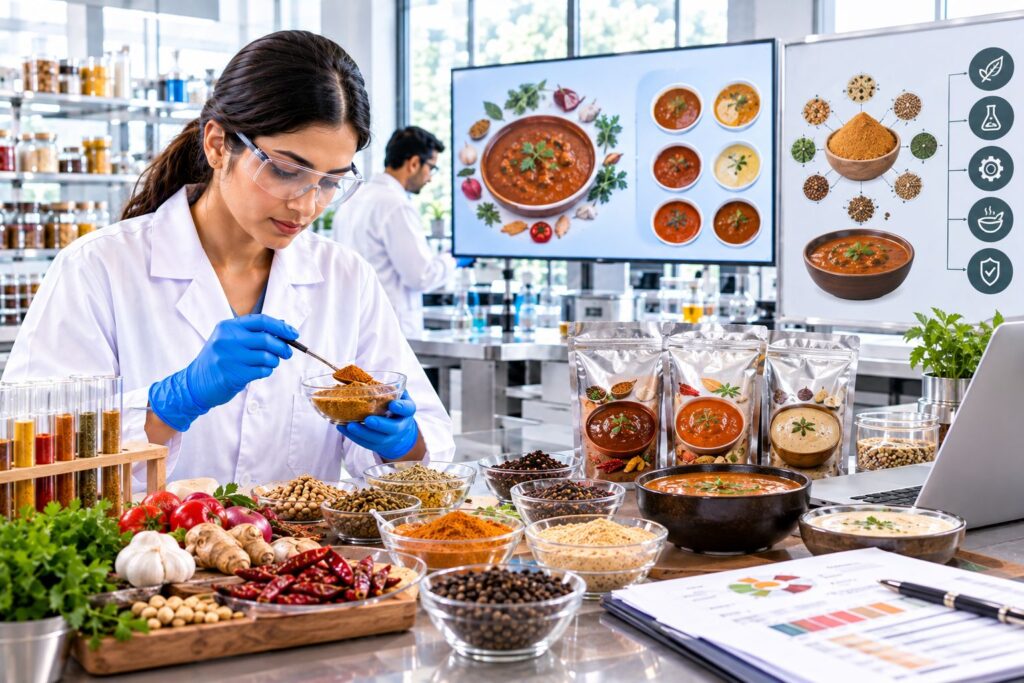
Food safety professionals conducting risk assessment, hazard analysis, and quality control in a modern food manufacturing facility.
FFCE

Guide for Handling Risks and Dangers in the Food Sector

Even small mistakes can result in recalls, fines from the government, or harm to consumers in the food industry, which is subject to strict safety and quality standards. Good risk and hazard management is essential for business, not just for compliance. Our specialty at Frontline Food Consultants and Engineers (FFCE) is assisting food manufacturers in putting systematic, scientifically supported risk mitigation strategies into practice. Products developed 0 + Years experience 0 + Countries served 0 + Clients served 0 + Crucial Points related to Risks and Dangers in the Production of Food 1. Biological Risks (Pathogens, Spoilage Microbes): Potential contamination by molds, Salmonella, E. Coli, or Listeria. Mitigation: HACCP-based controls (Critical Control Points for water activity management, pH control, and thermal processing). Programs for environmental monitoring (microbial air sampling, ATP swabs). Sanitation procedures (CIP systems, biofilm prevention) were validated. 2. Dangers to the body (foreign materials) Hazards include glass, broken plastic, stones, and metal shards. Mitigation: Metal detectors, optical sorting, and X-ray inspection. GMP implementation (no jewelry, controlled glass policy). audits of suppliers to ensure ingredient integrity. 3. Operational and Supply Chain Risks: Non-compliance by suppliers, power outages, and equipment failure. Mitigation: Schedules for preventive maintenance. Backup power to maintain the integrity of the cold chain. Blockchain-powered recall traceability. The Proactive Risk Management Framework of FFCE To protect food businesses, FFCE uses a four-step methodology: Hazard Analysis & Risk Ranking: Threats are ranked using Failure Mode & Effects Analysis, or FMEA. Implementing preventive controls in accordance with BRCGS, ISO 22000, FSMA, or SQF standards. IoT sensors for tracking temperature, humidity, and microbial load provide real-time monitoring and data analytics. Crisis preparedness techniques include quick root-cause analysis and mock recall exercises. The Reasons Reactive Measures Don’t Work End-product testing is used by many businesses, but it is a lagging indicator. To stop risks before they arise, FFCE promotes predictive analytics (AI-driven spoilage modeling, predictive microbiology). Conclusion Risk management is a culture, not a list of tasks. To create a robust, future-proof food safety system, collaborate with FFCE.
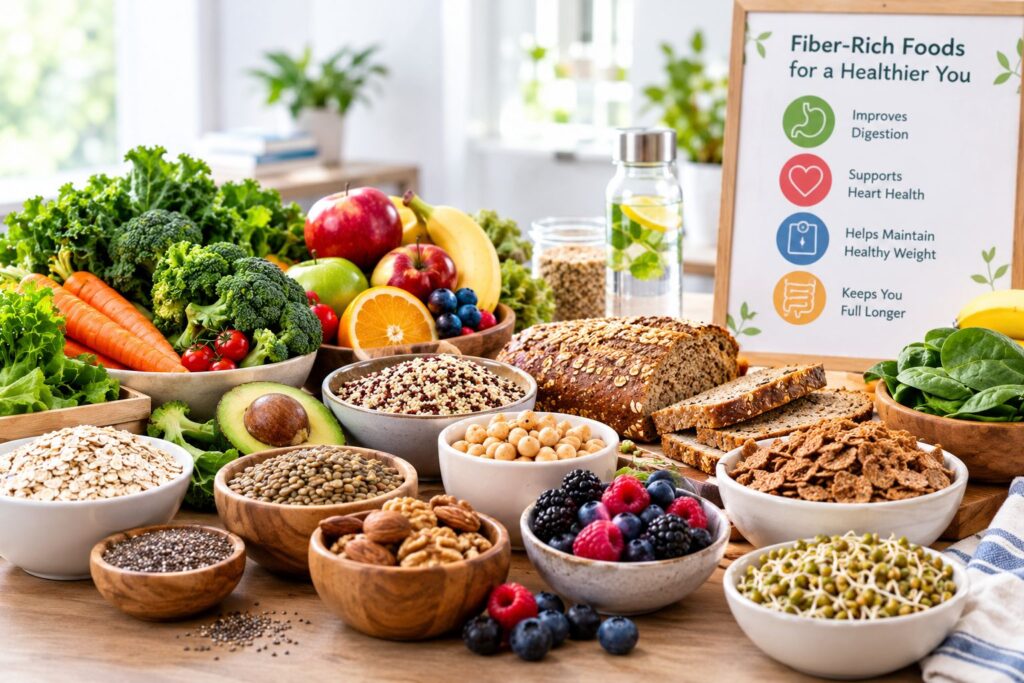

Assorted fiber-rich foods including fruits, vegetables, legumes, whole grains, nuts, and seeds arranged as part of a healthy balanced diet.
FFCE

Why Fiber-Enriched Foods Are Essential for a Healthy Diet

Fiber-rich foods encourage healthy weight control, enhance digestion, and reduce the risk factors for chronic diseases such as diabetes and heart diseases, and so are extremely healthy for the body. Most commonly, fiber choices can be as easy as replacing processed refined foods with whole grains, fruits, and vegetables in their diet. Food consultants can help people continue with a high-fiber diet while making reasonable, healthy choices. Introduction Fiber heavy foods are taking tremendous pace in the current health-aware world, and food consultants are working hard to promote fiber too. Such foods provide both soluble and insoluble fiber that can provide a wide range of health benefits – enhancing digestion, weight management and so on. Since fiber diets are increasingly sought after, it is useful to understand how they can contribute to our health. The Benefits of Fiber-Enriched Foods Fiber is best known as being beneficial for digestion. Fiber avoids constipation and maintains regular bowels. Diets with high fiber can even cut down the risk of developing certain chronic illnesses, including diabetes, heart disease, and some cancers. Soluble fiber-containing foods such as fruit, beans, and oats lower blood cholesterol. I Insoluble fiber, in whole grains and vegetables, keeps the gut healthy. Fiber is included in this general thrust for health because it aids in weight control. High-fiber foods will keep you full for a long period, and between meals or during meals will assist with portion control or snacking. So, utilized correctly, dietary fiber should assist, if not be required, in weight loss or weight control. Incorporating Fiber into Your Diet You must consume a well-balanced diet that includes diverse foods, high in dietary fiber. However, lots of food consultants say you just need to substitute your foods. For example, use whole wheat bread instead of white bread, add beans or lentils in soups and salads, or snack on fruits and vegetables in place of muffins or other snacks. Also, fiber can be added as fortified foods like cereals or fiber- fortified snack foods. The Role of Food Consultants in Promoting Fiber Food consultants are central to the process of getting people and companies to adopt high-fiber foods in their diets. They offer individualized dietary advice, suggest appropriate high-fiber substitutes, and assist food companies in developing products that will satisfy the increasing health needs of consumers. With their knowledge, their recommendations are not only healthy but also realistic and simple to implement. Conclusion Fiber-rich food is more than a fad; it is an essential part of a healthy way of life. Through partnerships with food consultants’ decision-makers and individuals alike can make educated decisions to fine-tune diets and enhance health in a complete manner. Whether to enhance digestion, control weight, or prevent disease, simply increasing fiber has tremendous personal advantage in enhancing health.

Food consultants developing vitamin-enriched food products with nutritional fortification, formulation testing, and quality analysis in a modern food laboratory.
FFCE

Vitamin-Enriched Food Consulting: Unlocking the Potential of Nutrient-Rich Foods

Food consultants who have experience in enriched foods with vitamins are of value to corporations in new product launches that send messages of required nutrients amidst an industry-regulatory context. They are of considerable value in putting vitamins into food to improve the health of people who purchase foods while keeping their relevance as the company or firm for which they consulted in a health-conscious situation. Introduction In the fast-paced world of today, individuals are becoming more health-conscious, and nutritionally fortified foods with vitamins are becoming popular among individuals who wish to improve their health and well-being. With the trend of added nutritional value for functional foods, vitamin-enrichment food consultants will play a key role in helping businesses with what and how to address the needs of health-conscious consumers. The Role of Vitamin-Enriched Food Consultants A vitamin-enriched food consultant is an individual who offers consultation to food product manufacturing companies, restaurants, or food companies specializing in health-related food products regarding how to formulate and incorporate vitamins into their products successfully. They offer information that will enable the food industry create products to satisfy consumer health requirements while keeping within industry regulations.Food consultants have extensive knowledge, including detailed knowledge of vitamins and minerals and their physiological impact on human health. They all guide businesses on the ways to create food products that are not only healthy but nutritious and tasty or rich in ingredients and vitamins A, C, D, E, and group of complex B vitamins. Food consultants are precious when companies wish to enhance the nutritional content of snacks, drinks, or meals and guide suitably on vitamins and vitamin uses to include in their products. Why Vitamin-Enriched Foods Are Important Foods that are fortified with vitamins provide many benefits, especially in today’s world where we have diets and food that offer very few of the nutrients that our bodies require. Vitamins play many major roles in body functions ranging from immune systems to bones to energy production, and for skin appearance. Busy lifestyles, unbalanced diets, and food processing are primary fuel sources leading to diets lacking in vitamins. Fortified foods are a food solution to address this issue. For example, adding vitamin D to milk or B vitamins to cereal can obtain remarkable improvements to the consumer’s dietary vitamin intake. The food may be minimally affected with respect to taste and quality, however, input from experts is vital in the fortification of vitamins. The Importance of Expert Guidance Knowledge of the chemistry of food development requires experience, particularly when manipulating the fine chemistry of vitamins and minerals. A vitamin food consultant is present to ensure the fortification will not only be safe but also effective. The consultant also provides label claims, nutritional analysis, and compliance with federal and state laws as well as regulations from other countries. These consultants are also aware of the recent studies, trends, and consumer insights, which allows them to share useful product development strategies in ensuring the continuing rivalry in the developing marketplace.

Food consultants developing omega-3 enriched food products using flaxseeds, chia seeds, walnuts, and functional ingredients in a modern food formulation laboratory.
FFCE

Unlocking the Power of Omega-3: Food Formulation Consulting Services by Expert Food Consultants

The modern health-conscious market is prospering with Omega-3 enriched food items. Consult with our food consulting service to assist your brand in designing stable and regulatory-compliant innovative Omega-3 products. Collaborate with a food consultant professional to maximize nutrition and product attractiveness. Introduction In the current health-savvy marketplace, Omega-3 fatty acids are more than just a trend; they are an optimal nutrient that consumers actively pursue. From snacks that are fortified to beverages that are functional, Omega-3 can be used to increase the marketability and health benefits of existing food products. This is where an experienced food consultant that specializes in formulating Omega-3 food products is important. As an experienced food consultant, Frontline Food Consultants and Engineers are familiar with the challenges and opportunities in developing an Omega-3 enhanced product. Whether you are developing a new health food brand or modifying an existing product, our Omega-3 food consulting services are designed to help you differentiate yourself in a crowded marketplace. Products developed 0 + Years experience 0 + Countries served 0 + Clients served 0 + Why Omega-3 in Food Products? Omega-3s—especially, EPA and DHA—support heart, brain, and joint well-being. As demand for clean-label, functional, and wellness-oriented foods grows, firms are adding Omega-3 fortifications to attract consumer attention. From cakes to plant-based milk, this particular food advisory can help you make the optimal decision for Omega-3 sources, fish oil, algal oil, avocado or flaxseed, in accordance with your brand image and target group. Expert Formulation. Lasting Impact. Integrating Omega-3s into a recipe for a food product is greater than just introducing an ingredient; there are aspects that relate to stability, bioavailability, flavor masking, and regulatory factors. Being food formulation advisors, we are able to provide science-led solutions to allow your products to be delicious in such a way that they provide nutritional effectiveness. What Our Omega-3 Food Consulting Services Include: Ingredient optimization and sourcing Product concept development Sensory evaluation and flavor masking techniques Nutritional labeling and regulatory compliance (FDA, EFSA, etc.) Shelf-life and oxidative stability solutions Partner With a Trusted Food Consultant We collaborate with startups as well as well-established brands to bring innovative Omega-3 enriched products to market rapidly, economically and efficiently. If you wish to create food products that not only provide great taste, but real health benefits, our knowledge of Omega-3 food formulations guarantees you success. Are you ready to enhance your food brand with Omega-3 innovation? Please contact us today to learn more about our dedicated food consulting services, and elevate your product development.  

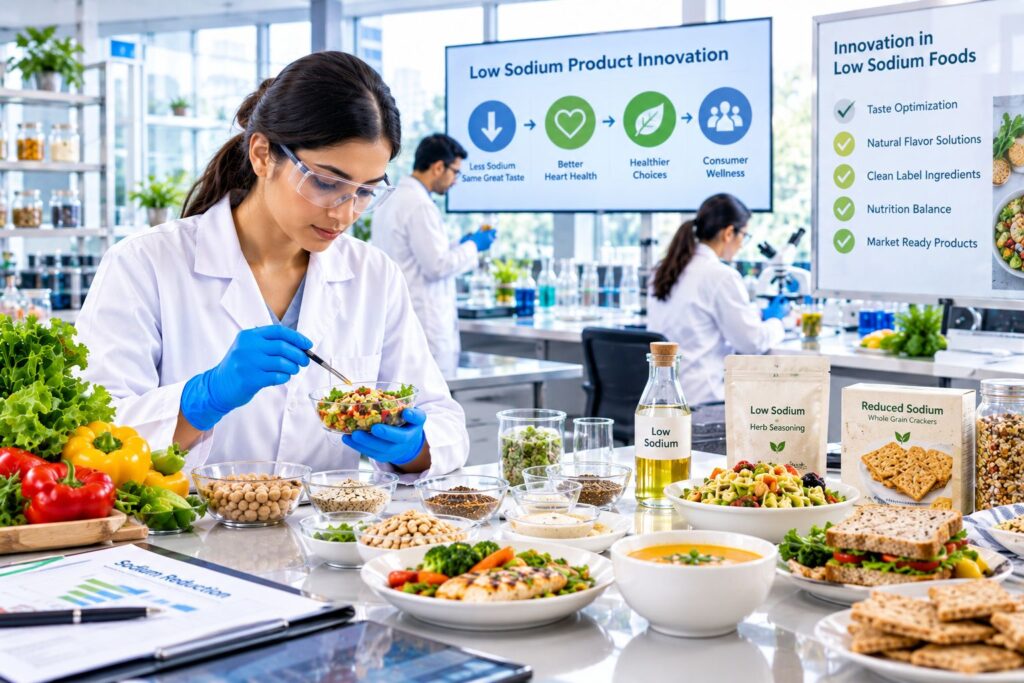
Food consultants developing low-sodium food products through formulation testing, flavor optimization, and nutritional analysis in a modern food innovation laboratory.
FFCE

Best F&B Consultants for Low Sodium Products: Your Guide to Health-Conscious Innovation

Low-sodium solutions are gaining immense popularity in the recent times, and a good F&B consultant can assist the budding brands in leading and paving  a way in this direction without jeopardising flavour and quality. Leveraging their skill set in sodium reduction, clean label solutions, and regulatory strategies, food consultants deliver tailored support from inception through launch. Meeting with a good consultant to assist you with your healthy products and ideas will serve to ensure your nutritional and business success. Introduction The increasing demand for healthier foods translates to low sodium products beginning to fly off the shelves in the food and beverage (F&B) industry. As an established food brand or food manufacturer, whether a startup or reformulating brand, your best choice is to get the best F&B consultants with expertise in low sodium innovation. Products developed 0 + Years experience 0 + Countries served 0 + Clients served 0 + Why Go Low Sodium? Health-conscious consumers are increasingly becoming the norm. Excessive sodium is associated with hypertension, heart disease, stroke–naturally putting pressure on brands to offer low-or-no-sodium versions. But it is a challenging technical issue to create a low-sodium version that remains palatable and shelf-stable. Professional food consultants can help. What F&B Consultants Bring to the Table Food consultants with optimal credentials, and greatest experience, integrate culinary knowledge, food science, and regulatory intelligence in a strategic manner to take your food company to unprecedented heights. When you’re reformulating an existing product, or launching a new line of low-sodium offerings, food consultants come alongside to strengthen your food journey: Reduce sodium while keeping the flavor and texture Identify alternatives for sodium using natural and clean-label options Follow FDA or international labeling requirements Improve shelf life, ingredient purchasing, and cost of good Test products with real consumers to ensure success in the marketplace As consumer expectations go up, working with food and beverage consultants that specialize in low-sodium products will ensure that your food and beverage innovations will be healthy and commercially viable. Choosing the Right Food Consultant Not every food consultant is the same. Look for professionals or firms that specialize in sodium reduction and have performance history in the broad spectrum of food categories—soups, sauces, snacks, ready meals, etc. Top food and beverage consultants will provide: Tailored R&D support from ideation to launch Experience with plant-based, heart-healthy, and functional food creation Access to sensory testing labs and culinary innovation centres Knowledge of emerging health trends and clean-label demands Final Thoughts: Innovation Meets Responsibility Consumers do not want to give up taste–especially when considering healthier food. The best F&B consultants for low sodium products understand the importance of this balance and create it in every recipe. If you feel ready to take your brand in a healthier direction, you will greatly benefit from investing in food consulting specialists.

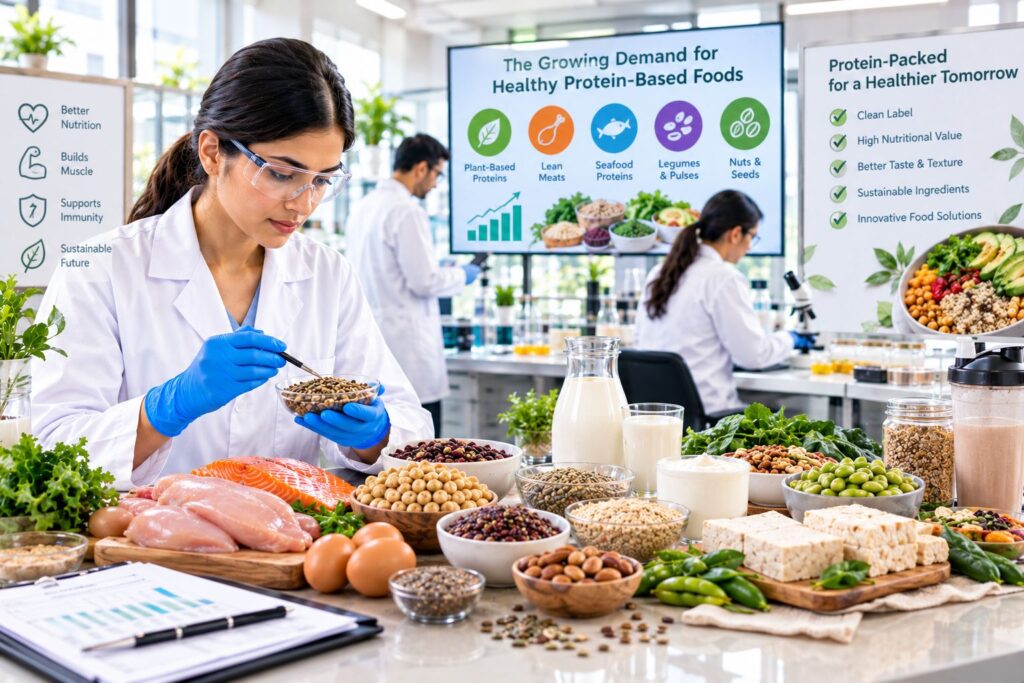
Healthy protein-rich foods including legumes, dairy products, nuts, seeds, plant-based proteins, and functional snacks displayed for modern nutrition and wellness.
FFCE

The Growing Demand for Healthy, Protein-Based Foods By Frontline Food Consultants and Engineers

The global food industry is experiencing a significant shift, largely fuelled by a growing consumer focus on health and wellness. At the heart of this transformation is the increasing demand for protein-rich foods. Once primarily linked to athletes and bodybuilders, protein has now become a daily essential for individuals of all ages and lifestyles. As more people recognize the importance of balanced diets, they are on the lookout for products that promote muscle health, enhance satiety, and contribute to overall well-being. Products developed 0 + Years experience 0 + Countries served 0 + Clients served 0 + What’s particularly fascinating about this shift is that it transcends traditional eating patterns. Protein isn’t just something people seek in meat, eggs, or dairy anymore. With rising concerns about sustainability, ethical sourcing, and dietary restrictions, there has been a notable surge in the popularity of plant-based and alternative proteins. Ingredients like soy, pea, lentil, chickpea, and quinoa are now making their way into mainstream food categories, providing consumers with options to fulfil their protein needs without sacrificing their values or health goals. This increasing demand has sparked rapid innovation in the food industry. High-protein snacks, fortified beverages, plant-based meat alternatives, and protein-enhanced meal replacements are just a few examples of how brands are evolving to meet modern expectations. However, creating these products is no easy feat. Working with proteins—especially those derived from plant or novel sources—often comes with challenges related to flavour, texture, solubility, and shelf life. Consumers are looking for clean-label products that are not only nutritious but also enjoyable to eat. Striking the right balance between these demands requires a careful mix of food science, ingredient expertise, and technical skill. At Frontline Food Consultants and Engineers, we pride ourselves on helping food companies confidently navigate this growing demand. Our focus is on transforming ideas into high-quality, protein-based products that align with consumer preferences and meet regulatory standards. Whether you’re rolling out a new plant-based drink, enhancing a classic recipe with extra nutrition, or diving into the world of functional protein blends, we provide comprehensive technical support tailored to your project’s unique goals. Our team combines extensive knowledge in formulation, process development, sensory analysis, and food safety. But we don’t stop there; we also have a keen understanding of the market. Today’s consumers aren’t just after “high protein” labels; they want products that taste great, feature clear ingredient lists, and fit into their overall lifestyle choices. That’s why we balance functionality with appeal, ensuring the final product is one that people will keep coming back to. The rising demand for protein-rich foods isn’t just a fleeting trend—its part of a significant shift in how we think about food and health. It reflects a growing appetite for more nutritious, sustainable, and mindful eating. For businesses in the food sector, this transformation presents incredible opportunities. With the right insights, innovation, and execution, brands can not only satisfy consumer demands but also establish a strong, enduring presence in the market. At Frontline, we take pride in being part of that journey. If your next objective is to launch or enhance a protein-based product, we’re here to help you succeed, from the initial concept to commercialization.  

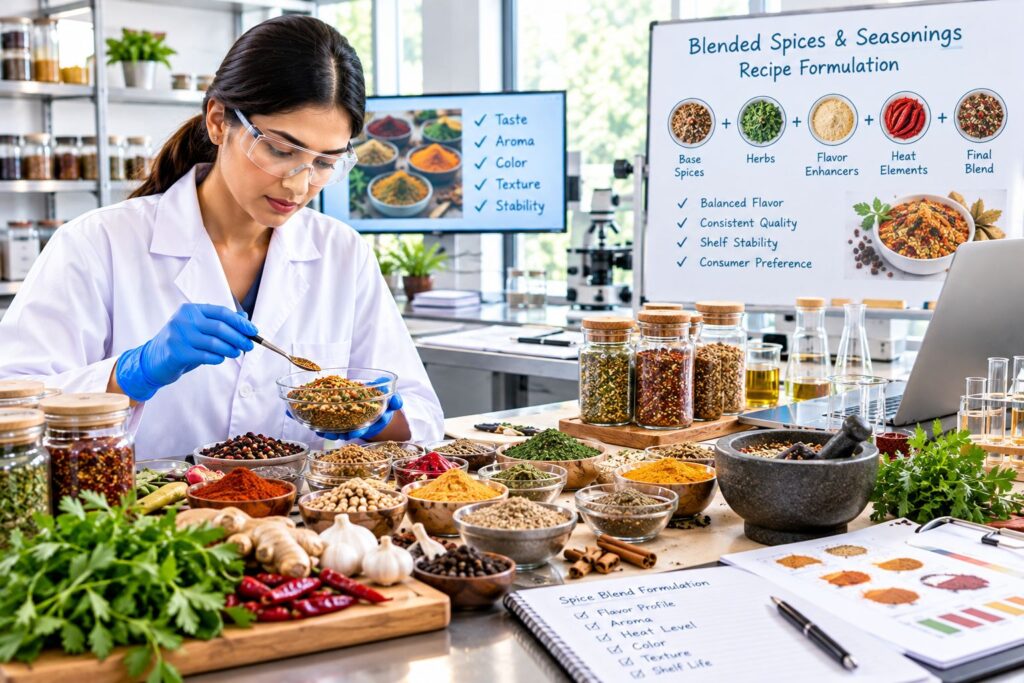
Food consultants developing blended spices and seasoning recipes using herbs, spices, flavor testing, and formulation techniques in a modern food laboratory.
FFCE

Blended Spices and Seasoning Recipe Formulation: Inside the Mind of a Food Consultant

Seasoning and spice blends are paramount to flavor development. This vertical seldom requires interventions under the close supervision of food consultants who consider far more than flavor profiling, including ingredient functionality, and market requirements. From the use of smokiness in spice blends to clean-label necessity, it truly is a science and an art to develop spice mixes and seasoning compositios. Yet these blends are crafted by food consultants using(sometimes) found flavor ingredients via test and iteration to formulate a flavor experience to sell Introduction Blended seasonings and spice recipe creations are among the prime movers of taste preference in flavor innovation. Whether barbecue rubs or blended offerings that feature a globalized combination of flavor profiles, food consultants are the unsung geniuses behind the enticing flavor profiles you savor in retail snacks, gourmet sauces and prepared meals. But what goes into creating a spice blend? It begins with flavor profiling, the determination of the leading, supporting and bridging flavors, so that it is possible to produce balance and complexity. Ingredient functionality is the second area of consideration; all ingredients are not simply as flavor, but can also impart colour, shelf-life, or mouthfeel. Food consultants have an expansive vocabulary of food terms, like “umami enhancers,” “smoky notes,” “citrus-forward,” or “earthy depth.” You can think of these labels as purposely chosen colours on an artist’s palette that lead to a final work when the ingredients are combined as harmonious notes of a song and likewise. Imagine developing a bold Middle Eastern rub using cumin, coriander, smoked paprika, and garlic these spices each have a voice, and therein lies the art. Another consideration is the target market. Are you developing snacks for keto, burgers for vegan, or entrée Kilbang for gluten-sensitive patrons? Each application will inform limitations of the formulation and define the vocabulary of the development process – clean label, allergen management, and cost management in mind. Food consultants will leverage knowledge of spice solubility, heat stability, and availability of sodium alternatives to navigate these challenges. Some trending spice blend types include: World Fusion Blends (Korean BBQ + Mexican chili, spanish seasonings, greek and turkish sumak blends) Functional Seasonings (with turmeric, adaptogens, etc.) Low-Sodium or Sugar-Free Blends Smoked or Fermented Spice Blends Customized Spices for Plant-Based Meat The pilot batch test, sensory analysis, and consumer validation are the final stages of transitioning ideas into market-ready products. Changes to the texture, aroma intensity, or overall appearance frequently result in a reformulation, which demonstrates the iterative nature of the food development process. Conclusion Whether you’re a startup developing your first spice blend or a food brand working to refine your spice system, the magic of flavor lies in both creativity and precision. Food consultants combine culinary art with technical knowledge with the objective of transforming spices into flavor masterpieces; Understanding the language and layers of creating seasoning blends can ignite the possibilities for innovation and product success in an overstimulated industry.

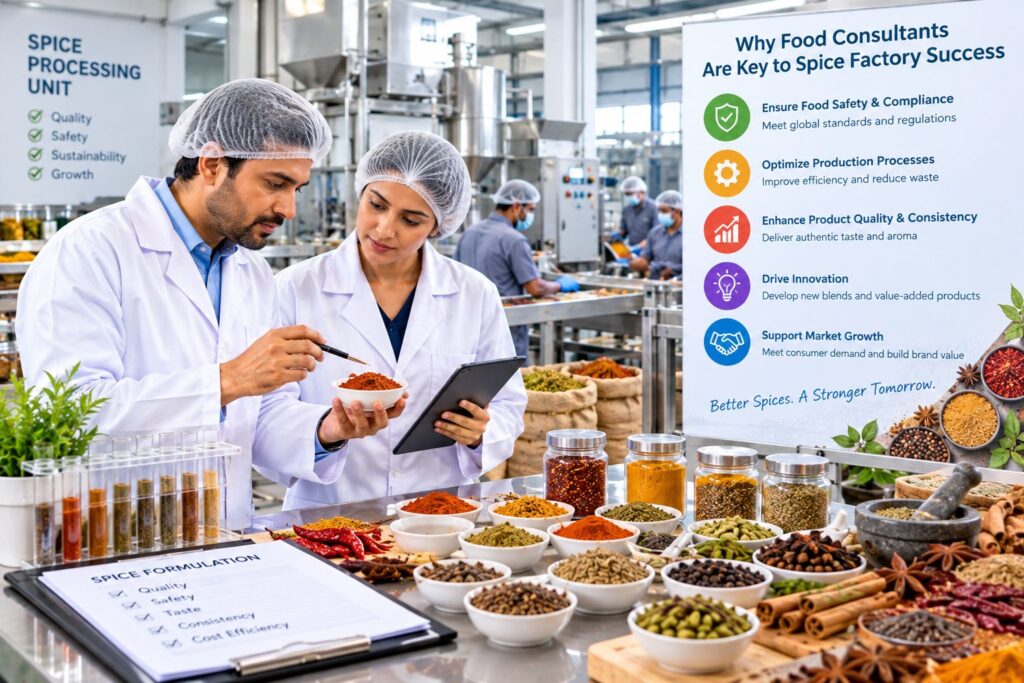
Food consultants and spice factory professionals overseeing spice blending, quality control, production optimization, and food safety processes in a modern manufacturing facility.
FFCE

Setting Up a Spice Factory: Why Food Consultants Are Essential for Success

Setting up a spice factory entails intricate systems and compliance alongside rigorous regulations. Food consultants offer specialist advice on planning, compliance, procurement of equipment, and quality control. Even if you establish your factory and sources yourself, food consultants can offer professional guidance to make operations efficient, accelerate profitability, and provide long-term sustainability. Investing in expertise through food consultants is a wise and useful step towards creating a strong and competitive spice brand. This will not only boost the production process, but will ensure smoother operations in the long run. Introduction Spices are coveted globally, and hence the spice factory business is a good bet. Yet, operating a spice factory requires more than purchasing raw materials and machinery; it involves understanding food safety and regulatory norms and production systems. Thus, food consultants like Frontline Food Consultants and Engineers (FFCE) are helpful in these areas. Products developed 0 + Years experience 0 + Countries served 0 + Clients served 0 + Understanding the Spice Manufacturing Process A spice factory generally will also use processes of cleaning, drying, grinding, blending and finally packaging each separately. Each of these processes has strict hygiene standards to ensure product safety and product consistency. There are a multitude of things to consider when designing a spice factory, from machinery selection to workflow layout, all these design choices will affect the quality of the finished product. Why Food Consultants Are a Game-Changer Project Planning: Food consultants assist you with clearly defined business objectives, budgets and a realistic timelines for establishing your factory. Regulatory Compliance: Food safety legislation can be complicated. Food consultants ensure the facility meets FSSAI, HACCP, ISO, GMP and official requirements in either the national or international marketplace. Factory Layout Design: Proper layout design is essential for efficient and effective operation and reducing costs. When designing your facility, food consultants prepare layouts to reduce cross contamination and optimize production. Equipment Selection: Consultants will draw on their knowledge of the market to make recommendations on what equipment best suits the dynamics of your market scale and product mix so that you can make the most of your investment. Quality Control Systems: Consultants can assist you in creating a robust QA/QC system that addresses everything from raw materials inspection to in process and follow-up product tests to keep products consistent. Training and Staffing: Food consultants can also assist with implementing staff training programs to ensure hygiene and safety protocol are being practiced. The Competitive Advantage Expertise from food consultants will minimize set-up mistakes, prevent costly delays, and bring quality products to market sooner. Their perspective not only improves compliance and efficiency but also provides a competitive advantage in a crowded marketplace. Conclusion Establishing a spice factory is a potentially difficult, but gratifying task. Utilizing professional food consultants facilitates the task, allows compliance with the numerous rules controlling food manufacturing, and helps you create a solid base for future success. Whether you are a start-up or growing your current food business, spending money on food consultants to assist in your mission to create a successful spice brand is a sound investment in establishing a viable and profitable brand for the future.

Food consultants developing prebiotic flavored sodas using natural ingredients, prebiotic fibers, carbonation testing, and beverage formulation techniques in a modern laboratory.
FFCE

Reviving Prebiotic Flavoured Sodas: The Role of Food Consultants in Modern Beverage Innovation

Prebiotic flavored sodas are returning to the market as consumers are looking for clean-label and natural products. However, the development, scale-up, and compliance for these products can pose challenges in the areas of formulation, sourcing, and compliance. Food consultants can provide the expertise needed to navigate the challenges to bring true, healthy sodas to market. Introduction The beverage industry is witnessing a retro trend with old-fashioned flavored sodas that were present prior to the use of biotechnology ingredients. The clean-label trend, devoid of GMOs (genetically modified organisms) and artificial additives, makes old-fashioned flavored sodas a healthy option with a unique flavor for health-conscious consumers. Still, bringing those sodas back to life and upscaling them in the modern regulatory and competitive environment can be tricky even for the most skilled operations. Here’s where food consultants add value. Products developed 0 + Years experience 0 + Countries served 0 + Clients served 0 + What is Prebiotic Flavoured Sodas? Prebiotic sodas are beverages that are made using fiber and created from authentic ingredients and. These beverages typically derive flavor from plant extracts, fruits infusions, and natural fermentation that give fizz as well. Due to the presence of natural fibers, these drinks enhance the gut microflora and serve as food for the good microbiome. They usually do not contain high-fructose corn syrup, artificial additives, or preservatives based on the principals of the clean-label movement. Challenges in Developing Prebiotic Sodas The market for Prebiotic flavoured sodas is growing and comes with unique challenges when they are made. Even though you are working towards natural integrity and sourcing of dietary fibers that are naturally derived, there is a need to also make sure that there is shelf stability and flavour consistency, while being food regulation compliant. Food consultants come in handy here, providing invaluable guidance to food brands that will see them navigate these hurdles and make quality, clean-label sodas. How Food Consultants Add Value Product Development: Food consultants work with clients who have traditional recipes but want to adjust them to be more appealing to today’s consumer without compromising authenticity. Consultants will make sure that the natural sweetness, acidity and carbonation levels are balanced. Ingredient Sourcing: It is difficult to locate verified, non-GMO and organic manufacturers. Consultants work with a network of trusted suppliers to guarantee that the sourcing is both clean and ethical. Regulatory Guidance: There are many aspects to food labeling laws ranging from label claims that indicate something as “all-natural,” to actual clean-label certifications. Consultants guide clients through these complicated systems and ensure that they are compliant with either FSSAI, FDA, or EU standards Safety & Shelf Life: Natural sodas, however, may have a shorter shelf life than other beverages. Consultants that specialize in food science can recommend safe preservation options that meet clean-label expectations, such as cold-fill or pasteurization. Brand Story: Consultants also help with brand story and marketing plan on the natural and ongoing nostalgic identity of the soda, and the ability to strategically differentiate itself from the rest in the beverage marketplace. Conclusion As consumer demand for healthier, authentic beverages increases, Prebiotic flavored sodas are ready for a resurgence. However, transforming a great idea into a scalable product takes support from experts. Food consultants offer the technical knowledge regarding ingredient functionality, sourcing connections, and regulatory framework to basically develop, scale, and market natural sodas. Particularly for beverage start-ups or established brands looking to innovate, finding a food consultant would be a strategic move toward innovation, and ultimately sustainability in the marketplace.

Food consultants formulating premix gravy powder using spices, seasonings, ingredient testing, and quality evaluation in a modern food development laboratory.
FFCE

Unlocking the Secrets of Premix Gravy Powder Formulation: A Guide to Food Consultancy

Premixed gravy powders offer both convenience and consistency in food preparation. Food consultants can create the bespoke, scaled, clean-label recipes. Their input provides additional value to the recipe, on taste, texture and shelf-life. Introduction As the food industry continues to evolve at lightning speed, premix gravy powders will be integral for consistency, convenience, and controllability. As food consultants who understand the science and strategy behind gravy premix formulations, it can offer best-in-practice advice to restaurants, food manufacturers and QSR brands. Products developed 0 + Years experience 0 + Countries served 0 + Clients served 0 + What is Premix Gravy Powder? Gravy premix powder is a dry mixture of ingredients that, when formulated into a wet mixture, provides a uniform texture and flavor. Gravy premix is widely used in commercial food service and packaged foods where the company has decided they can save preparation time and produce a uniform flavor. Key Components of a Gravy Premix: Base Ingredients: these ingredients give the characteristic viscosity to the final product. Thickening ingredients are wheat flour, corn starch, maltodextrin, etc. Flavorings: The basic flavor components used in such formulations are dehydrated onion, garlic, tomato powder, and meat extracts. Spices & Seasonings: It is all a collection of spices and herbs, plus salt, pepper, and umami in the form of monosodium glutamate (MSG) or yeast extract. Stabilizers & Emulsifiers: These are the ingredients that assist in texture and mouthfeel maintenance during reconstitution. Preservatives: Citric acid or sodium benzoate are additives that enhance shelf life without posing any risk to food safety Role of Food Consultants: Customization is key. Spice blends should be customized to sampling region. North Indian gravy may not suit a South Indian palate. Clean-label demand is growing. Recommend natural thickeners and preservatives to address clean-label trends. Focus on solubility and consistency. Powder should dissolve in water and not form lumps. Shelf-life testing is essential. Moisture resistance and microbial stability will give a longer shelf way. Conclusion Food consultants can help with gravy powder formulation to provide creativity in food service and product development. By helping brands with knowledge to create gravy solutions for consumers that are consistent, scalable, and enjoyable for consumers.

Scroll to Top

Your Trusted Food-Tech Partner Simplifying Solutions, Maximising Success

    Your idea is 100% protected by our Non Disclosure Agreement

    What is Refresh icon

    Your Trusted Food-Tech Partner Simplifying Solutions, Maximising Success

      Your idea is 100% protected by our Non Disclosure Agreement

      What is Refresh icon

      Your Trusted Food-Tech Partner Simplifying Solutions, Maximising Success

        Your idea is 100% protected by our Non Disclosure Agreement

        What is Refresh icon

        Powering your food business forward