FFCE

Now Hiring: Are you a driven and motivated 1st Line Food Technologist?

FFCE

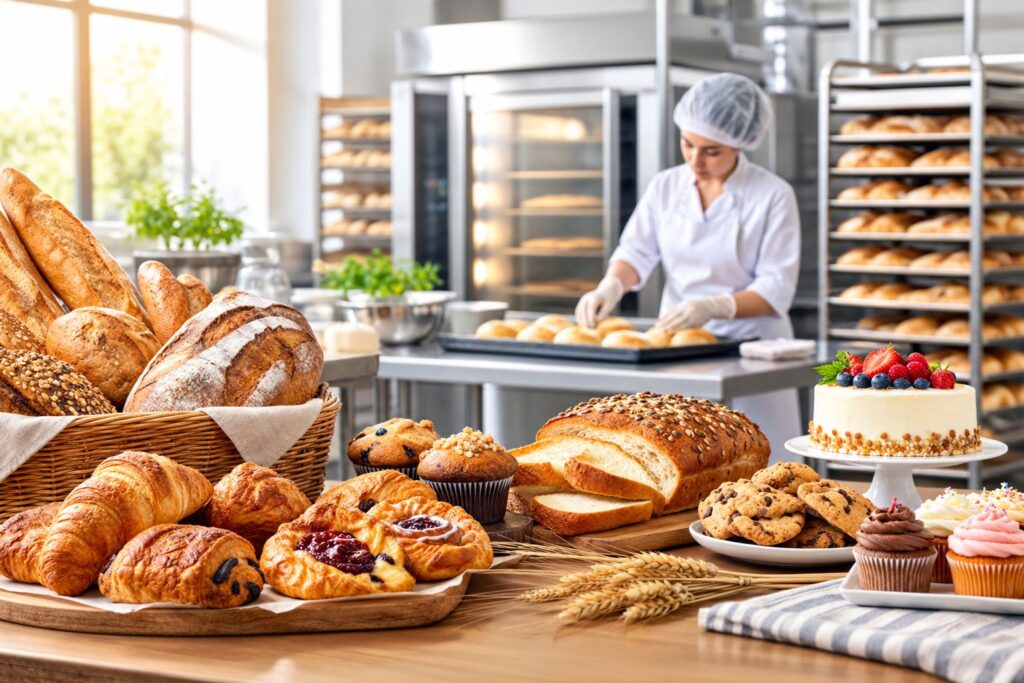
Indian bakery market trends featuring breads, pastries, croissants, muffins and cakes
FFCE

The Indian Bakery Market: Evolution of Bakery Products

Bakery in India has moved far beyond the neighbourhood bun shop. Over the past three decades the category has evolved from commodity breads and biscuits to a multi-segment industry that spans industrial breads, packaged biscuits, premium patisserie, frozen par-bake/ready-to-bake (RTB) systems, and functional / ethnic bakery innovations. For entrepreneurs, retailers and co-packers this evolution creates technical challenges and commercial opportunities — and a clear place for specialist food consultants to add value. Following is a brief, technically precise overview of how the Indian bakery landscape has evolved, what is propelling product development, production and process implications you should be aware of, market trends, and how food consultants (e.g., FFCE-type companies) assist companies at each step. Historical path — from small local to industrial and premium Pre-1990s: Small local bakeries, traditional breads (naan, pav), minimal mechanization. 1990s–2000s: Inclusion of organized players (modern retail, packaged bread franchises), industrial scale-up (continuous ovens, automatic dough systems). 2010s onwards: Premiumization — artisanal bakeries, patisseries, fusion products, and expansion of frozen/RTB supply chains to serve QSRs and hotels. Today: A multi-channel industry — retail FMCG breads & biscuits, direct-to-consumer premium patisserie, foodservice frozen par-bakes, and health-/functional bakery. Market shape & opportunity (high-level) The bakery & biscuits business is India’s largest snacking FMCG category. Instead of one number (which, depending on source/time, can differ), see market size in layers: Mass-market packaged buns & breads (staple, high volume, low margin). Biscuits & crackers (large, branded FMCG category). Frozen/RTB & industrial bakery ingredients (increasing rapidly because of QSRs, hotels). Premium patisseries & artisan (urban focus, higher margin) Factors contributing to growth: urbanisation, working families, modern retailers, online grocery, QSR growth, improvements to cold chain & freezing, and health/functional positioning (multigrain, low sugar, high protein). Practical context for the B2B plan: the first consideration — are you selling volume (packaged biscuits / bread) or selling value (premium patisserie, frozen par-bake) or a niche (keto, gluten free, functional). Each option will determine different capex, QC and distribution. Technical issues — raw materials, formulation and process A. Raw materials & functionality Choice and quality of flour: Improvers and enzymes comprise emulsifiers (e.g., DATEM, SSL) which enhance both freezer stability and crumb softness, oxidizing agents (e.g., ascorbic acid) which enhance dough strength, and amylases, which retard staling in bread. Fats & shortenings: Selectively choosing will affect aeration, mouthfeel and shelf life. Interestified fats and palm fractions are employed as substitutes for hydrogenated fats (trans-fat regulation). Water quality & salt: Water hardness influences dough rheology; manage mineral load. Salt influences yeast activity, protein strengthening and flavor. Functional ingredients: Proteins (WPI, soy), fibres (inulin), seeds, fruit inclusions require formulation adaptation for water, dough stability and shelf life. B. Process technologies Mixing: Spiral and planetary mixers for artisan to small industrial; continuous mixers (dough mixers with dosing) for large-volume lines. Temperature control and dough development are important. Fermentation/Proofing: Temperature/time control (retardation for flavour); automatic proofers with humidity control to ensure uniform oven spring. Forming & Laminating: Rotary moulder, wire-cut, sheeting and lamination (for croissants/puff) — strict control of fat distribution, gluten network and lamination temperature. Baking: Tunnel/retard ovens, rotary rack ovens, and deck ovens for various products. Thermal profiles influence crust colour, Maillard reactions and moisture gradients. Cooling & Slicing: Controlled, rapid cooling minimizes condensation and microbial hazard. Slicing lines for packaged bread introduce contamination risks — hygiene & metal detection required. Freezing / Par-bake: IQF or spiral freezers for items to frozen supply chain; par-bake tactics (60-80% baking, finish on retail) enable large-scale distribution. C. Shelf life and packaging Bread and other high-moisture baked goods have a longer shelf life because to modified atmosphere packaging (MAP). Barrier films and nitrogen flushing preserve crisp items (crackers). Antistaling tactics: Enzyme systems, moisture management, packaging permeability engineering. D. Quality & analytical controls Dough rheology (Farinograph, Extensograph) for upstream QC. Moisture & aw for shelf life. Sensory & texture equipment (texture analyzers for firmness of crumb, shear). Microbiological controls: Particularly on cream fillings, custard, cake production and slicing lines. HACCP critical control points: proofing, cream filling, cooling, storage. New products & technical advancements Frozen retail and par-bake ranges (This includes retailers like grocery stores & QSRs): muffins, croissants, artisan loaves — focuses on freezer-grade formulation & proofing profiles. Functional bakery: Protein-bread, fiber/prebiotic breads, low-GI/millet breads — formulation is related to enzyme packages, shelf-life modeling, and compatibility between protein and wheat. Ready-to-heat / in-home bake: RTB dough balls, frozen parathes, instant pizza bases — require strong dough formulas to withstand cold chain. Technical enablers Controlled atmosphere retarding and programmable proofers for schedule and flavour flexibility. Automated dosing & inline mixing for repeatable micro-ingredient addition (improvers, enzymes). Advanced freezers (spiral/IQF) and precise thaw/bake finish control for par-bake.  Adoption of predictive shelf-life modelling (Arrhenius, moisture sorption) to minimize trial cycles. Manufacturing scales & CAPEX considerations Micro / artisan bakery: low capex (₹5–40 L), manual/bench top mixers, deck ovens — quality and innovation focus. Semi-industrial (retail-supplier): (₹40 L – ₹3 Cr) pack lines, continuous mixers, spiral ovens — formal QA/QC labs required. Industrial & co-packers: (₹3 Cr +) automatic dough lines, proofers, wrappers, frozen lines — high automation for efficiency and cost control. (Exact CAPEX widely varies; consultants operate DPRs and vendor quotes to generate accurate budgets.) Market trends, distribution & consumer shifts Modern trade + e-commerce expand base for premium SKUs and frozen lines. Small-pack penetration in semi-urban/rural markets drive volumes for biscuits & small bread packs. Foodservice/QSR growth generate strong B2B demand for frozen par-bakes, burger buns and pizza bases. Health & wellness: Protein breads for fitness segment; sugar-reduced bakery for diabetic awareness. Regulatory & safety FSSAI guidelines for declaration of allergies, use of additives (emulsifiers, leavening), and labeling (nutrition panels). Regulations governing trans fats: reformulation to eliminate partly hydrogenated fats; use of authorized substitutes; and disclosure. HACCP / FSMS / GMP: for larger plants and export supply chains. Role of food consultants (technical & commercial worth) Food consultants speed up time-to-market, minimize technical risk and maximize production economics. Common consultancy activities involve: A. Concept → Product development Ingredient choice
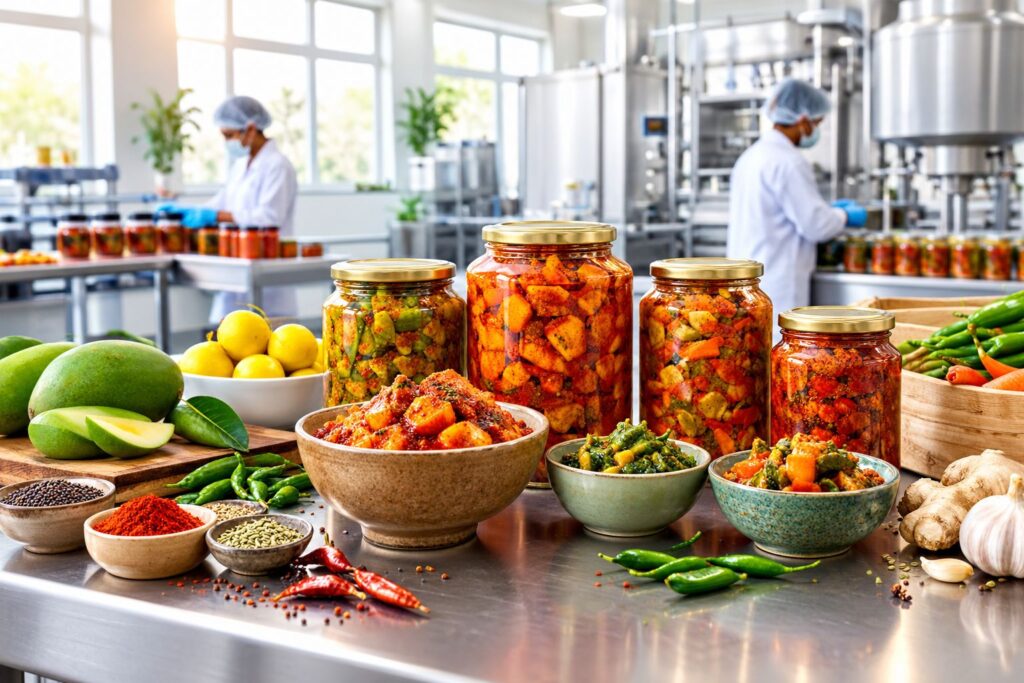
Indian pickle market featuring assorted pickles, spices, mangoes, lemons and modern pickle production
FFCE

The Future of the Pickles Market in India

Pickles have been a part of Indian cuisine for centuries. These tangy and spicy condiments are loved across the country and are a staple in many households. But the pickle market in India is not just about tradition; it is also a growing industry with significant potential. In this blog, we will explore the future of the pickles market in India, focusing on the factors driving its growth and what lies ahead. Understanding the Pickles Market in India The pickles market in India is diverse, with a wide range of flavors and varieties. Pickles are made from fruits, vegetables, and even meats, preserved in oil, vinegar, or brine, and flavored with spices. Each region in India has its unique pickle recipes, reflecting local tastes and ingredients. Pickles are not just popular in India; they also have a growing market abroad, particularly among the Indian diaspora. This popularity has led to a thriving pickles industry, with both small-scale producers and large companies contributing to the market. The Current State of the Pickles Market As of 2023, the pickles market in India is valued at approximately INR 6,500 crores. The market has been growing steadily, driven by increasing demand from both domestic and international consumers. The rise of e-commerce and the availability of pickles in packaged forms have also contributed to this growth. Key Factors Driving Growth in the Pickles Market Several factors are driving the growth of the pickles market in India. Let’s explore these factors in detail: Rising Demand for Traditional Foods There is a growing trend among consumers to return to traditional foods. Pickles, being an integral part of Indian cuisine, have benefited from this trend. Consumers are increasingly looking for authentic, traditional flavors, and pickles fit perfectly into this demand. Health Consciousness With the rise in health consciousness, many consumers are seeking out natural and preservative-free foods. Pickles, especially those made using traditional methods, are often perceived as healthier options. They are rich in probiotics, which are beneficial for gut health, and contain natural preservatives like oil and salt. Expansion of Organized Retail The expansion of organized retail in India has made pickles more accessible to consumers. Supermarkets and hypermarkets now stock a wide range of pickle brands, making it easier for consumers to purchase their favorite varieties. This has also provided a platform for smaller, regional brands to reach a wider audience. Growth of E-commerce E-commerce has played a significant role in the growth of the pickles market. Online platforms allow consumers to purchase pickles from the comfort of their homes, and they also offer a wider variety of options compared to traditional retail. This convenience has attracted more consumers to buy pickles online, boosting sales. Increasing Demand from the Indian Diaspora The Indian diaspora, spread across the globe, has a strong demand for traditional Indian foods, including pickles. This demand has led to an increase in the export of pickles from India, contributing to the growth of the market. Indian pickle brands are now available in many countries, catering to the taste preferences of the diaspora. Innovation in Pickle Varieties The pickles market is no longer limited to traditional flavors. There has been a surge in innovation, with manufacturers introducing new and unique pickle varieties to cater to changing consumer preferences. These include low-salt pickles, oil-free pickles, and pickles made from exotic fruits and vegetables. Such innovations are attracting health-conscious consumers and those looking for new taste experiences. Challenges Facing the Pickles Market While the pickles market in India has significant growth potential, it also faces several challenges: Competition from Other Condiments The pickles market faces competition from other condiments like sauces, chutneys, and spreads. These products offer similar flavors and are often more convenient to use, which can impact the sales of traditional pickles. Quality Control Ensuring consistent quality in pickle production can be challenging, especially for small-scale producers. Variations in taste, texture, and shelf life can affect consumer trust and loyalty. Larger companies have invested in quality control measures, but smaller producers may struggle to maintain consistent standards. Regulatory Compliance The food industry in India is subject to strict regulations, and the pickles market is no exception. Compliance with food safety standards, labeling requirements, and other regulations can be a challenge, particularly for smaller producers. Failure to comply can result in penalties and damage to the brand’s reputation. Supply Chain Issues The supply chain for pickle production can be complex, involving the sourcing of raw materials, processing, packaging, and distribution. Disruptions in any part of the supply chain can affect production and lead to delays in getting products to market. Data-Driven Forecasting for the Pickles Market Based on current trends, the pickles market in India is expected to continue its growth trajectory from 2024 to 2029. Here are some key data-driven forecasts: Market Size The pickles market in India is projected to grow at a compound annual growth rate (CAGR) of around 8% during the forecast period. By 2029, the market is expected to reach a value of approximately INR 11,500 crores. Growth of Packaged Pickles Packaged pickles are expected to account for a significant share of the market growth. With increasing consumer demand for convenience and hygiene, more people are opting for packaged pickles over homemade varieties. This trend is likely to continue, driving the growth of the organized pickles market. Regional Variations While the pickles market is growing across India, certain regions are expected to see higher growth rates. The southern and western parts of India, where pickles are a staple in everyday meals, are likely to drive a significant portion of the market growth. Additionally, the northern region is expected to see increased demand for pickle varieties that cater to local tastes. Export Opportunities The export market for Indian pickles is expected to grow as demand from the Indian diaspora and international consumers continues to rise. The increasing popularity of Indian cuisine globally presents an opportunity for Indian pickle brands to expand their presence in foreign markets. Innovation and Product

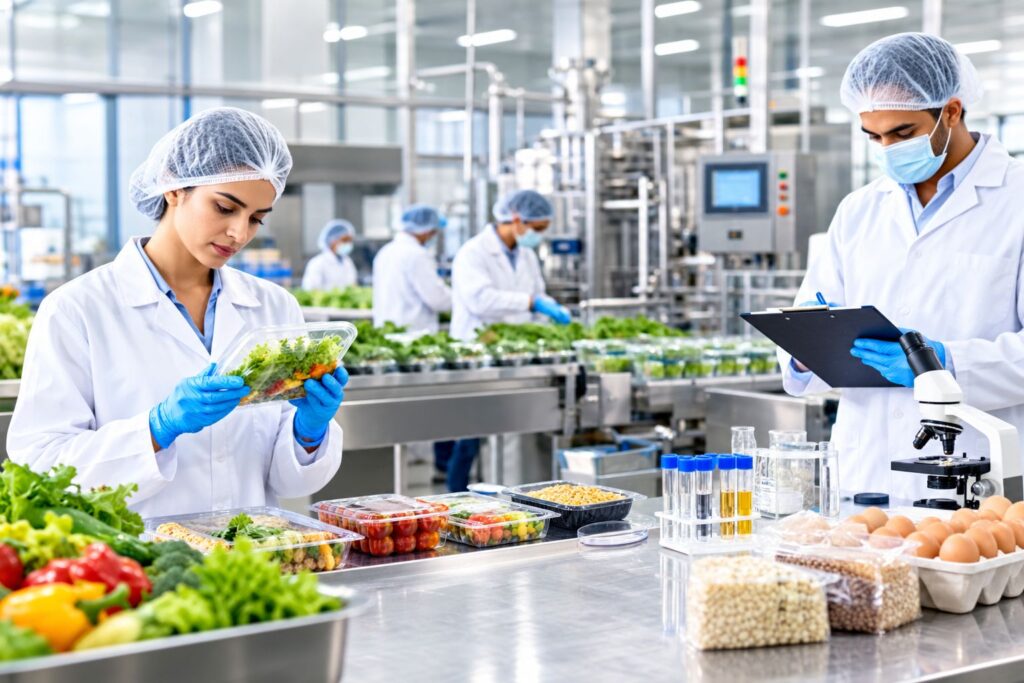
Food safety professionals inspecting food products in a hygienic Indian food processing facility
FFCE

India is Leading the Path Towards Ensuring a Safer Food Industry

India is one of the largest food producers in the world, with a rich agricultural heritage and a vast food processing industry. As the country continues to grow and develop, ensuring food safety has become a top priority. India is taking significant steps to lead the way in making the food industry safer for everyone, from farmers to consumers. In this blog, we will explore how India is working towards creating a safer food industry, focusing on key initiatives, regulations, and advancements that are shaping the future. Understanding Food Safety Food safety refers to the practices and conditions that ensure the food we eat is safe for consumption. This includes everything from the way food is grown and harvested to how it is processed, packaged, and transported. Food safety is important because it helps prevent foodborne illnesses, which can be harmful or even deadly. The Importance of Food Safety in India India is home to over 1.4 billion people, making it one of the most populous countries in the world. With such a large population, ensuring that the food supply is safe is crucial. Food safety is important not only for protecting public health but also for maintaining consumer confidence in the food industry. In recent years, there has been a growing awareness of food safety in India, leading to increased efforts to improve standards and practices across the industry. Key Initiatives for a Safer Food Industry India has implemented several key initiatives aimed at ensuring a safer food industry. These initiatives cover various aspects of food production, processing, and distribution, and are designed to protect consumers from potential risks. The Food Safety and Standards Authority of India (FSSAI) The FSSAI is the main regulatory body responsible for overseeing food safety in India. Established in 2006, the FSSAI sets standards for food products, regulates food businesses, and conducts inspections to ensure compliance. The FSSAI has introduced several initiatives to improve food safety, including the “Eat Right India” campaign, which promotes healthy eating habits and food safety awareness. Strengthening Food Safety Regulations India has strengthened its food safety regulations in recent years. The Food Safety and Standards Act, 2006, is the primary legislation governing food safety in the country. This law sets out the responsibilities of food businesses, outlines penalties for non-compliance, and establishes the FSSAI as the regulatory authority. The Act has been updated over the years to address emerging challenges in food safety. Implementation of Good Manufacturing Practices (GMP) Good Manufacturing Practices (GMP) are guidelines that help food businesses ensure their products are consistently produced and controlled according to quality standards. In India, the FSSAI has made GMP mandatory for all food processing units. This includes maintaining clean and hygienic facilities, using safe raw materials, and following proper food handling procedures. Adoption of Food Safety Management Systems (FSMS) Food Safety Management Systems (FSMS) are systematic approaches to managing food safety risks. In India, many food businesses have adopted FSMS to help ensure that their products are safe for consumers. The FSSAI has also introduced a certification scheme for FSMS, which helps businesses demonstrate their commitment to food safety. Focus on Training and Capacity Building Training and capacity building are crucial for improving food safety. The FSSAI conducts regular training programs for food business operators, inspectors, and other stakeholders. These programs cover various aspects of food safety, including hygiene practices, food handling, and regulatory compliance. By enhancing the skills and knowledge of those involved in the food industry, India is better equipped to ensure a safer food supply. Consumer Awareness Campaigns Raising awareness among consumers is another important aspect of India’s food safety efforts. The FSSAI has launched several consumer awareness campaigns to educate people about the importance of food safety. These campaigns encourage consumers to make informed choices about the food they eat and to report any food safety concerns. Technological Advancements in Food Safety Technology is playing a key role in enhancing food safety in India. Several technological advancements are helping to improve the safety and quality of food products. Food Traceability Systems Food traceability systems allow food products to be tracked throughout the supply chain, from farm to fork. These systems help identify the source of any food safety issues and enable quick responses to potential problems. In India, the FSSAI is promoting the adoption of food traceability systems to improve transparency and accountability in the food supply chain. Use of Blockchain Technology Blockchain technology is being explored as a tool for improving food safety in India. Blockchain provides a secure and transparent way to record transactions, making it easier to track the movement of food products through the supply chain. By using blockchain, food businesses can ensure the integrity of their products and reduce the risk of food fraud. Advanced Testing Methods Advanced testing methods are being used to detect contaminants and ensure the safety of food products. In India, the FSSAI has established a network of food testing laboratories equipped with state-of-the-art technology. These laboratories conduct regular testing of food products to check for harmful substances such as pesticides, heavy metals, and pathogens. Digital Platforms for Food Safety Compliance Digital platforms are being developed to streamline food safety compliance in India. These platforms allow food businesses to register with the FSSAI, submit compliance documents, and track their compliance status. By making it easier for businesses to comply with food safety regulations, these digital platforms contribute to a safer food industry. Challenges in Ensuring Food Safety While India is making significant progress in ensuring food safety, several challenges remain. Addressing these challenges is crucial for building a safer food industry. Fragmented Supply Chain India has a complex and fragmented food supply chain, with many small and medium-sized enterprises (SMEs) involved in food production and processing. Ensuring food safety across this diverse supply chain can be challenging, particularly in rural areas where resources and infrastructure may be limited. Lack of Awareness Despite efforts to raise awareness, there is still a lack of understanding about food safety

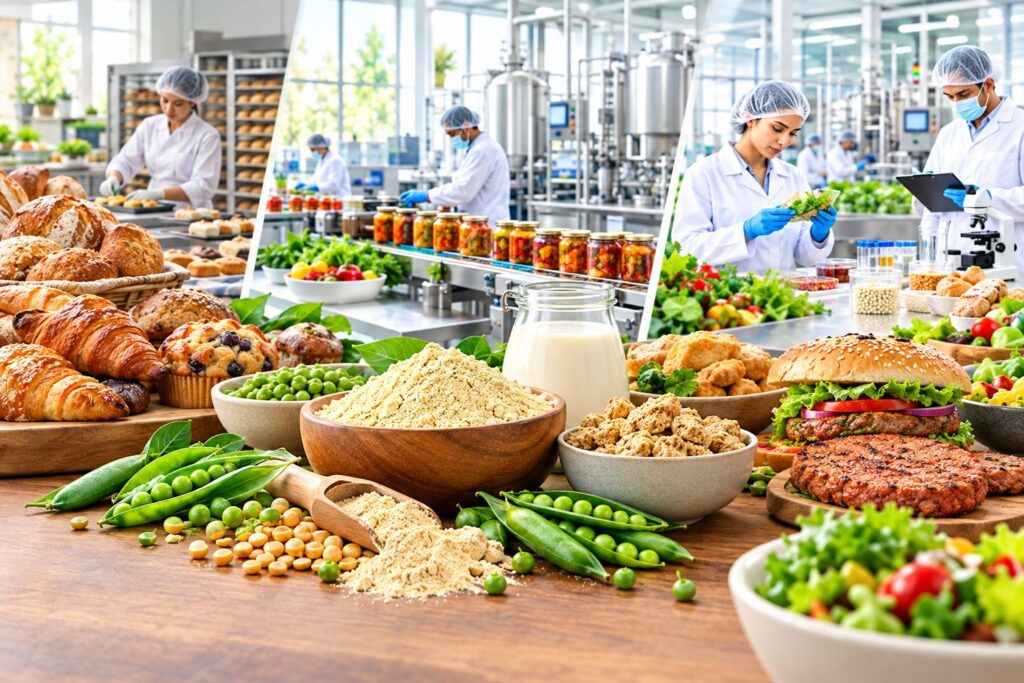
Pea protein and plant-based foods in modern food processing facility
FFCE

The Pea Protein Revolution: Fueling Growth in the Plant-Based Protein Segment (2024-2029)

Pea protein has become a popular choice in the world of plant-based proteins. As more people look for healthier and more sustainable options, pea protein is gaining attention as a strong contender in the protein market. This blog will explore the pea protein revolution, focusing on the expected growth in this segment from 2024 to 2029. What is Pea Protein? Pea protein is a type of protein made from yellow peas. It is considered a complete protein because it contains all nine essential amino acids that our bodies need. Pea protein is also free from common allergens like dairy, soy, and gluten, making it a great option for people with allergies or dietary restrictions. It is commonly used in protein powders, snacks, and meat alternatives. Why is Pea Protein Popular? Pea protein has gained popularity for several reasons: Health Benefits Pea protein is rich in essential amino acids, which are necessary for muscle growth, tissue repair, and overall health. It is also easy to digest, making it a good option for people with sensitive stomachs. Sustainability Pea protein is environmentally friendly. Growing peas requires less water and land compared to animal-based proteins. This makes pea protein a more sustainable option for those concerned about the environment. Allergen-Free Pea protein is naturally free from common allergens like dairy, soy, and gluten. This makes it a safe choice for people with food allergies or intolerances. Versatility Pea protein can be used in a wide range of products, from protein shakes to meat substitutes. Its neutral taste and texture make it a versatile ingredient in many plant-based foods. Market Trends in Pea Protein (2024-2029) The market for pea protein is expected to grow significantly between 2024 and 2029. Several key trends are driving this growth: Rising Demand for Plant-Based Products More people are choosing plant-based diets for health, environmental, and ethical reasons. As a result, the demand for plant-based proteins like pea protein is on the rise. This trend is expected to continue, fueling the growth of the pea protein market. Expansion of Product Offerings Companies are expanding their product lines to include more pea protein-based options. From protein bars to plant-based burgers, pea protein is being used in a wider variety of products. This expansion is helping to drive market growth. Innovation in Pea Protein Processing Advances in food technology are making it possible to produce higher-quality pea protein with better taste and texture. These innovations are expected to make pea protein even more appealing to consumers, further driving market growth. Growing Consumer Awareness Consumers are becoming more aware of the health and environmental benefits of pea protein. This increased awareness is leading more people to choose pea protein over other types of protein, contributing to market growth. Government Support for Sustainable Agriculture Governments around the world are supporting sustainable agriculture practices, including the cultivation of peas. This support is expected to boost the production of pea protein, making it more widely available and affordable. Data-Driven Forecasting for Pea Protein (2024-2029) Based on current trends, the pea protein market is expected to experience strong growth over the next five years. Here are some key data-driven forecasts: Market Size The global pea protein market was valued at around $800 million in 2023 and is projected to reach $1.5 billion by 2029. This growth is driven by increasing demand for plant-based products, particularly in North America and Europe. Regional Growth North America is currently the largest market for pea protein, followed by Europe. However, the Asia-Pacific region is expected to see the highest growth rate between 2024 and 2029. This is due to the rising popularity of plant-based diets in countries like China and India. Product Segmentation Pea protein isolates, which are the purest form of pea protein, are expected to account for the largest share of the market. However, pea protein concentrates and textured pea protein are also expected to see significant growth due to their use in a wide range of food products. End-Use Applications The food and beverage industry is the largest consumer of pea protein, accounting for over 50% of the market. Within this segment, meat alternatives, dairy alternatives, and bakery products are expected to drive the most growth. The sports nutrition and dietary supplements segment is also expected to see strong growth as more athletes and fitness enthusiasts turn to plant-based protein options. Future Growth Opportunities in the Pea Protein Market The pea protein market is expected to continue growing, with several opportunities on the horizon: Expansion into Emerging Markets While North America and Europe currently dominate the pea protein market, there is significant growth potential in emerging markets like Asia-Pacific and Latin America. As consumer awareness of plant-based diets grows in these regions, the demand for pea protein is expected to increase. Development of New Products Innovation in product development will be key to the future growth of the pea protein market. Companies that can create new and exciting products using pea protein, such as ready-to-eat meals, snacks, and beverages, are likely to see success. Sustainability Initiatives As consumers become more concerned about the environmental impact of their food choices, there is an opportunity for companies to market pea protein as a sustainable option. Companies that can demonstrate their commitment to sustainability are likely to gain a competitive edge. Partnerships and Collaborations Partnerships between food manufacturers, pea protein suppliers, and research institutions can help drive innovation and expand the market. Collaborations can also help companies navigate regulatory challenges and access new markets. Personalized Nutrition Personalized nutrition, which involves tailoring diets to an individual’s unique needs and preferences, is an emerging trend in the health and wellness industry. Pea protein is well-suited to this trend due to its versatility and health benefits. Companies that can offer personalized pea protein products are likely to see strong demand. Challenges Facing the Pea Protein Market While the pea protein market has significant growth potential, it also faces several challenges: Competition from Other Plant-Based Proteins Pea protein is not the only plant-based

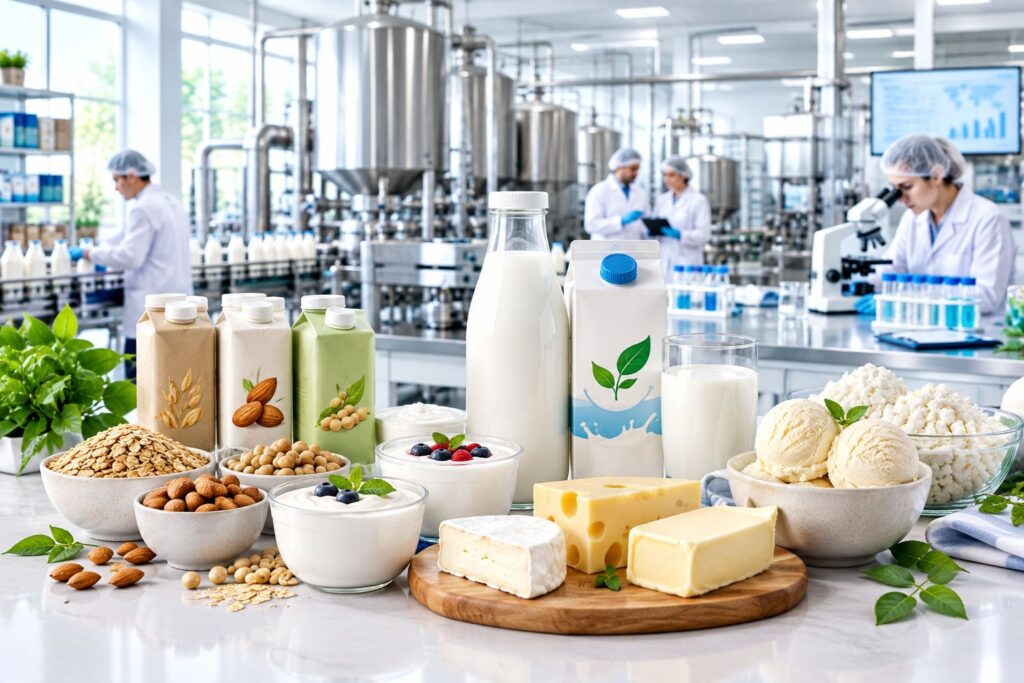
Lactose-free dairy products and plant-based alternatives in food processing facility
FFCE

The Future of Lactose-Free Products: Market Trends and Data-Driven Forecasting

Lactose-free products have gained significant popularity in recent years. As more people discover they are lactose intolerant or simply choose to avoid dairy for health reasons, the demand for lactose-free products continues to rise. This blog will explore the future of lactose-free products by examining current market trends and providing data-driven forecasts. What Are Lactose-Free Products? Lactose-free products are foods and beverages that do not contain lactose, a sugar found in milk and dairy products. Lactose intolerance occurs when a person’s body cannot properly digest lactose, leading to symptoms like bloating, gas, and stomach pain. Lactose-free products are made by either removing lactose from dairy or using ingredients that do not contain lactose, making them suitable for people with lactose intolerance. The Growing Demand for Lactose-Free Products In recent years, the demand for lactose-free products has been growing steadily. Several factors contribute to this trend: Increasing Awareness of Lactose Intolerance More people are becoming aware of lactose intolerance and its symptoms. As a result, they are seeking lactose-free alternatives to avoid discomfort and improve their overall health. Health Consciousness Consumers are becoming more health-conscious and are looking for products that align with their dietary needs. Lactose-free products are often perceived as healthier options, driving their popularity among health-conscious individuals. Rising Prevalence of Lactose Intolerance Lactose intolerance is more common in certain populations, particularly in Asia, Africa, and South America. As these populations grow and become more affluent, the demand for lactose-free products is expected to increase. Innovation in Lactose-Free Products The food industry has responded to the growing demand for lactose-free products by developing a wide range of options, including lactose-free milk, yogurt, cheese, and ice cream. These innovations have made it easier for consumers to find lactose-free alternatives that fit their preferences. Market Trends in Lactose-Free Products Expansion of Product Range The lactose-free product market has expanded beyond just milk. Today, consumers can find lactose-free versions of many dairy products, including cheese, butter, yogurt, and ice cream. This diversification of products has contributed to the market’s growth. Increased Availability Lactose-free products are becoming more widely available, not just in specialty stores but also in regular supermarkets. This increased availability has made it easier for consumers to access lactose-free options. Growing Popularity of Plant-Based Alternatives Plant-based milk alternatives, such as almond milk, soy milk, and oat milk, are naturally lactose-free and have gained popularity as people look for dairy-free options. The rise of plant-based products has further fueled the growth of the lactose-free market. Focus on Taste and Quality Manufacturers are focusing on improving the taste and quality of lactose-free products. Initially, lactose-free products were often criticized for lacking the taste and texture of regular dairy products. However, advancements in technology and production processes have led to significant improvements, making lactose-free products more appealing to a broader audience. Sustainability and Ethical Considerations As consumers become more environmentally conscious, there is a growing demand for sustainable and ethically produced lactose-free products. Companies that prioritize these values are likely to gain a competitive edge in the market. Data-Driven Forecasting for Lactose-Free Products The lactose-free products market is expected to continue its upward trajectory in the coming years. Here are some key data-driven forecasts: Market Size The global lactose-free products market was valued at around $11 billion in 2022 and is projected to reach $18 billion by 2028. This growth is driven by increasing consumer awareness, rising prevalence of lactose intolerance, and the expansion of product offerings. Regional Growth The Asia-Pacific region is expected to see the highest growth rate in the lactose-free products market. This is due to the high prevalence of lactose intolerance in the region, combined with increasing disposable incomes and greater health awareness. Product Segmentation Within the lactose-free market, lactose-free milk currently holds the largest market share. However, other product segments, such as lactose-free yogurt and cheese, are expected to grow at a faster rate due to increasing consumer demand for a wider variety of lactose-free options. Retail Channel Expansion Supermarkets and hypermarkets remain the dominant retail channels for lactose-free products, but online retail is gaining traction. With the rise of e-commerce, more consumers are purchasing lactose-free products online, especially in regions with limited access to physical stores. Consumer Demographics Younger consumers, particularly millennials and Gen Z, are driving the demand for lactose-free products. This demographic is more health-conscious, willing to try new products, and more likely to seek out lactose-free options. Future Growth Opportunities in the Lactose-Free Market The future of the lactose-free products market looks promising, with several growth opportunities on the horizon: Expansion into New Markets As awareness of lactose intolerance grows, there is potential for market expansion into regions where lactose-free products are not yet widely available. Companies that can successfully introduce lactose-free products in these emerging markets are likely to see significant growth. Development of New Products There is room for innovation in the lactose-free market, particularly in developing new products that cater to specific consumer needs. For example, lactose-free products that are also high in protein, low in sugar, or fortified with additional nutrients could appeal to health-conscious consumers. Partnerships and Collaborations Companies can explore partnerships with dairy producers, plant-based product manufacturers, and health organizations to create new lactose-free products and expand their reach. Collaborations can also help in marketing and distribution, making lactose-free products more accessible to consumers. Technological Advancements Advances in food technology can lead to the development of better lactose-free products. For example, improvements in enzyme technology can enhance the process of removing lactose from dairy, resulting in products that taste more like traditional dairy while being easier to digest. Education and Awareness Campaigns Educating consumers about lactose intolerance and the benefits of lactose-free products can help drive market growth. Awareness campaigns can dispel myths about lactose-free products and encourage more people to try them. Sustainability Initiatives As sustainability becomes a more important factor for consumers, companies that focus on environmentally friendly production methods and packaging for lactose-free products will likely see increased demand. Challenges Facing the Lactose-Free Market

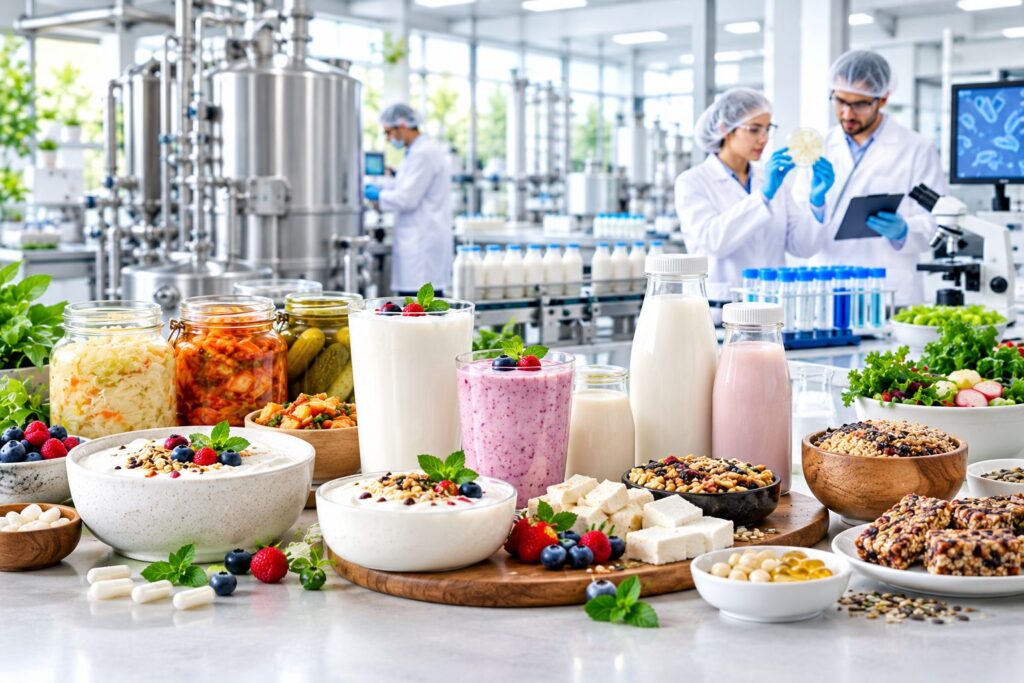
Probiotic foods and fermented products in modern food production facility
FFCE

The Future of Probiotics – Growth Opportunities in the Market

Probiotics are tiny living organisms, mainly bacteria and yeast, that provide health benefits when consumed correctly. These microorganisms are often called “good” or “friendly” bacteria because they help keep our gut healthy. The demand for probiotics has grown rapidly in recent years, and experts believe this market will continue to expand. This blog will explore the growth opportunities in the probiotics market, highlighting key factors driving this expansion. What Are Probiotics? Before diving into the growth opportunities, it’s essential to understand what probiotics are. Probiotics are live microorganisms, usually bacteria, that can be found in various foods and supplements. When taken in adequate amounts, these microorganisms help improve our health, particularly our digestive system. The most common types of probiotics include Lactobacillus and Bifidobacterium, which are often found in yogurt, kefir, and other fermented foods. Why Are Probiotics Important? Probiotics play a crucial role in maintaining a healthy balance of bacteria in our gut. The human gut is home to trillions of bacteria, both good and bad. A healthy gut has a balance between these two types of bacteria, which helps in digestion, nutrient absorption, and immune system support. However, factors like poor diet, stress, and antibiotic use can disrupt this balance, leading to digestive problems and other health issues. Probiotics help restore this balance, improving gut health and overall well-being. Market Overview The probiotics market has seen significant growth in recent years, driven by increasing consumer awareness of the health benefits of probiotics. According to recent studies, the global probiotics market was valued at around $55 billion in 2022 and is expected to reach $75 billion by 2026. This growth is fueled by several factors, including the rising demand for functional foods, the increasing prevalence of digestive disorders, and growing health consciousness among consumers. Key Drivers of Growth Increasing Awareness of Gut Health Consumers are becoming more aware of the importance of gut health and its connection to overall well-being. This awareness has led to a growing demand for probiotics as people seek natural ways to improve their digestive health. Rising Demand for Functional Foods Functional foods are foods that offer health benefits beyond basic nutrition. Probiotics are a key component of functional foods, and the demand for these products has been on the rise. Consumers are increasingly looking for foods that provide specific health benefits, such as improved digestion, which is driving the growth of the probiotics market. Growing Prevalence of Digestive Disorders Digestive disorders, such as irritable bowel syndrome (IBS), bloating, and constipation, are becoming more common. Many people are turning to probiotics as a natural remedy for these conditions. This trend is contributing to the growth of the probiotics market. Increasing Health Consciousness As people become more health-conscious, they are looking for ways to improve their overall well-being. Probiotics are seen as a natural and safe option for maintaining good health, leading to increased demand for probiotic products. Advancements in Probiotic Research Ongoing research in the field of probiotics is uncovering new health benefits and potential applications for these microorganisms. This research is driving innovation in the probiotics market, leading to the development of new and improved probiotic products Emerging Trends in the Probiotics Market Personalized Probiotics Personalized nutrition is an emerging trend in the health and wellness industry. This trend is now extending to probiotics, with companies developing personalized probiotic supplements tailored to an individual’s unique gut microbiome. This personalized approach is expected to drive growth in the probiotics market. Expansion into New Product Categories Probiotics are no longer limited to yogurt and supplements. They are now being incorporated into a wide range of products, including beverages, snacks, and even skincare products. This expansion into new product categories is creating new opportunities for growth in the probiotics market. Probiotics for Mental Health Research has shown a connection between gut health and mental health, often referred to as the “gut-brain axis.” As a result, there is growing interest in the potential of probiotics to support mental health. This is an emerging area of the probiotics market with significant growth potential. Probiotics for Pet Health The probiotics market is not limited to human health. There is a growing demand for probiotics for pets, particularly dogs and cats. Pet owners are increasingly looking for ways to improve their pets’ digestive health, and probiotics are becoming a popular option. This trend is contributing to the growth of the overall probiotics market. Challenges in the Probiotics Market While the probiotics market presents significant growth opportunities, it also faces several challenges: Regulatory Hurdles The probiotics market is heavily regulated, with strict guidelines governing the production, labeling, and marketing of probiotic products. Navigating these regulations can be challenging for companies, particularly those looking to enter new markets. Consumer Skepticism Despite the growing awareness of the benefits of probiotics, some consumers remain skeptical about their effectiveness. This skepticism can be a barrier to the growth of the probiotics market, particularly in regions where consumer awareness is lower. High Competition The probiotics market is highly competitive, with numerous companies vying for market share. This competition can make it difficult for new entrants to establish themselves in the market. Stability of Probiotic Products Probiotics are living organisms, and their effectiveness depends on their ability to survive until they reach the gut. Ensuring the stability of probiotic products throughout their shelf life is a significant challenge for manufacturers. Future Growth Opportunities Despite these challenges, the probiotics market is poised for significant growth in the coming years. Here are some potential areas for growth: Expansion into Emerging Markets While the probiotics market is well-established in regions like North America and Europe, there is significant growth potential in emerging markets such as Asia-Pacific and Latin America. Increasing awareness of the health benefits of probiotics in these regions is expected to drive demand for probiotic products. Development of Probiotic-Fortified Foods As consumers look for more convenient ways to incorporate probiotics into their diets, there is a growing demand for probiotic-fortified foods. This presents an opportunity for manufacturers to

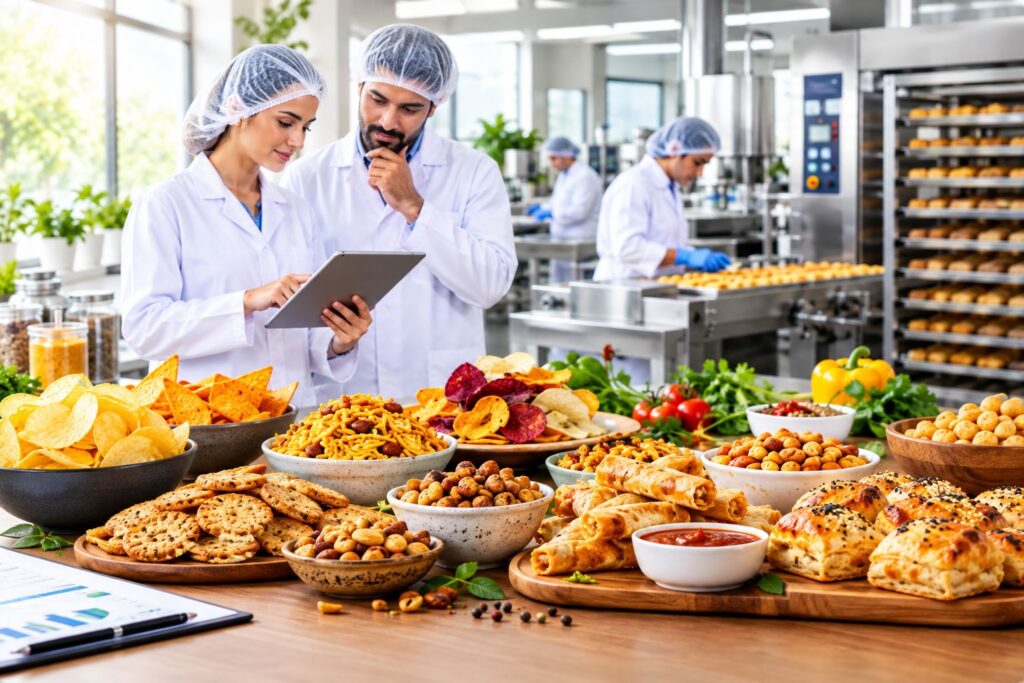
Savory snacks consultant developing innovative snack food products
FFCE

Savory Snacks Consultant/Innovative Snack Food Solutions

The market for snack foods is constantly changing as buyer preferences move toward healthier choices and strong, distinctive flavors. To meet these demands, businesses that need to stand out require to contract a Savory Snacks Expert. Working together with FFCE (Nourishment Enhance and Color Upgrades) gives you get to snack innovation knowledge that will offer assistance you create items that offer to your target market. Why Work with a Savory Snacks Consultant? A Savory Snacks Consultant offers guidance on all major aspects of snack development, including sourcing ingredients, developing flavor profiles, and scaling production. These consultants, who have a thorough understanding of consumer preferences, support brands in confidently innovating. Consider hiring a snacks consultant for the following main reasons: Market Analysis: Experts carry out in-depth investigations into consumer preferences, competitive environments, and snack trends. Armed with this knowledge, they assist businesses in matching their products to the most recent market demands. Recipe Development: Utilizing a recipe that works demands a careful balancing act between nutritional value, texture, and flavor. To create recipes that satisfy quality and taste standards while catering to particular dietary requirements or preferences, a snacks consultant contributes their expertise Innovative Flavor Creation: Developing novel flavors is essential to marking in customers. Brands can experiment with the unique spice blends, seasoning options that serve a variety of palates, and novel and exotic flavor combinations by collaborating consultant. Product positioning: With the help of a consultant, you can place your product in the market strategically, focusing on the appropriate demographics and making sure that the branding and packaging meet customer expectations. Cost-Effectiveness: Consultants also assist in streamlining production procedures and locating premium ingredients at affordable costs, which leads to more successful operations without reducing the quality. How FFCE Handles Consulting for Savory Snacks? We at FFCE understand that every snack product has distinct qualities. Our objective is to provide solutions specifically designed to appeal to your target market and complement your brand vision. This is a summary of how we conduct consultations: Understanding Your Brand and Goals:  We start by going in depth into your brand’s mission, values, and product objectives. We can produce snacks that genuinely connect with your identity and target market if we have a clear understanding of your vision and brand essence. Consumer and Market Research:  In-depth research on consumer preferences, market trends, and competitor analysis is done by our team. We can find opportunities for distinctive product offerings and reducing flavors that will appeal to your target market thanks to this insight. Formulating Concepts and Assessing Recipes:  We collaborate with your team to produce unique concepts and preferences. Whether it’s savory blends with herbs or spicy and tangy options, we test and refine recipes in our kitchen to ensure quality, consistency, and satisfaction. The primary objectives of our approach are flavor balance and a memorable taste experience. Product Evaluation and Enhancement:  The first step is to create a product. We systematically test our products to ensure the highest quality, taste, and texture. Our consultants help you test recipes in focus groups and refine them to get actual customer feedback. Optimizing Production and Sourcing Ingredients: Because of FFCE’s solid supplier relationships, we guarantee that you can get premium ingredients at affordable costs. Our consultants also concentrate on optimizing production procedures, which can lower expenses and increase batch consistency. Packaging and Branding Advice: The success of a snack depends on presentation in addition to taste. To make sure your product stands out on store shelves and online, we offer advice on packaging design, branding, and positioning. Success Stories at FFCE Our consulting services have led to successful product launches across various snack categories, from spicy chips to protein-rich snack bars. Working closely with our clients, we’ve helped brands capture the market with savory snacks that are both innovative and delicious. Conclusion For brands aiming to make a mark in the snack industry, a partnership with a Savory Snacks Consultant like FFCE can be transformative. With our comprehensive consulting services, we’ll guide you through the entire process, from concept to market. Whether you’re looking to develop a new snack line or enhance an existing one, our team is here to help you create products that captivate and satisfy.

Advanced food recipe development and food technology for product formulation
FFCE

Utilizing Advanced Food Recipe Development and Food Technology to Formulate Successful Product Recipes

In order to produce foods that satisfy contemporary tastes and health requirements, product recipe development is crucial. FFCE provides experience in food technology and recipe development, guaranteeing premium, market-ready goods. Ingredient selection, sensory analysis, and compliance with FDA and FSSAI safety regulations are among their services. FFCE also employs cutting-edge methods, like low-sodium formulations, to satisfy changing consumer needs. The Basic Concepts of Developing Product Recipes The first step in making an incredible item is having a careful understanding of the flavors, textures, and intelligent of the fixings. Choosing the correct fixings to make the expecting dietary profile, flavor, and surface whereas making a item formula requires a cautious adjusting act between imagination and science. Formulators can improve recipes to make sure every product satisfies strict requirements and consumer expectations by adhering to a systematic development process. How Food Recipe Development Shapes Innovation? There are more than just essential cooking standards included in developing food recipe. It is a deliberate approach that centers on refining each fixing in a formula, optimizing fixing extents, and attempting out different cycles to make the best conceivable conclusion result. Formula improvement groups utilize explanatory methods, fixing inquire about, and tangible testing to refine and culminate each creation and make an item that offers to consumers’ palates and takes after showcase patterns. The Role of Food Technology in Modern Recipe Formulation Modern recipe formulation procedures heavily focus on food technology, which offers the means to increase production efficiency, boost product stability, and improve flavor and texture. More complex, enticing products are made possible by technologies like controlled flavor release, emulsification, and high-pressure processing. By making sure that products are safe, shelf-stable, and nutritionally optimized, these developments allow formulators to realize creative ideas. Discovering Success in the Market with Reliability and Innovation Modern food technology, product recipe development, and product recipe formulation must all be combined by food inventors to stay ahead in a cutthroat market. Developers may create scalable, nourishing, and enjoyable products by focusing on quality, consistency, and user demands. Using these elements will be essential as the food industry grows in order to produce the next generation of well-liked food items. Conclusion In a highly competitive market, food innovators can stay ahead of the competition by combining advanced food technology, food recipe development, and product recipe formulation. By focusing on quality, consistency, and buyer needs, designers may create versatile, delightful, and energizing products. Creating the following era of commercial nourishment items will require thought of these variables as the food business develops

Customized beverage formulation and consulting services for unique flavors
FFCE

Tailored Beverage Formulation and Consulting Services for Unique Flavors and Distinguished

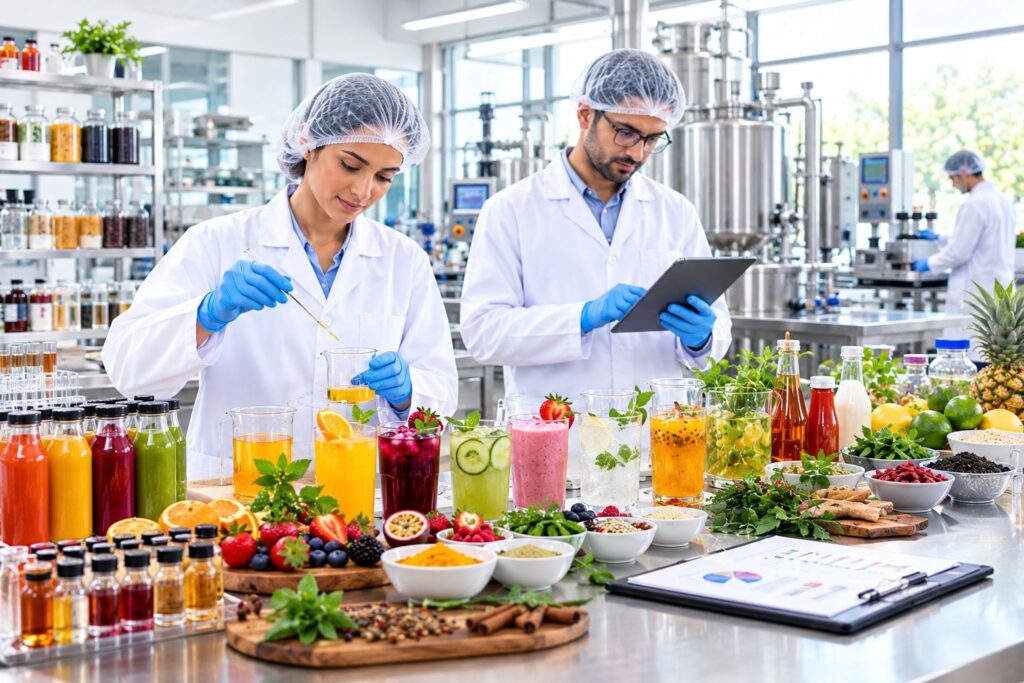
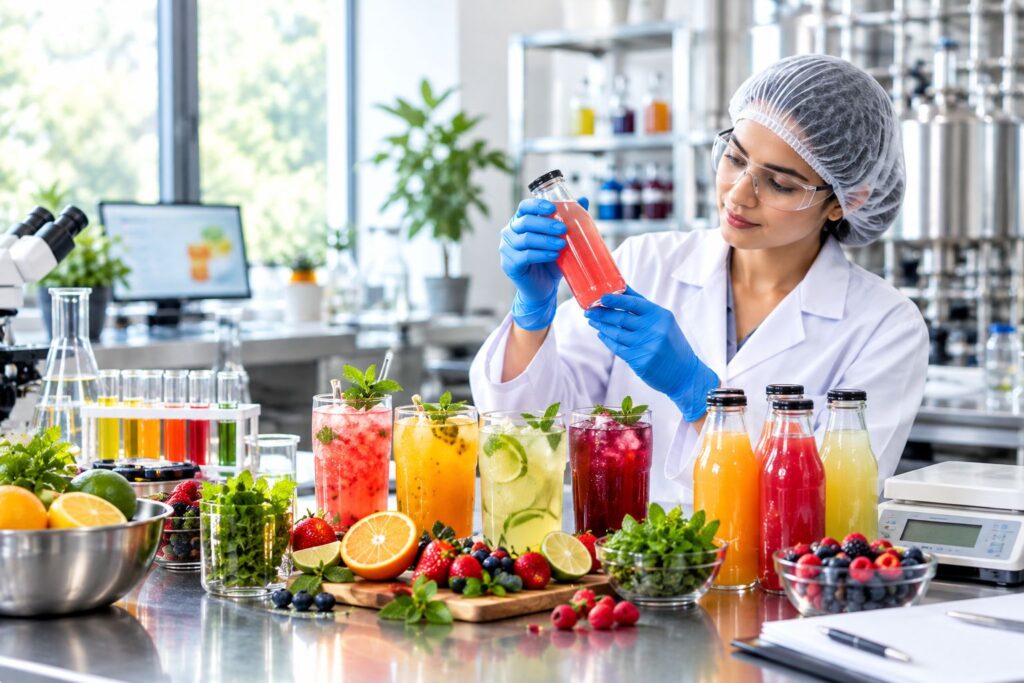
Our team offers consulting, as well as customized beverage formulation, ensuring perfection of the final product while keeping alive distinct flavors. From inception to launch, our company puts out beverages that stand out for uniqueness in consistency, originality, and appeal to the consumer through specialized ingredient selection, strict quality control, and regulatory compliance.   We, at FFCE-Food and Flavors consultancy Experts are experts in coming up with new beverages and consulting services that precisely capture every brand’s essence. Utilizing leading edge sciences flavor, market intelligence, and deep knowledge of consumer preference, we play a role in creating beverages that resonate with today’s consumer. Full scope of services by FFCE will provide them with crucial expertise in guaranteeing the success of their beverages, thus perfect for new product launches as well as to improve current products. The Journey of Flavor Development: Every drink has a story. Every drink has a story. We will work with our clients to design unique flavors tailored to the latest trends and needs of customers. And our approach remains to be anchored in the beverage aligning with the brand’s vision, whether creating an exciting summer beverage or a functional energy beverage promising to energize with every sip making an impression. Ingredient Selection: Quality Meets Innovation Every great drink begins with the combination of its ingredients. Our formulation approach builds from the careful selection of high-quality, natural ingredients. Ethical and responsible sources are first for us, so your product will taste excellent but will also be healthy for the environment and for its customers. From the best additives to fruits, herbs, and spices, our team deals with any combination of components to assure that your finished product not only meets all its nutritional requirements but enhances the taste expectations. The right ingredient will make your beverage shine in the market- improve flavor and functionality. Why Customized Beverage Consulting Is Essential? Our consulting and customized formulation services for your beverages will help your business know what the customers need, create the right recipes, ensure your product is better and more innovative, and ready for the market. Through our great recommendations, you will be producing drinks that are pleasing and more than what your clients expect. And we’re just the right catalyst to upgrade your brand’s quality with a product standing out in terms of flavor, quality, and marketability. Our Customised Method for Formulation of Drinks Custom Flavor Development: Being unique in the beverage market calls for a distinctive flavor profile. FFCE partners with brands to develop unique flavors based on their vision and to appeal to their target market. Refreshing fruit-based drinks to more functional beverages, formulas are crafted based on brand identity, but at high standards of quality. Ingredient Choice and Procurement: Good quality ingredients determine the perfect beverage. FFCE intends to source the best ingredients that are sustainably sourced to enhance further the flavors, texture, and nutritional value. Each ingredient is carefully evaluated for compatibility and contribution to the final product, enabling brands to offer beverages that are both premium and appealing. Development of Custom Flavors: It really does take an extraordinary flavor character to be different in the drink industry. So, at FFCE, we work with beverage companies for brands to come up with unique flavors that appeal to their target demographic and express their vision. Our team creates formulae true to corporate identity with impeccable quality-in everything from functional beverages to delightful fruit-based drinks. Choosing and Obtaining Ingredients: The quality of ingredients used is where the real success of a successful beverage lies. Sustainably sourced and superior-tasting ingredients that contribute to improved flavor and texture as well as nutritional value feature at the top priority for FFCE. Therefore, every component it uses towards perfect blending is deemed fit for the final product, making their brands able to offer upscale and enticing beverages. Sensory assessment and improvement: Extensive sensory testing and flavor profiling are necessary to achieve the best taste experience. The method applied by FFCE ensures that every recipe is perfected, thereby providing a delicious taste experience to be remembered by customers. Trials and tastings are carried out to ensure that the beverage not only stands out on the shelves but also catches the attention of customers. Product Consistency and Quality Control: To achieve consistency for all batches of production, quality assurance ranks as one of the top most priorities for FFCE. Every product has to undergo an uncompromising testing cycle in order to ascertain consistency in terms of taste, texture, and appearance. The ability to deliver consistent performance along with adherence to stringent quality standards enables us to create credibility and confidence for brands. Safety and Regulation Compliance: FFCE provides full regulatory compliance as part of its broad offer of services; this makes sure that the product is delivered in line with all considerations for safety regulations, labeling specifications, and other standard statements prepared for local and foreign markets. Formulation to packaging is streamlined so that every step is as compliant and market-ready as possible. Ready to Create Your Unique Beverage? Our customized beverage formulation and consulting service can help you bring a new beverage to the market or improve an existing one. We work with you to address your specific needs from idea generation to implementation to meet your requirements in the development of taste, sourcing, sensory testing, and regulatory compliance. Let us help you create a drink that reflects your ideas, as unique as your brand, and leaves an impression in the minds of your customers. Conclusion At FFCE, our mission is to develop novel drinks that stand out in today’s cluttered marketplace. Your product is sure to flourish under our customized formulating and consulting service-a mix of unique flavors, quality promises, and brand recognition. Whether to come up with a new product or renovate an old formula, FFCE brings along the knowledge and all-around support to bring your beverage concept to life. Let us create drinks of the best quality, most creative, and delicious taste possible.

Beverage consulting professional services for beverage formulation and product development
FFCE

Beverage Consulting: Professional Services for Unique Tastes and Market Success

Our Beverage Consulting Services provide customized, innovative solutions that make unique market-ready beverages. From the concept of creating flavor profiles, brand development, and introduction to the market, our staff will ensure that every product features compelling quality and appeal for a consumer, for good reasons: Brands require those attention-grabbing qualities to attain long-term success Introduction In the beverage industry, which is highly competitive, a unique flavor profile is crucial for capturing the market. Our professional consulting services, focused on the beverage business, help brands develop creative and consumer-appealing drinks ready for market consumption. We provide creativity and industry know-how to bring your unique beverage concept to life and make it different in a saturated marketplace. In such a market, where consumer preferences and tastes seem to be changing almost constantly, what is needed is a beverage that can stand out from the rest. At our end, we offer professional beverage consulting services to help brands develop unique, consumable drinks that attract and evoke loyalty. From concept to formula to brand and launch, we guide brands through every step of the process while infusing strategic market insights with innovative flavors. Our strategy ensures your beverage not only tastes great but also appeals to the intended market, hence a long way to success. Our Beverage Consulting Services Custom Flavoring Innovation:  We work together with you to create a taste that stands alone and reinforces your brand. Using art and science, we craft beverages that offer distinctive, memorable taste experiences. Market Strategy and Analysis:  Comprehensive market research is important in helping to identify emerging trends with consumers by determining whether a product is correctly positioned to leverage these changes. Strategy positions the beverage to today’s needs while leaving enough room to innovate. Expert Formulation and Testing: Our consultants are equipped with advanced techniques in formulation and rigorous testing for consistency and quality. We tend to each aspect of the beverage-beverage flavor, color, texture, and stability on the shelf-to provide the best final product that can be expected. Regulatory Compliance &Quality Control : Our beverage consulting team will determine that your product is safe and compliant with industry guidelines and governances to ensure you know the proper regulations and quality control processes for the proper production of your beverages. Support in Branding and Launch:  We support every single aspect of your beverage brand’s identity, from labeling design to market positioning, in making sure that your product presents the best possible first impression. Why Choose Our Beverage Consulting Services? Our Beverage Consulting Service will combine expertise and creativity with deep knowledge of the market to bring life to your vision. We will create unique flavors and novel formulations that are specific to your brand identity, holding up to the highest standards in the industry. With a strong, quality-driven focus and innovation, our team provides total support-from detailed, in-depth market insights all the way through branding and launch into smooth campaign planning and execution. Join us to create the taste of a lifetime beverage product, which is unique not only in the taste but in the marketplace, catching the attention of the customer and guaranteeing loyalty. Conclusion With our Beverage Consulting Services, you are teaming up with an innovative, quality-minded team of experts committed to success. We know that no one is aware of a product unless it is unique and memorable. Therefore, with a combination of creative flavor development, strategic insights, and seamless branding, you can be assured that your beverage will be crafted to impact. Help us give life to your vision – that is, creating a drink that attracts attention while pleasing the palate and attaining true market success.

Scroll to Top

Your Trusted Food-Tech Partner Simplifying Solutions, Maximising Success

    Your idea is 100% protected by our Non Disclosure Agreement

    What is Refresh icon

    Your Trusted Food-Tech Partner Simplifying Solutions, Maximising Success

      Your idea is 100% protected by our Non Disclosure Agreement

      What is Refresh icon

      Your Trusted Food-Tech Partner Simplifying Solutions, Maximising Success

        Your idea is 100% protected by our Non Disclosure Agreement

        What is Refresh icon

        Powering your food business forward