FFCE

Now Hiring: Are you a driven and motivated 1st Line Food Technologist?

FFCE

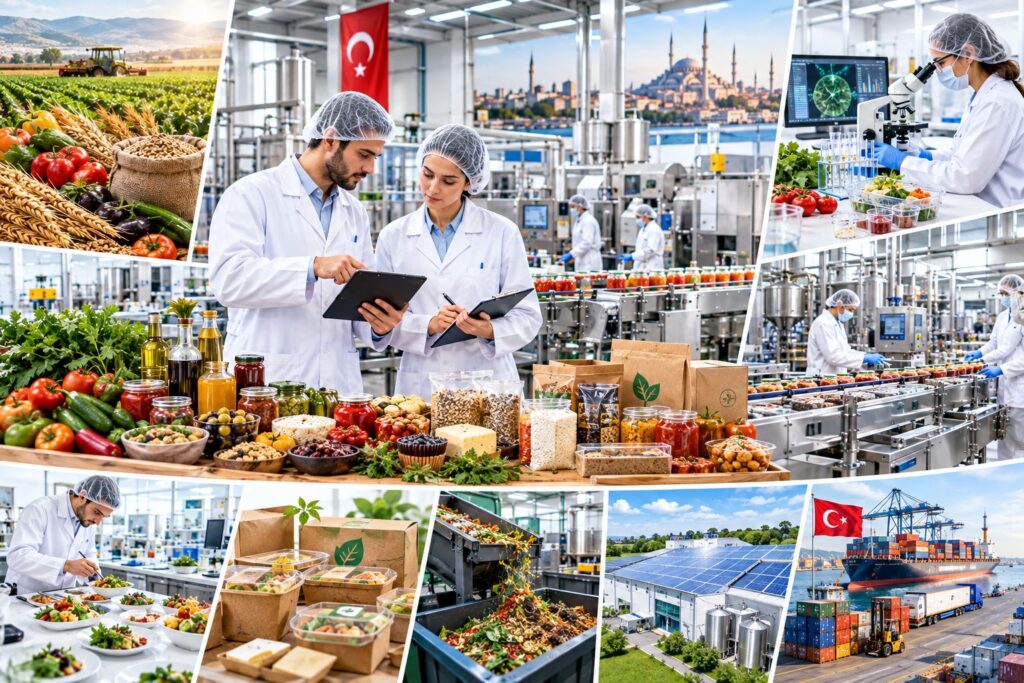
Food experts supporting Turkey’s food processing sector with quality testing and production
FFCE

Significance of Food Experts in Turkey’s Food Processing Sector

Turkey’s food processing sector plays a critical role in the nation’s economy, driven by its rich agricultural resources and strategic location. Food experts are indispensable in optimizing processes, ensuring quality, and implementing innovative solutions in this competitive industry. Their contributions include improving operational efficiency, maintaining food safety, and aligning production with global standards to meet domestic and international market demands. Introduction Turkey is one of the leading global producers of agricultural products, including grains, fruits, and vegetables. This abundance forms the backbone of its thriving food processing sector, which caters to both local and export markets. However, the sector faces challenges such as maintaining product quality, reducing waste, and adapting to changing consumer preferences. Food experts play a vital role in addressing these challenges by applying their technical expertise and industry insights to enhance efficiency and sustainability. Products developed 0 + Years experience 0 + Countries served 0 + Clients served 0 + Key Points in the Process Raw Material Sourcing and Handling Food experts ensure the procurement of high-quality raw materials to maintain product integrity. Advising on storage solutions to preserve freshness and minimize losses. Process Optimization Streamlining production lines to enhance efficiency and reduce energy and water consumption. Implementing automation and advanced technologies such as AI-driven quality checks. Food Safety and Quality Assurance Establishing rigorous quality control measures to prevent contamination and ensure compliance with global safety standards. Designing HACCP (Hazard Analysis and Critical Control Points) systems to mitigate risks. Product Innovation Developing new products to cater to evolving consumer demands, such as organic, functional, or convenience foods. Enhancing the nutritional profile of processed foods without compromising taste. Waste Management and Sustainability Advocating for eco-friendly practices like recycling by-products and reducing carbon footprints. Promoting energy-efficient equipment and sustainable packaging solutions. Market Trends in Turkey’s Food Processing Sector Rise in Processed Foods: With increasing urbanization and changing lifestyles, there is growing demand for ready-to-eat and convenience foods. Export Expansion: Turkish food products are gaining popularity in global markets, particularly in Europe, the Middle East, and Asia. Health and Wellness Movement: Consumers are opting for healthier food options, driving innovation in low-fat, organic, and plant-based products. Digital Transformation: Adoption of smart technologies in processing, packaging, and logistics to improve operational efficiency. Sustainability Focus: Emphasis on reducing waste, adopting green technologies, and meeting eco-conscious consumer demands. Role of Consultants in Turkey’s Food Processing Sector Technical Guidance Offering expertise in process improvement, technology selection, and machinery optimization. Regulatory Compliance Ensuring adherence to national and international food safety standards and certifications, such as ISO 22000 and EU regulations. Market Strategy Identifying market opportunities and advising on product positioning to appeal to domestic and export markets. Training and Capacity Building Conducting workshops and training programs to enhance workforce skills and knowledge. Sustainability Consulting Designing strategies to reduce waste, improve energy efficiency, and promote circular economy principles. Conclusion Food experts are pivotal to the growth and transformation of Turkey’s food processing sector. Their expertise not only enhances operational efficiency but also ensures the production of high-quality, safe, and innovative food products. By addressing challenges and aligning with market trends, food experts enable Turkish businesses to compete effectively on the global stage while contributing to sustainability and economic growth. As the sector continues to evolve, their role will remain indispensable in shaping a thriving and resilient food industry.
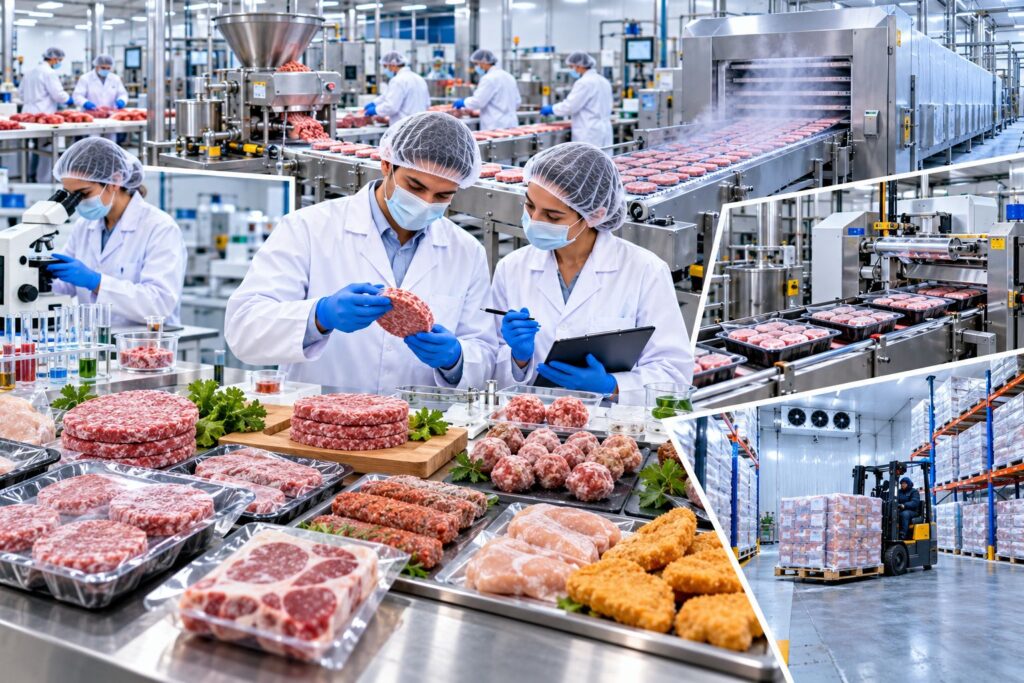
Frozen meat product development and quality consultation
FFCE

Frozen Meat Product Development Consultants: Elevating the Quality and Innovation of Frozen Meat Products

Food consultants are crucial for the development of frozen meat products because they keep companies ahead of trends, perfect recipes, and ensure quality. They help businesses comply with food safety laws, control cold chains, and create healthier options. Businesses can use their experience to innovate and create premium, consumer-demanding frozen meat products ready for the market. Introduction The market for frozen meat is constantly changing. Changing consumer tastes and increasing demands for innovation, sustainability, and convenience are leading factors. This makes developing premium frozen beef products, which meet the changing requirements, a very challenging job that requires experience. Up to this point, food consultants particularly those specializing in developing frozen meat products become very handy. These professionals assist frozen food companies in giving advice and solutions that ensure their products meet the strictest requirements in terms of quality, safety, and marketability. Products developed 0 + Years experience 0 + Countries served 0 + Clients served 0 + Why Frozen Meat Product Development is Crucial The frozen meat products are convenient, last longer, and provide many meal options to the customer. Companies need to stay ahead of trends and manufacture goods that not only fulfill customers’ demands but also outdo their competitors on store shelves since the frozen food industry is very competitive. This will involve crucial considerations for developing new food products, among them: food safety, flavor, texture, and nutritional values. Frozen meat product manufacturers require consultants during this procedure since they help a firm find solutions to the several difficulties in the development process. These consultants optimize the compositions for the products; enhance ways of producing such products while ensuring that the finished goods meet the clients’ expectation and the general demand trends in the markets. The Role of Food Consultants in Frozen Meat Product Development Market and Trends Research Market research is used by food consultants to help companies stay on top of industry trends. They help businesses create innovative, in-demand frozen meat products by identifying new consumer preferences, such as the need for clean-label or plant-based alternatives. Recipe Development and Improvement Recipes are developed by the consultant with optimal flavor, texture, and nutritional content in consideration with freezer-safe cuts, seasonings, and cook methods. This results in higher-quality goods and more satisfied customers. Cold Chain Management Frozen meat requires proper cold chain management. Besides ensuring best packing and distribution procedures to prevent food deterioration, consultants advise on freezing techniques such as IQF, storage, and transportation to ensure freshness. Nutritional and Health Optimization Nutrition and Health Optimization Consultants work with manufacturers to develop healthier frozen meat alternatives that reduce calories, fat, or sodium but don’t compromise on flavor. To meet consumer demands for healthier choices, they also help design products targeting specific diets, like gluten-free or keto. Food Safety and Regulatory Compliance Food safety is very important. Navigating food labeling and safety requirements, consultants ensure that industry standards and local laws, such as HACCP, are followed, guaranteeing consumers high-quality, safe products. The Benefits of Working with Frozen Meat Product Development Consultants Companies in the frozen meat industry can benefit from teaming up with experienced food consultants in several ways. These experts offer practical steps to reduce costs, quicken development, and raise product quality. Their strong knowledge of the market as well as the rules and regulations of the industry also helps companies stay complaint and avoid costly mistakes. Above all, consulting helps companies develop frozen meat products that appeal to modern consumers and differentiate them in a competitive market growing increasingly competitive. Conclusion The process of developing a frozen meat product is complex and requires deep knowledge of food science, consumer trends, production techniques, and legal requirements. Businesses in the frozen meat industry can ensure that their products are creative, superior, and safe by working with knowledgeable food consultants. Food consultants are necessary in the process of converting ideas into popular products that appeal to consumers, whether that means boosting flavor profiles, extending shelf life, or guaranteeing nutritional value. The key to success in the frozen food industry may be money spent on professional consulting services.

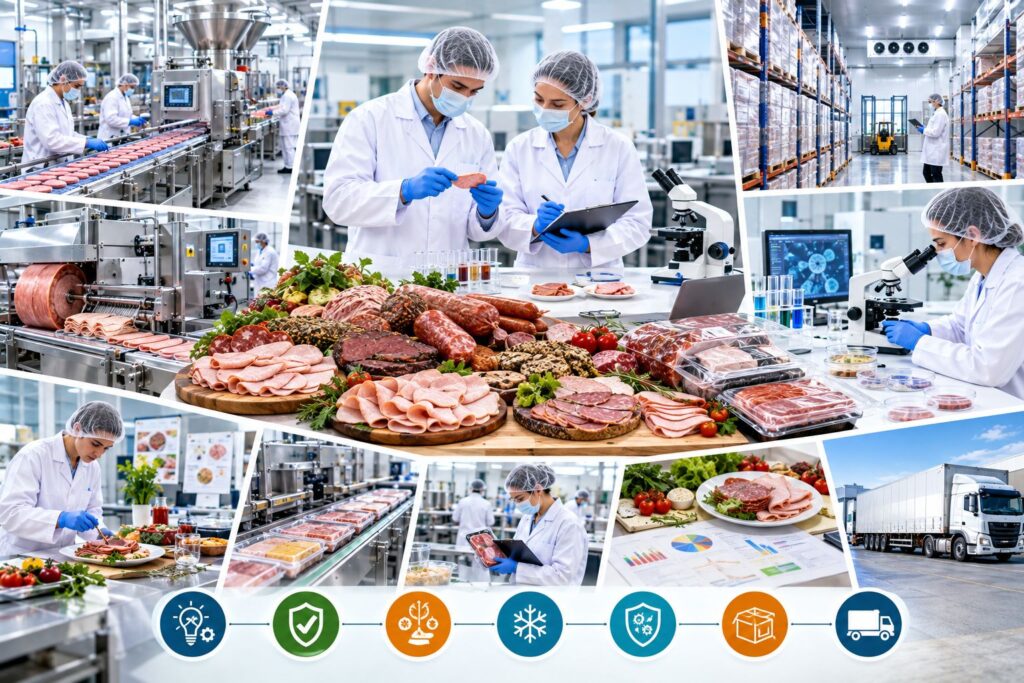
Cold cuts production facility with food technologists, quality testing, and cold-chain management
FFCE

Trusted Cold Cuts Production Consultants

Food consultants play a key role in producing cold cuts since they advance product innovation, ensure proper quality control, and refine nutritional profiles to meet customer needs. To maintain the freshness of products and comply with the food safety laws, these consultants help companies manage their cold chains. By knowledge, food consultants ensure that a company manufactures safe, good-quality, and marketable cold cuts that satisfy a health-conscious consumer and that meet industry standards. Introduction One such expanding market is the use of cold cuts, increasing as consumers increasingly demand the use of quicker, convenient prepared foods. Cold cuts such as ham, turkey, salami, and pastrami have increasingly come into staple diets due to flexibility, practicality, and ease. Competitions on innovative demands due to consumer preferences result in companies needing to increase focus on cleaner, healthier products and more sustainable products while retaining quality and taste. It is in this regard that food professionals who specialize in cold cuts production, such as those from FFCE, Frontline Food Consultants & Engineers become helpful. They are instrumental in helping companies ensure the satisfaction of consumers by upholding quality, safety, and nutritional standards while producing cold cuts. Products developed 0 + Years experience 0 + Countries served 0 + Clients served 0 + The Importance of Cold Cuts Production For many years, cold cuts have been a favourite of busy consumers who want to have convenient, easy meals. However, consumers increasingly demand cleaner, healthier alternatives such as nitrate-free products, low-sodium alternatives, or even plant-based deli meats, with growing health awareness. To meet the changing needs, manufacturers must change their manufacturing process to produce innovative, superior products that will meet the consumer’s expectations for both taste and nutrition. Creating cold cuts is a process that must consider the variables of cold chain management, food safety, quality assurance, and recipe development. Businesses can overcome these with the help of experienced food consultants, ensuring that their products are not only in line with industry standards but also distinct in a crowded market. How Food Consultants Enhance Cold Cuts Productio Developing New Products and Recipes Innovation is spurred by the food consultants by developing novel, interesting cold cut Flavors that cater to shifting consumer tastes. To satisfy health-conscious customers, they help companies create plant-based substitutes, low-sodium options, and improved versions of traditional recipes that guarantee excellent flavour, texture, and shelf life. Assurance and Quality Control There’s an importance to maintaining high, constant standards of production. To ensure quality regarding taste, texture, and appearance, consultants help the companies establish robust quality control measures. They monitor the entire process of production right from the sourcing to packaging thereby dealing with possible problems such as contamination or spoiling. Optimizing Nutrition Consultants help reformulate the cold cuts to reduce fat and sodium content while maintaining flavour as wellness trends pick up. They also develop the products for specific diets – keto or gluten-free, amongst others – to meet Management of the Cold Chain In production, storage, and distribution, food consultants ensure that cold cuts are safe and fresh. They give advice on freezing techniques, best packaging, and storage strategies to increase shelf life and maintain product quality. Regulatory Compliance and Food Safety To ensure products are safe and compliant, food consultants help companies, such as navigating food safety law through HACCP, in labelling, packaging, and sourcing ingredients to further ensure consumer confidence and the brand’s reputation. Why Choose FFCE for Cold Cuts Production Consultation? One of the prominent companies offering consulting solutions with a concentration on producing cold cuts is FFCE (Frontline Food Consultants & Engineers). Years of expertise in frozen foods have prepared consultants to offer expert knowledge in developing every product in which consumers can be helped. FFCE offers holistic solutions to companies that want to upgrade their cold cuts products from managing the cold chain and ensuring quality to recipe development and nutritional optimization. For any company that wants to innovate and survive in the cutthroat cold cuts market, they are a vital partner because of their deep knowledge of consumer preferences, market trends, and regulatory requirements. Conclusion The production of cold cuts is a complex process requiring knowledge of cold chain management, food safety, quality assurance, and recipe development. These companies can overcome such barriers and remain competitive by collaborating with such credible food consultants as FFCE. Food consultants play an important role in providing critical support in all phases of the production process-from new flavours to enhanced nutritional profiles and safety regulation compliance. Businesses can ensure long-run success in the market with FFCE’s experience if producing creative, superior cold cuts satisfying customers’ demand and higher than the industry standard can be achieved.

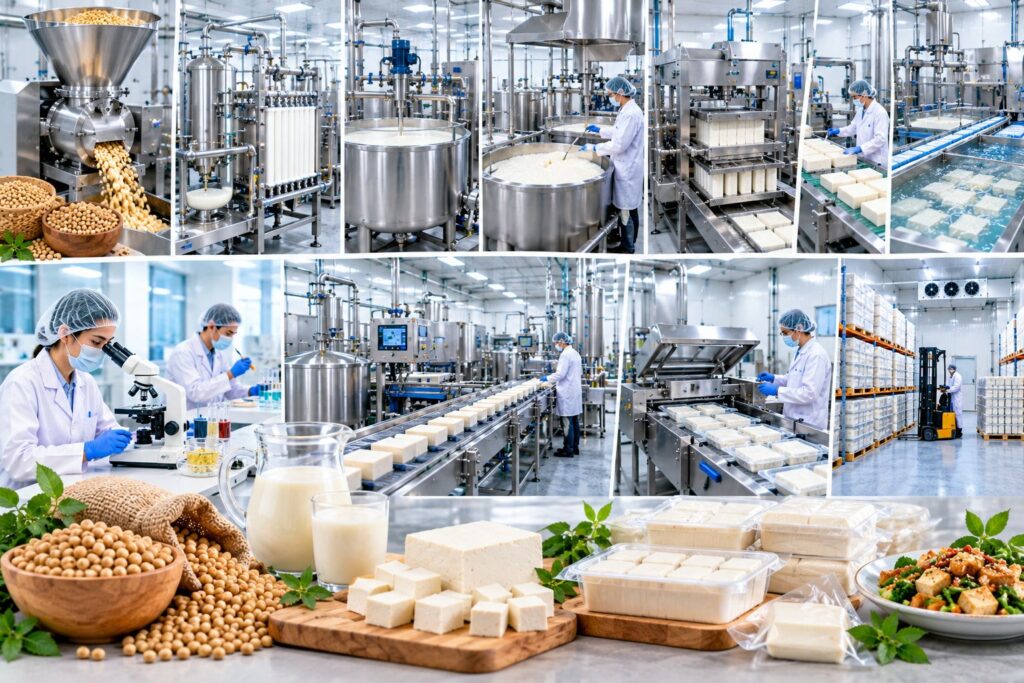
Soya paneer tofu manufacturing unit with soy processing and packaging equipment
FFCE

Brief about SOYA PANEER (TOFU) manufacturing unit

Tofu, also known Soya Paneer is a food prepared by soy milk it can be silken, soft, firm, or extra firm. Beyond these broad categories, there are many varieties of tofu. Soya paneer is commonly called as Tofu. Tofu is also Gluten free product. Products developed 0 + Years experience 0 + Countries served 0 + Clients served 0 + Brief about the process: Raw Material Requirement: Soya bean Citric acid Manufacturing Process The initial stage involves the cleaning, sorting of the Soyabean followed by dehulling and soaking at room temperature. After soaking the weight of original soyabean becomes double, the split (dehulled beans) are ground in hot water in proportionate ratio and filtered to get milk. The milk is then cooled & citric acid solution is added with slow stirring. Preparation of soy curd & then it is pressed in paneer making boxes to get final product & then cut into pieces of approx. Desired size and put in cold water for another 30 minutes. Vacuum packed tofu should always be kept in the fridge and after unpacking, immersed in water. Plant & Machinery: 1.Soya bean Grinder & milk separator 2. Soya milk sterilizer 3.Hot water boiler with heating option 4.Tofu (Paneer press machine) 5.Vacuum packing machine Add Your Heading Text Here The Health Benefits & Nutrition of TOFU Key Steps in Setting Up a Tofu Manufacturing Business: Market Research: Identify consumer preferences, market demand, and competition. Business Plan: Developing a detailed plan stating goals, strategies, and financial projections. Sourcing Ingredients: Identifying good sources of high-quality raw materials. Production Facility: Equipping a facility with necessary equipment and adhering to food safety standards Market Trends: Role of Consultants in Setting Up Market Analysis: Provides insight into the market trends and consumer behavior.Regulatory Compliance : It is always important to comply with food safety and industry regulationsObtain the GST registration.Additionally, obtain the Udyog Aadhar registration Number.FSSAI License.Choice of a Brand Name of the product and secure the name with Trademark if required.Marketing Strategies: Design effective marketing campaigns that build brand awareness and enhance sales. List of key players in Tofu Market Invigorate Foods Hain Celestial House Foods Group Inc. Hugli Holding Company Morinaga & Company Pulmuone Co., Ltd The Nisshin Oillio Group, Ltd. San Jose Tofu Tofurky Eden Foods Conclusion: Growing demand for tofu is its predominant usage as a high protein source and vegetarian alternative to meat and dairy products. Tofu is incorporated in the preparation of a variety of foods such as burgers, hot dogs, sauces, ice creams, shakes, and desserts among others. Growing consumer preference for premium products is anticipated to significantly impact the demand for organic tofu.

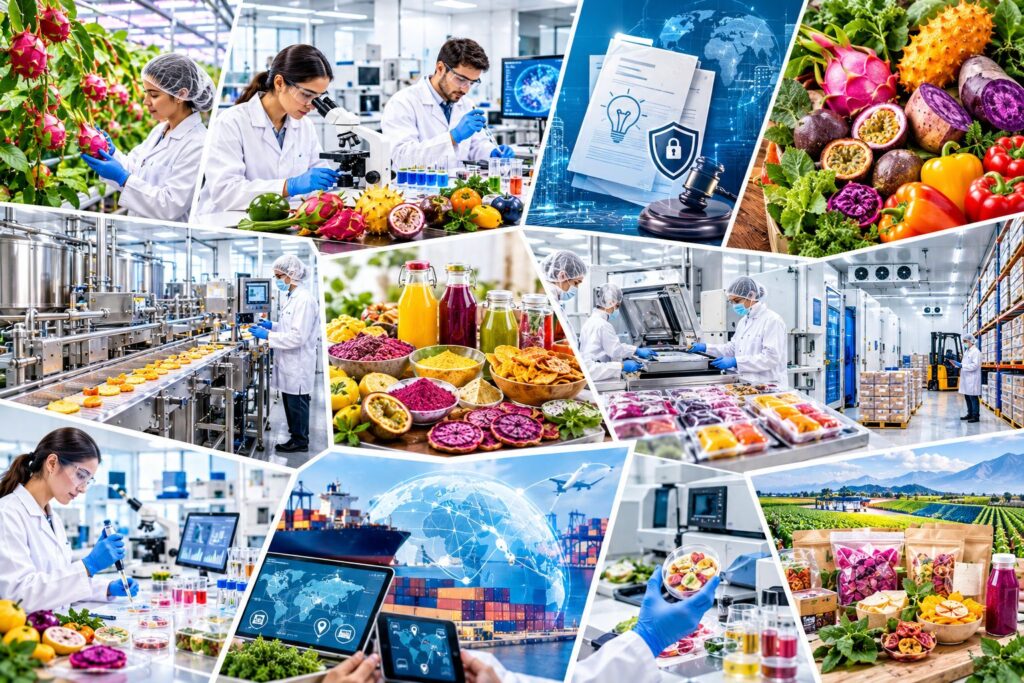
Exotic fruits and vegetables technology, patent research, processing and preservation
FFCE

An Overview of the Trend for Patenting Exotic Fruits and Vegetables: Technological Perspective

Increase in appetites for exotic fruits and vegetables has motivated new cultivation, processing as well as preservation techniques leading to a large influx of patent applications. Genetic modification, advanced packaging, and storage solutions not only play a vital role in ensuring the availability and quality of these products, but also allow companies and researchers to work on patented methods to improve yield, improve the storage, and retain nutritional value. Consultants facilitate businesses through the logical property process whilst aligning their innovations to the needs of market. Introduction Exotic fruits and vegetables such as dragon fruit, kiwano, and purple yams, are gaining fame due to their unique flavours, nutritional benefits, and aesthetic appeal. Technological innovation initiatives for development through better production, processing, and distribution. Therefore, companies patenting methods and products to secure intellectual property rights have increasingly done just that. It reflects the industry’s attempts to solve issues such as perishability, seasonality, and difficulties in cultivation. Products developed 0 + Years experience 0 + Countries served 0 + Clients served 0 + Brief About Process: 1.Cultivation techniques: Utilization of genetic modification and controlled environment agriculture to increase yields and adaptability to many climates. 2.Processing innovations: Development of freeze-drying, vacuum-sealing, and pulsed electric fields to maintain flavour, texture, colour, and nutritional value. 3.Preservation and Packaging: Modified atmosphere packaging (MAP) and other advanced packaging techniques to prolong shelf life and combat spoilage. 4.Traceability Systems: The use of blockchain and IoT technology for supply chain visibility and quality control measures. 5.Value-Added Products: Exotic fruit powders, juices, and functional snacks development through innovative processing. Key Points in the Process 1.Genetic Enhancement Modifying plants using pest Control, deficiency tolerance, and enhanced nutritional content using scientific techniques. 2.Eco-Friendly Solutions Developing supportable techniques of cultivation and processing to minimize the Bad impact on the environment. 3.Optimizing Supply Chains Using technology to reduce post-harvest losses and efficiently deliver produce across their markets. 4.Consumer-Centric Design Packaging and branding done with aesthetics in consideration to reach health-focused and adventurous consumers. 5.Quality Assurance Aim to ensure that all technological processes that sustain the quality and freshness of exotic produce are patented. Market Trends 1.Growing Health Awareness Exotic fruits and vegetables are now known to have high antioxidant capacities, imparting vitamins and other health benefits to many consumers. 2.Functionality Becoming Accepted Exotic produce is often used as an ingredient in functional food or beverage products to boost the value. 3.Sustainability-Driven Innovations Patented technologies tend to greatly reduce water and pesticide usage in exotic production. 4.Demand for Year-Round Availability Progress in refrigeration and storage methods eliminates seasonal constraints. 5.Globalization of the Food Trends Exotic fruits and vegetables have become global icons in haute cuisine, which contributes to demand worldwide. Role of Consultants 1.Patent Strategy Development Assist businesses in filing patents for proprietary technologies in exotic produce. 2.Process Optimisation Advice on production-processing-packaging for improved product quality. 3.Market Analysis Identifying consumer trends and advising companies on product development. 4.Assistance with Regulation Compliance with intellectual property rights and food safety considerations. 5.Sustainability Expertise Providing advice on adopting eco-friendly initiatives without sacrificing profitability. Conclusion The increasing interest in exotic fruits and vegetables is reforming the agriculture and food technology scene. Innovations in cultivation, processing, and preservation are fundamental in meeting global demand with quality and sustainability. The enormous surge in patent approval demonstrates the industry’s enthusiasm for ensuring proprietary technology awarded a competitive edge. The advisors can successfully guide them in overcoming the challenges facing patenting, market trends, and sustainability so that they settle successfully into this competitive and growing field.

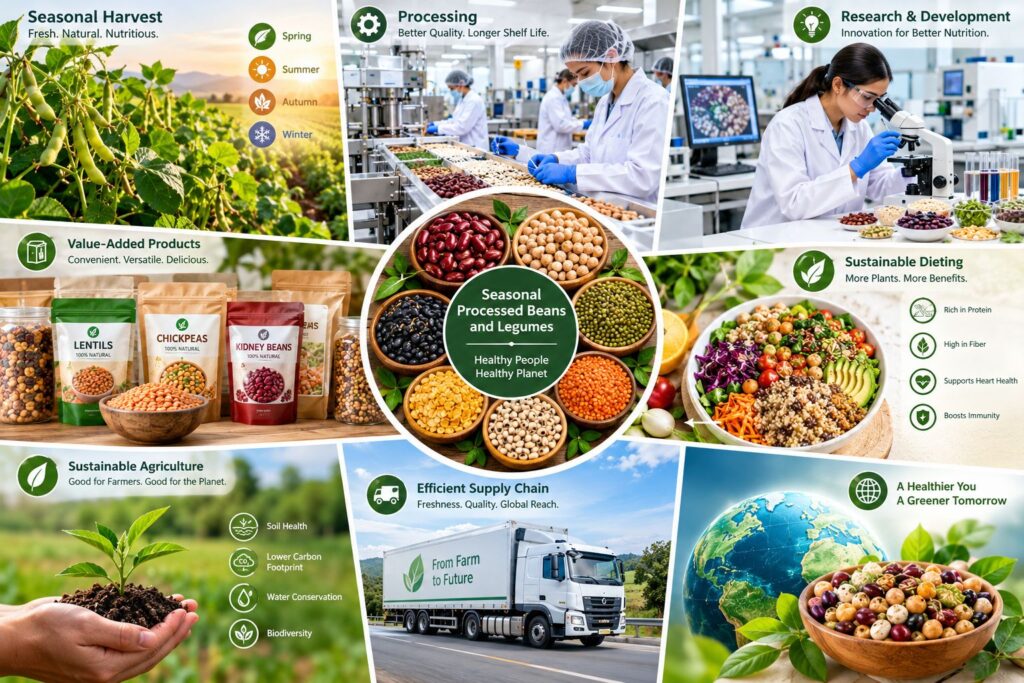
Seasonal processed beans and legumes for sustainable dieting
FFCE

The Role of Seasonal Processed Beans and Legumes in Sustainable Dieting

Legumes and seasonal beans offer a great nutritional potential and lesser environmental impacts, as opposed to animal protein sources. Their traditional processing methods enhance digestibility and shelf life without compromising on quality. These food sources soak up the growing interests in plant-based eating and sustainable food systems. Otherwise, consultants help the food industry in adopting cutting-edge techniques and aligning with market trends to promote legumes as a sustainable dietary option. Introduction With climate change and health problems arising worldwide, legumes and seasonal processed beans are now integral foods for sustainable diets. They consist of key nutrients like protein, fibre, vitamins, and minerals; examples include lentils, chickpeas, and black beans; therefore, they are a very nutritious and low-cost replacement for meat. They have low carbon footprints, enhance nitrogen-fixing in soils, and adapt well to heterogeneous climates. Further, processing enhances their usability and versatility for modern diets. Products developed 0 + Years experience 0 + Countries served 0 + Clients served 0 + Brief About Process 1.Harvesting and Sourcing The seasonal legumes are harvested at optimal maturity and sorted according to quality. 2.Cleaning and Pre-Treatment The beans are cleaned and soaked to reduce the antinutritional factors to enhance digestibility. 3.Processing Techniques Some of the steps involved in preservation of quality and extending shelf life include fermentation, sprouting and canning. 4.Packaging and Distribution Environment-friendly Packaging minimizes waste thereby keeping the product fresh during carbonation. 5.Preparation by Consumer Legumes of either ready-to-cook or pre-cooked nature make the concept more palatable and easily consumable for users. Key Points to the Process 1. Improved Digestibility The processing reduces complex carbohydrates and antinutritional substances such as tannins and phytates. 2. Nutritional Retention  Sprouting and fermentation enhance the bioavailability of major nutrients. 3. Convenience Processed beans, For Example, canned or frozen varieties, facilitate easy meal preparation. 4. Sustainability It uses low water and energy in its production and processing, thus allowing environmental conservation. 5. Waste Reduction Efficient processing means less food waste and the support of circular economy principles. Market Trends 1. The Rise of Plant-Based Diets Consumers prefer legumes as the primary source of protein, driven by health and ethical reasons. 2. Functional Foods Legumes are very much used in fortified foods, snacks, and protein supplements. 3. Environment Friendly Packaging Biodegradable and recyclable(PET) packaging for legumes corresponds to consumer demands for sustainability. 4. Innovation on Products RTE (Ready To Eat) legume meals, plant-based meat alternatives, and dairy substitutes are gaining traction. 5. Expansion in World Trade Trade has risen in exotic and traditional legumes, catering to different culinary preferences. Consultants’ Roles 1.Optimizing Processes Providing consultancy services on effectively boosting nutrient retention and minimizing processing costs. 2.Sustainability Strategies Promoting eco-friendly cultivation and processing practices for legumes. 3.Market Positioning Advising brands on innovative product development and positioning for health-conscious consumers in the marketplace. 4.Regulatory Compliance To help ensure compliance with food safety and labelling standards in global markets. 5.Education and Awareness Carrying out campaigns with consumers to enlighten them on why legumes should be in sustainable diets. Conclusion The place of legumes and seasonally-processed pulses within sustainable diets provides exceptional nutrition and environmental advantages. Innovative processing can also allow these versatile foods to meet present-day demands of consumers, and nurture our green planet. With the help of consultants, processing firms can optimize processes, adhere to sustainability goals, and respond to new market trends. Working with legumes in average diets takes a substantial step toward a more healthful and sustainable food future.

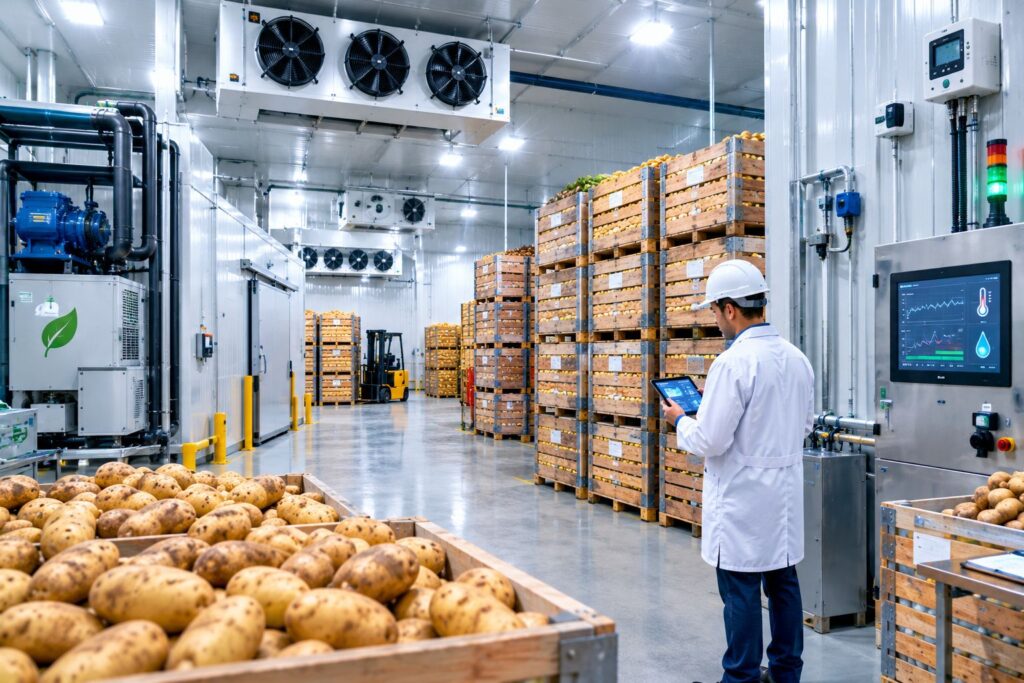
Potato cold storage facility with refrigeration and temperature monitoring systems
FFCE

Effect of Design of Potato Cold Storage Structure and Role of Food Machine Experts

In this light, the design of potato cold storage structures has a significant impact on the quality, shelf life, or marketability of potatoes. Effective cold storage is undertaken by temperature control, humidity control, and ventilation. The application of modern food machinery leads to the possibilities of energy efficiency, reduction of post-harvest losses, and maintenance of product quality. Food machine experts are very important and are involved in process design, execution, and optimization of cold storage systems according to the needs of the industry and the consumers. Introduction Potatoes are other main crops grown and eaten around the world, prized for their utility and nutritional benefits. However, improper storage would lead to spoiling, losing weight, or degradation of quality. Cold-storage structures help prolong post-harvest operations. The design features directly affect the efficiency of storage operations, cost of operating facilities, and quality of produce. Employing such advanced machinery or experts in food technology is essential to enhance the storage capabilities and establish sustainable operations. Products developed 0 + Years experience 0 + Countries served 0 + Clients served 0 + Designing Potato Cold Storage Structures(Process) 1.Site Selection and Building Layout Location should be easily accessible from road and other utilities. Construction should aim at optimum utilization of space available. 2.Temperature and Humidity Control Such installations allow one to control both temperature and humidity and are also designed to prevent sprouting of potatoes and wilting of the leaves. 3.Ventilation Systems Proper aeration to maintain even cooling and to prevent condensation. 4.Insulation and Energy Efficiency Use of any material which has a good thermal resistance so as to save energy. 5.Monitoring and Automation Integration of sensor controls and automatic process control technologies for efficient and real-time monitoring of storage conditions. Key Points Of The Process 1. Maintaining the Ideal Temperature Storage temperature between 2°C to 4°C is maintained to avoid spoilage and prolong shelf-life. 2. Humidity Regulation The relative humidity is maintained between 90 and 95 percent so that shrinkage does not occur and tuber quality is maintained. 3. Planning for Storage Capacity Designing the buildings for average storage capacity while allowing for adequate airflow. 4. Ventilation Efficiency Use energy-efficient fans, ducts, and air circulation to control temperature. 5. Sustainable Operations Use green technologies and advanced insulation materials to minimize environmental footprint. Market Trends 1. Demand for Processed Potatoes Increasing the cold storage for frozen and other processed potato products per supply chain requirement. 2. Focus towards Preservation Rising consumer expectations for high-quality produce drive the research and development activity for food storage technology. 3. Energy-Efficient Solutions Adoption of energy-efficient machinery and sustainable practices in cold storage operations. 4. Automation and IoT Integration Implements IoT enabled devices for monitoring the storage condition with real-time adjustments. 5. Global Potato Trade Expansion Increasing capacities of cold storage have led to easier exportation of potatoes to worldwide destinations. Role of Food Machine Experts 1. Design Optimization Guidance on selecting and installing machinery for effective temperature and humidity control solutions. 2. Technological Integration Installation of automatic control and monitoring systems for precision and efficiency. 3. Energy Efficiency Solutions Recommending energy-efficient equipment and insulation materials to reduce operational costs. 4. Maintenance and Upgrades Carrying out regular maintenance services and suggesting upgrades that will improve storage performance. 5. Training and Assistance Train the staff in efficient operating and maintaining techniques of the latest machinery. Conclusion The cold storage of potatoes is the linchpin of diminishing the post-harvest losses as well as retaining the quality of produce during storage. The cutting-edge technologies along with appropriate mechanical appliances assist to achieve optimum storage conditions. Professionals in the field of food machine technology are principle players involved in the design, construction and supervision of the systems while conforming to the applicable industry regulations and sustainability initiatives. Accepting novel solutions and professional guidance will enhance profitability and minimize waste, while effectively serving world demand for potato products.

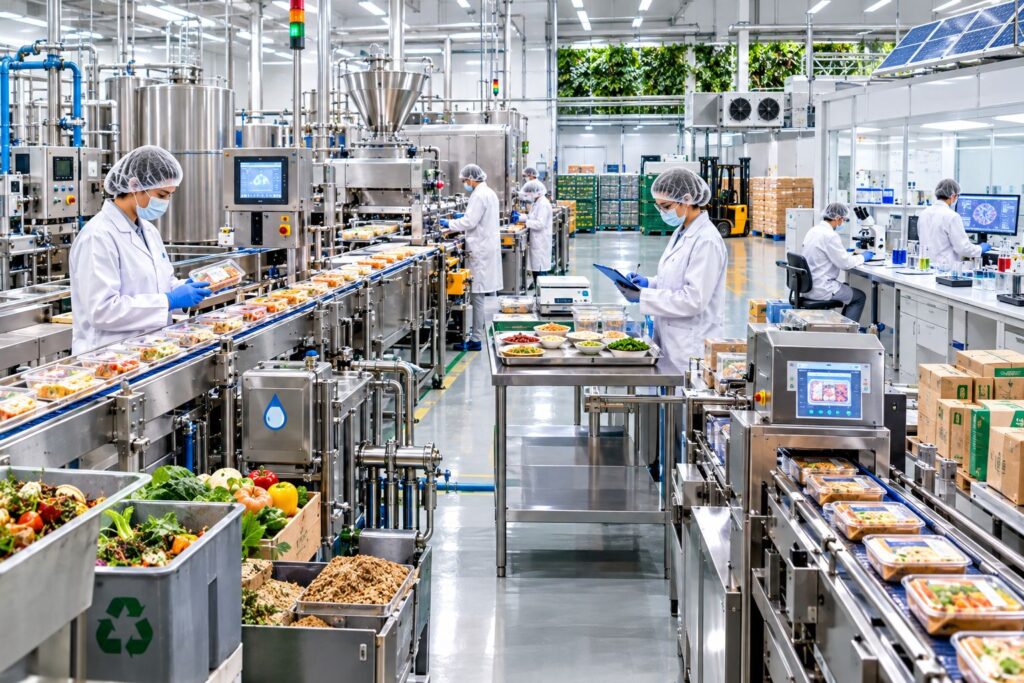
Food processing facility with food safety, quality testing, and sustainable production systems
FFCE

How can Food Experts Ensure Food Processed Products are Safe, of Good Quality and Sustainable?

Making food products safe, good quality, and sustainable is important to satisfy what consumers want and to meet rules. Food experts are very important in reaching these goals by using new technologies, following safety rules, improving production methods, and encouraging eco-friendly practices. Their knowledge helps companies provide better products while lowering the harm to the environment and cutting costs. Introduction Consumers in the contemporary food experts demand safe, quality, and environmentally friendly products. Therefore, these qualities need to be achieved through various factors to balance innovation, efficiency, and sustainability in meeting consumer expectations. In such a scenario, food experts have played a crucial role in modernizing technologies, streamlining manufacturing processes, and meeting high standards of safety and quality. Their involvement in these processes ensures that the final processed food products exceed the market’s expectations. Products developed 0 + Years experience 0 + Countries served 0 + Clients served 0 + Process of Improving Food Safety, Quality, and Sustainability Food experts solve problems in food processing with utmost care. They do this by using new technologies, setting up systems to manage quality, and encouraging sustainable practices. Their method includes checking for hazards, improving processes, and using eco-friendly technologies to enhance the product’s entire life cycle. Key points in the process Food Safety Management Incorporating HACCP for risk identification and prevention. Real-time monitoring technologies, such as IoT sensors for contamination detection. Compliance with international food safety standards like ISO 22000 and FDA regulations. Quality Enhancement Use of advanced processing techniques like ultrasound, high-pressure processing, and cold plasma treatments for nutrient retention and flavour preservation. Strict testing of quality control; sensory, chemical, and microbiological. Optimizing packaging for prolonged freshness and extended shelf life. Sustainability practices Reducing waste through development and utilization of raw materials as well as recycling of by-products. Reducing energy and water consumption through renewable energy integration and application of sophisticated technologies. Support for green packing methods, like biodegradable or recyclable materials. Training and Capacity Building Providing training to enfilading on safe working and production practices in sustainable processes and technology. Honors a culture of relentless improvement в food processing units. Market Trends In Food Safety And Quality Clean labelling: This melting-pot of global consumers is asking for products with minimum processing and transparent labelings. Sustainable sourcing: Brands that responsibly and ethically source their ingredients are most preferred among the consumers. Integration of technologies: Adopting new technologies like Incorporation of IoT and AI to enhance safety and quality while reducing resource consumption. Circular economy: Septate to include more emphasis on reusing byproducts and limiting food loss/reducing food waste at the production cycles. Health-centric innovation: The building of functional foods and fortified foods catering to health-driven consumers. Function of Consultants: 1.Process Optimization Advising on sourcing advanced technologies to improve efficiency and product quality. 2.Regulatory Compliance Guiding companies to comply with international safety and sustainability standards. 3.Sustainable Strategies Plans to reduce waste and implement energy-efficient solutions. 4.Product Development Facilitating the introduction of new health-conscious and environment-friendly food products into the marketplace. 5.Market Positioning Assisting brands in linking current products to market trends for competitive advantages. Conclusion Improving the safety, quality, and sustainability of processed food products is a multifaceted endeavour requiring the thorough expertise of food professionals. Following the application of advanced technologies, processes optimization, and the enforcement of sustainable practices, food experts arrive at workable solutions that enable businesses to offer consumers what they want without compromise to government regulations. Such efforts not only contribute towards integrity in product quality, but also serve environmental and economic sustainability in a long-term sense for a resilient and futuristic food processing industry.

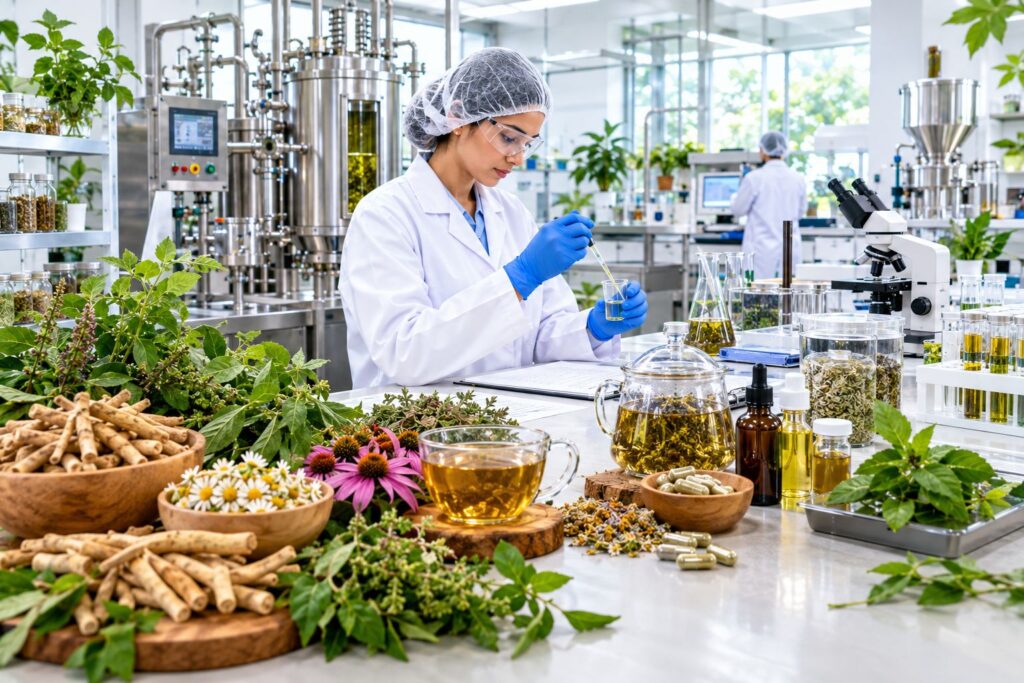
Herbal research facility with botanical ingredients, extraction, and laboratory testing
FFCE

Extraordinary Herbs to Eliminate Anxiety and Problems in the Immune System

Herbs are traditionally used within a whole gamut of medical systems to treat anxiety and raise immunity. Natural, holistic herbs like ashwagandha, chamomile, echinacea, and Tulsi, or holy basil belong to the ever-growing group of herbs said to be adaptogenic and immune-modulating. These herbs in daily life allow addressing mental and physical health troubles along with a more balanced way of life. Growing demand will be an impetus for experts to contribute to product development, formulation, and quality assurance. Introduction Herbs treat both anxiety and immune system problems because of their phytochemical action upon the body and how they balance the functioning of different body systems. The process involves the identification of suitable herbs for certain ailments, extraction of bioactive compounds, preparation in the form of teas, capsules, tinctures, or topical applications. It highly depends on specialized processing to make the products as safe and efficacious as possible. Products developed 0 + Years experience 0 + Countries served 0 + Clients served 0 + Key Points of the Process Herb selection Ashwagandha within The class of adaptogens lowers cortisol, acts against stress, and improves immunity. Chamomile has both calming effects and helps to relieve anxiety and insomnia. Tulsi (Holy Basil) increases immunity response and reduces stress and inflammation. Echinacea enhances the immune defences against and prepares against colds and infections. Extraction and processing make website blog feature image in landscape for this title ” Extraordinary Herbs to Eliminate Anxiety and Problems in the Immune System” Formulation Combining complementary herbs for their synergistic effect—such as ashwagandha with Tulsi formulation for addressing anxiety and strengthening immunity. Convenient to consume—like tea, capsules, or gummies. Quality Control Testing in laboratories to ensure potency, safety, and freedom from any toxins, such as heavy metals or residues from pesticides. Market Trend 1.Growing Interest: Consumers widely prefer natural remedies to synthetic ones for anxiety and immunity issues. 2.Functional Foods: Herbal teas, infused waters, and herbal snacks as simple wellness choices are trending. 3. Customization: Very personalized herbal blends are what consumers say they desire. 4. Scientific Research: Increased confidence in herbal efficacy with scientific basis as clinical trials and studies are emerging. 5. Sustainable: Ethically sourced and environmentally friendly herbal products have become popular. Role of Consultants Herbal Expertise Identifying the most efficacious herbs and proper dosages for specific health concerns. Advised on sustainable sourcing and ethical harvesting practices. Product Development An outspoken assistant to formulate interesting and novel products such as herbal gummies, sprays, and skincare products. Regulatory Guidance Ensuring that food and dietary supplement regulations of the countries across the globe are complied with. Consumer Education Campaigns of raising awareness about the benefits of and proper safety standards for consumers of herbal remedies. Market Strategy Enabling brands to position effectively their herbal products in the competitive marketplace. Conclusion Herbs afford a viable answer to both managing anxiety and strengthening the immune system. The very fact that they have numerous natural compounds offers a big reliance upon holistic curative possibilities, something that figures high in modern-day times. With expertise in herb selection, processing, and product development, these natural remedies can get further accessible and genuinely effective for more masses. Putting its faith into herbal solutions doesn’t only support health but also stands for sustainable and environment-friendly choices in healthcare.

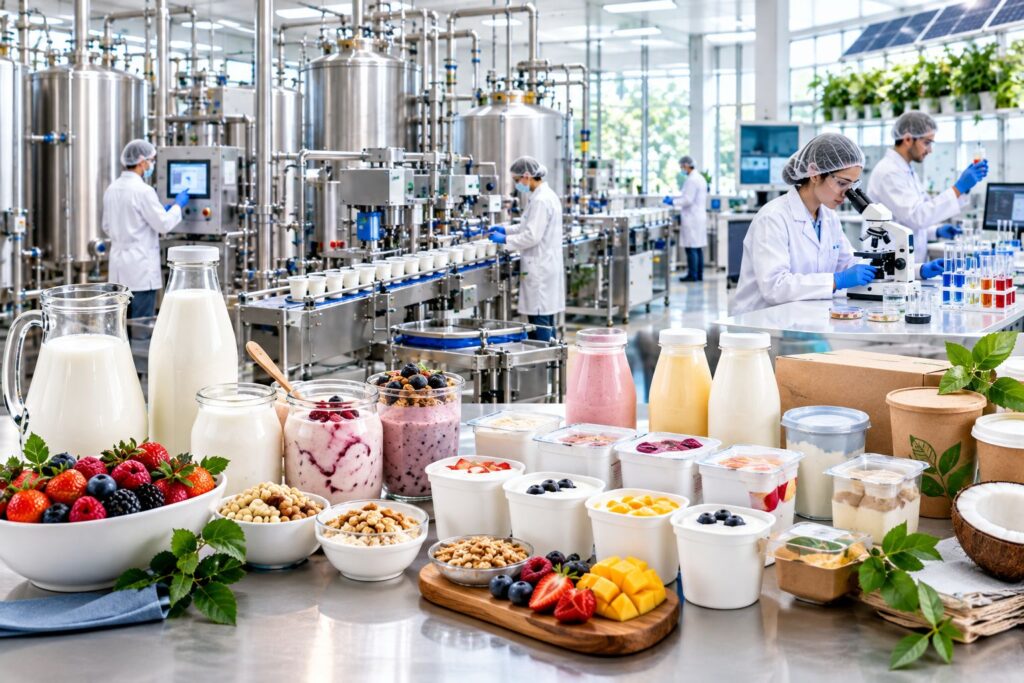
Yogurt manufacturing facility with dairy processing and quality testing equipment
FFCE

Importance of Yogurt within the Dairy Industry

Yogurt is important in the dairy industry for its complete nutrition, versatility, and the increasingly expanding health-conscious world consumer base. Being rich in probiotics, yogurt aids in digestion and boosts immunity; hence, it has become essential in many diets worldwide. The process involves fermentation by specific bacterial cultures, and this leads to a creamy, tangy product that can be customized for the ever-diversifying consumer. With changing trend in market Focus on health , sustainability, and innovation, yogurt is still one of the largest growth and innovation contributors to the dairy industry. Introduction Yogurt is one such old product that is turns into one of the most desirable product in the world food market. The great nutritional base, technological versatility, and health benefits related to probiotic consumption introduced the attention of yogurt. As time has progressed, lifestyles have driven changed consumer behavior, and convenience with nutritious has created a definite market platform for yogurt with numerous options for innovative market contestants. Products developed 0 + Years experience 0 + Countries served 0 + Clients served 0 + Process of Yogurt Making The successful making of yogurt is the delicate process of transforming raw milk, fermentation, salt, or fruit, into a creamy and somewhat acidic product. Some steps involved are: Milk preparation: Fresh milk is standardized to the desired levels of fat and protein. Pasteurization: The intention is to kill any harmful bacteria and provide a suitable media for the culture itself to grow. Homogenization: To produce an Stable consistency and to prevent cream separation, Homogenization Process is important. Fermentation: The fermentation started by the introduction of lactic acid-producing organisms into the milk-often Lactobacillus bulgaricus and Streptococcus thermophilus. These perform the fermentation of lactose to lactic acid, thickening the milk and conveying the characteristic sour taste. Cooling and Packaging: After the fermentation process completed, the yogurt is cool down to stop fermentation. Then it is processed and packaged into different Types, For Example: plain, flavoured, or drinkable. Key Steps in Process Quality of the Ingredients In order to produce quality yogurt, production needs to begin with high-quality milk and cultures. Flavor Customization Customization would be done by adding fruits, nuts, or sweeteners for the satisfaction of the different tastes and preferences of consumers. Texture Innovation Ultrafiltration methods are available for the improvement in creaminess and protein content in premium-type varieties. Probiotic Enrichment Live and active cultures would impart additional health benefits on the market. Sustainable Practices Use of energy-efficient processes and eco-friendly packaging would allow brands to meet their sustainability aims. Market Trends Health Consciousness Probiotic function and nutritional benefits of yogurt attract many health-conscious consumers. Functional or Fortified Yogurt These are products fortified with vitamins, minerals, and proteins of particular dietary needs. Plant-Based Non-dairy options of yogurt such as almond, or oat-based ones, have gained respectable popularity in recent years. On-the-Go and Convenience Products Products such as drinkable yogurt and single-serve portions fit busy lifestyles quite easily. Sustainability Determined Consumers are increasingly attracted towards Name of brands that evolve on the side of decent sourcing and Environment friendly packaging. Role of Consultants Product Development They assist in creation of novel flavors, textures, and fortified products for the requirements of the market. Process Optimization Use techniques adopted in production for effectiveness and cost cutting. Regulation Compliance Adhere to standards in now and worldwide dairy products. Market Strategy Identify emerging trends and provide branding and positioning recommendations to manufacturers. Sustainability Consulting Advice on practices for minimizing waste and sourcing packaging that is environmentally friendly. Conclusion The importance of yogurt within the dairy industry is, however, unmatched as it is a staple food that is high in nutrition and health benefits, and its versatility also attracts considerable consumer demand. Yogurt is a real economy and leads innovations with functional ingredients, environmental sustainability practices, and different forms of products. Working alongside consultants, dairy businesses embrace the real potential of yogurt to satisfy a need in the market landscape and retain a competitive edge in sustaining its relevance in the global food market.

Scroll to Top

Your Trusted Food-Tech Partner Simplifying Solutions, Maximising Success

    Your idea is 100% protected by our Non Disclosure Agreement

    What is Refresh icon

    Your Trusted Food-Tech Partner Simplifying Solutions, Maximising Success

      Your idea is 100% protected by our Non Disclosure Agreement

      What is Refresh icon

      Your Trusted Food-Tech Partner Simplifying Solutions, Maximising Success

        Your idea is 100% protected by our Non Disclosure Agreement

        What is Refresh icon

        Powering your food business forward