
FFCE

Now Hiring: Are you a driven and motivated 1st Line Food Technologist?

Author name: Admin

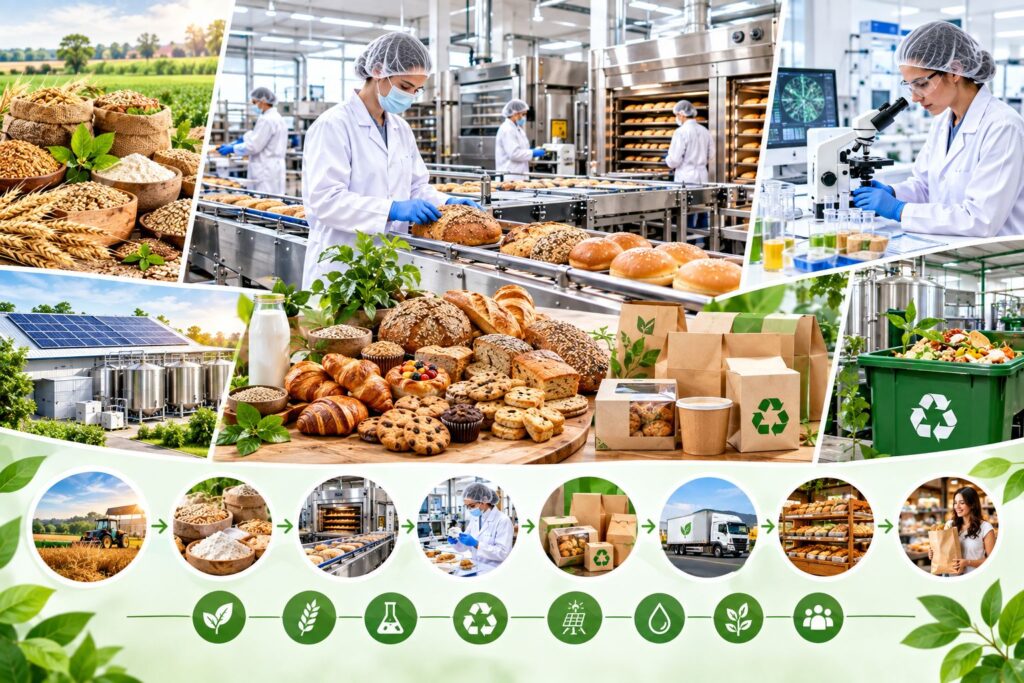
Sustainable bakery production with eco-friendly packaging and energy-efficient processing
FFCE

How the Bakery Industry Changing To Comply With New Consumer Trends On Sustainability

The bakery industry is evolving to meet consumer demands for sustainability by adopting eco-friendly practices, reducing waste, and utilizing sustainable packaging. These changes are driven by shifting market trends, regulatory pressures, and environmental awareness. With the support of technology and expert consultants, bakeries are aligning operations with sustainability goals to enhance their competitiveness. Introduction As sustainability becomes a key priority for consumers, the bakery industry is taking proactive steps to align with these expectations. Incorporating sustainable practices not only addresses environmental concerns but also boosts brand reputation and meets regulatory requirements. This shift marks a significant transformation in how bakeries operate, source ingredients, and package products. Brief About the Proces Sustainability in the bakery industry involves reducing environmental impact across the supply chain. Key actions include sustainable ingredient sourcing, energy-efficient production methods, waste reduction, and transitioning to eco-friendly packaging. These changes require strategic planning and collaboration with industry experts Key Points of the Process Sustainable Ingredient Sourcing:- Opting for local, organic, and responsibly farmed ingredients. Energy-Efficient Practices:- Upgrading to energy-efficient equipment and integrating renewable energy sources. Waste Reduction:- Minimizing food waste through improved inventory management and recycling practices. Eco-Friendly Packaging:- Shifting to recyclable, compostable, and biodegradable packaging materials. Digital Tools for Optimization:- Utilizing technology to streamline production and reduce resource usage. Market Trends Plant-Based Baking:- Increasing demand for vegan and plant-based options. Transparency in Production:- Consumers prioritize traceability and clear labelling. Zero-Waste Initiatives:- Growing emphasis on waste-free production processes. Minimalist, Clean Labels:- Preference for simple, natural, and recognizable ingredients. Role of Consultants Sustainability consultants are instrumental in guiding bakeries through the transition. They help navigate regulatory requirements, optimize operations, and implement cost-effective eco-friendly solutions. Their expertise ensures bakeries can achieve green certifications and enhance overall sustainability. Conclusion The bakery industry is embracing sustainability as a response to changing consumer preferences and environmental challenges. By integrating innovative practices and leveraging expert advice, bakeries can meet sustainability goals, appeal to eco-conscious customers, and secure a sustainable future for the industry.
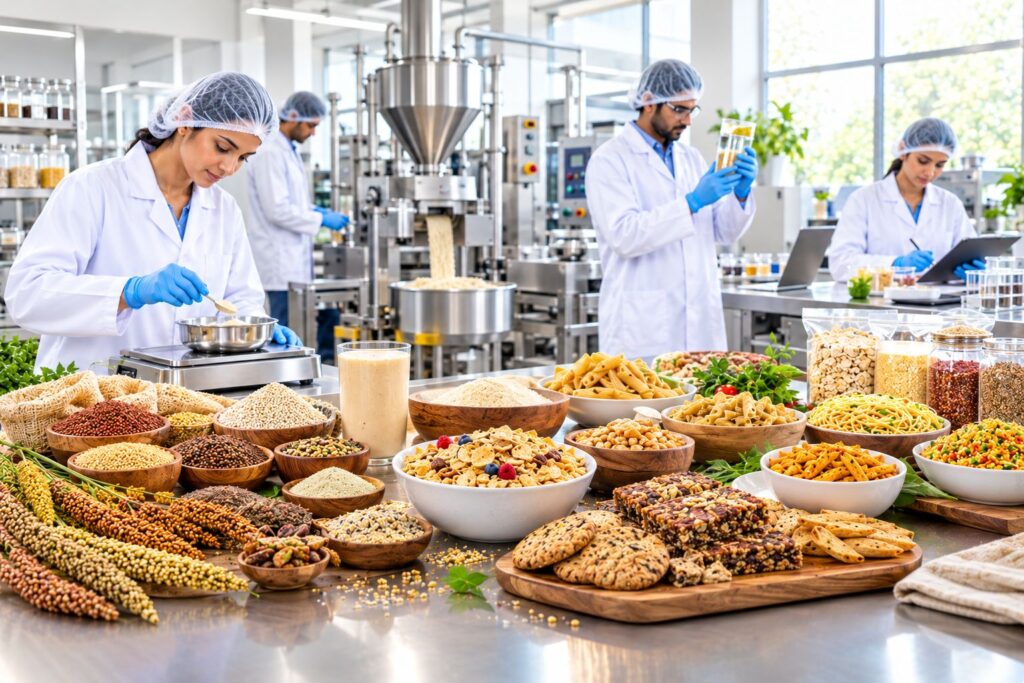
Value-added millet products for a healthy and nutritious diet
FFCE

Value-Added Products of Millets: Contribution to a Healthy and Nutritious Diet

Millets, often termed “Nutri-cereals,” have gained significant attention as a key ingredient for value-added products. Their versatility, nutritional benefits, and adaptability make them an excellent choice for health-conscious consumers. Value-added millet products not only enhance dietary diversity but also contribute to a sustainable and nutritious food ecosystem, supported by evolving market trends and consultancy expertise. Introduction Millets, once considered a traditional staple, are making a comeback due to their exceptional health benefits and resilience to environmental changes. The rise in demand for functional and nutrient-rich foods has propelled the development of value-added millet products. These products offer a modern twist to traditional grains, ensuring a balance of taste, convenience, and nutrition. Brief About the Process Value addition in millets involves enhancing their usability, nutritional profile, and appeal through modern food processing techniques. This includes cleaning, De-husking, milling, blending, and fortifying millets into various innovative products such as flours, snacks, breakfast cereals, and beverages. The process ensures retention of essential nutrients while catering to contemporary consumer needs. Key Points of the Process Processing Techniques Primary processing includes cleaning, De-husking, and milling to make millets consumable and versatile. Secondary processing involves the production of ready-to-eat and ready-to-cook products such as flakes, snacks, and pasta. Nutritional Fortification Enhancing the nutritional value by adding vitamins, minerals, or blending millets with other grains and legumes. Blending with legumes or seeds for protein enrichment and improved amino acid profiles. Innovative Product Development Creating millet-based products like energy bars, cookies, and non-dairy beverages to appeal to modern tastes. Packaging and Shelf-Life Extension Using advanced packaging techniques to ensure product freshness, safety, and longer shelf life. Digital and Traditional Marketing Leveraging technology and branding to reach health-conscious consumers effectively. Positioning millet products as health foods through strategic digital and offline campaigns. Market Trends Increased Demand for Functional Foods Growing consumer interest in nutrient-dense and health-boosting foods has elevated millet-based products’ popularity. Shift to Plant-Based Diets Millets align with the trend of sustainable and plant-based eating, appealing to vegan and vegetarian consumers. Global Acceptance Traditional grains are finding their way into international markets as gluten-free, non-GMO, and organic options. Innovation in Millet-Based Beverages The development of non-dairy drinks and fermented beverages from millets is gaining traction. Role of Consultants Consultants play a pivotal role in the millet value-addition journey. They guide businesses in process optimization, compliance with food safety standards, and innovative product development. Their expertise ensures the scalability and market readiness of millet-based products. Additionally, they assist in branding, marketing strategies, and securing certifications for quality assurance. Conclusion Value-added millet products are redefining the way people perceive traditional grains. By embracing modern processing techniques and aligning with market demands, millets contribute significantly to a healthy, nutritious diet. With the guidance of consultants and a focus on innovation, the millet industry holds immense potential for sustainable growth and global recognition.

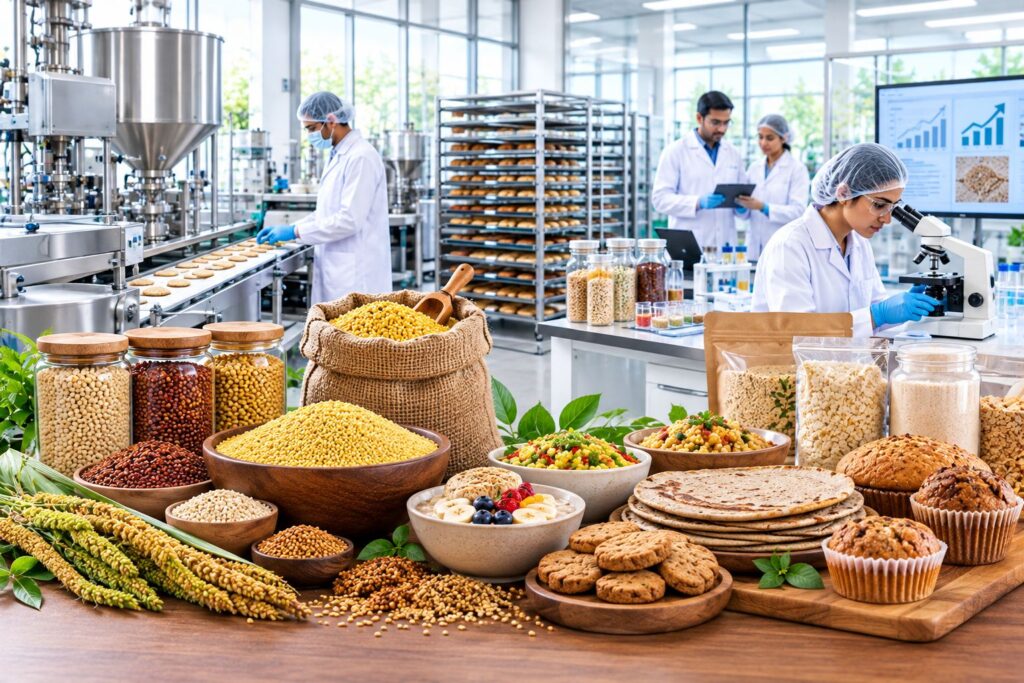
Millet-based products and preservation techniques in modern food processing facility
FFCE

Preservation Techniques for Millet-Based Products and Process Improvement with Expert Assistance

Millet-based products, prized for their nutritional benefits and sustainability, are becoming mainstream in global markets. However, challenges such as short shelf life, spoilage, and nutrient loss require innovative preservation techniques. By combining advanced preservation methods with expert insights, manufacturers can enhance product stability, cater to growing consumer demands, and reduce waste. Introduction Millets, often referred to as “super grains,” have gained attention for their resilience, minimal resource requirements, and health benefits. As these grains are increasingly used in modern food products like snacks, flours, and beverages, ensuring quality preservation is vital. Advanced techniques, tailored to the unique properties of millets, along with expert-driven process improvements, are transforming the industry. Products developed 0 + Years experience 0 + Countries served 0 + Clients served 0 + The Process of Preserving Millet-Based Products Preservation focuses on maintaining the functional, sensory, and nutritional attributes of millets while preventing spoilage and waste. By integrating scientific and technological advancements at every production stage, manufacturers can improve efficiency and product longevity. Key Steps in the Preservation Process Raw Material Handling: Proper cleaning, sorting, and storage of millets to minimize contamination and spoilage. Use of dehulling to enhance shelf stability and reduce antinutritional factors. Innovative Drying Techniques: Transition from traditional drying methods to modern ones like freeze-drying, which preserves nutritional content and texture. Employing hybrid solar drying systems to reduce energy consumption. Use of Antioxidants: Adding natural antioxidants like vitamin E or tocopherols to prevent rancidity caused by millet’s high-fat content. Fermentation and Sprouting: Incorporating these processes to extend shelf life while improving digestibility and flavour. Packaging Innovations: Adopting biodegradable, multilayer films for eco-friendly storage. Using oxygen scavengers and moisture absorbers within packaging for better preservation. Quality Control Measures: Regular testing for microbial contamination and maintaining strict hygiene standards during production. Market Trends Health and Wellness Focus: Rising demand for gluten-free and high-fibre products positions millets as a preferred choice. Eco-Friendly Consumption: Consumers are drawn to millets due to their lower environmental footprint compared to wheat and rice. Rising Global Presence: Expansion into international markets, with millet-based snacks and flours gaining popularity. Digital Traceability: Increasing use of blockchain and QR codes to offer transparency about product origins and processing. Role of Food Experts Customization of Preservation Methods: Food experts tailor strategies to specific millet-based products, balancing cost-effectiveness and quality. Regulatory Compliance: Ensuring products meet global food safety standards, including organic certifications. Process Optimization: Enhancing production efficiency through advanced machinery and workflows. Training and Capacity Building: Educating manufacturers and staff on best practices for millet processing and preservation. Conclusion Preserving millet-based products is essential for tapping into their full potential as a sustainable and health-focused food category. By leveraging innovative preservation techniques and food experts’ guidance, manufacturers can deliver high-quality, long-lasting products that resonate with modern consumers. These efforts not only support the growth of the millet industry but also contribute to a healthier and more sustainable food system.

Fish processing and preservation techniques including freezing, canning, smoking, and drying
FFCE

Fish Processing and Preservation Techniques

Fish is a highly nutritious and widely consumed protein source, but its perishability presents significant challenges in storage, transportation, and distribution. Modern fish processing and preservation techniques, such as freezing, canning, and smoking, are crucial for maintaining quality and extending shelf life. These advancements not only reduce post-harvest losses but also ensure that fish products are available to consumers in fresh and processed forms across global markets. Introduction Fish is an essential component of diets worldwide, valued for its high-quality protein, omega-3 fatty acids, and essential nutrients. However, fish spoils rapidly due to microbial activity and enzymatic changes. Effective processing and preservation methods are critical to addressing these challenges, improving product longevity, and meeting the growing demand for seafood. Key Points in the Process Initial Handling and Hygiene Immediate cooling or icing after harvest to slow microbial growth. Proper cleaning and gutting to prevent contamination. Preservation Techniques Freezing: Most common method; freezes fish at ultra-low temperatures to maintain texture and flavour. Canning: Preserves fish through heat sterilization, creating a shelf-stable product. Drying and Smoking: Reduces moisture content to inhibit microbial activity and enhances flavour. Salting: Traditional method using salt to draw out moisture and prevent spoilage. Processing Innovations High-Pressure Processing (HPP): Destroys pathogens while retaining freshness and nutrients. Modified Atmosphere Packaging (MAP): Replaces oxygen with inert gases for extended shelf life. Enzyme Treatments: Prevents discoloration and textural degradation. Cold Chain Management Maintaining optimal temperatures throughout storage and transportation to prevent quality degradation. Market Trends Demand for Processed Seafood: Ready-to-cook and ready-to-eat seafood products are gaining popularity due to convenience. Global Trade: Increased export of frozen and canned fish products driven by improved preservation technologies. Sustainability Initiatives: Focus on reducing waste and ensuring traceability in fish processing. Health-Conscious Consumers: Growing demand for minimally processed, nutrient-rich seafood options. Role of Consultants Demand for Processed Seafood: Ready-to-cook and ready-to-eat seafood products are gaining popularity due to convenience. Global Trade: Increased export of frozen and canned fish products driven by improved preservation technologies. Sustainability Initiatives: Focus on reducing waste and ensuring traceability in fish processing. Health-Conscious Consumers: Growing demand for minimally processed, nutrient-rich seafood options. Conclusion Effective fish processing and preservation techniques are vital for extending shelf life, reducing waste, and maintaining the quality of fish products. Innovations in freezing, canning, and packaging have revolutionized the industry, ensuring that seafood reaches consumers in optimal condition. With the support of experts and sustainable practices, the fish processing industry is poised to meet growing global demand while preserving this valuable resource for future generations.

Food processing technology for perishable fruits and vegetables
FFCE

Food Processing Technology Innovation to Improve Perishable Fruits and Vegetables Availability

The perishability of fruits and vegetables poses a significant challenge to their market availability and affordability. Innovative food processing technologies are revolutionizing the way these products are preserved, extending shelf life, reducing waste, and ensuring year-round availability. By leveraging advanced techniques and expert guidance, the food industry is addressing critical supply chain gaps and meeting growing consumer demand for fresh, nutritious produce. Introduction Fruits and vegetables are vital for a healthy diet but are highly perishable, leading to significant losses during harvest, storage, and transportation. These losses contribute to food insecurity and economic strain, particularly in developing regions. Technological advancements in food processing are key to enhancing the quality, shelf life, and availability of these perishable products in the market. The Process of Improving Perishable Fruits and Vegetables Preserving fruits and vegetables requires innovative methods to prevent spoilage and maintain nutritional quality. Modern food processing integrates physical, chemical, and biological techniques to minimize degradation and enhance product durability. These processes ensure minimal waste while retaining the taste, texture, and nutrient profile of the produce. Key Points in the Process Pre-Harvest and Post-Harvest Handling Employing proper harvesting techniques to prevent bruising and contamination. Sorting and grading fruits and vegetables for uniformity and quality. Cold Chain Management Utilizing refrigeration during storage and transportation to slow down microbial activity and enzymatic reactions. Advanced cold chain systems include IoT-enabled sensors for real-time monitoring of temperature and humidity. Innovative Preservation Techniques Modified Atmosphere Packaging (MAP): Replacing oxygen with gases like nitrogen to reduce respiration and spoilage. Edible Coatings: Applying natural coatings like wax or chitosan to extend freshness. Cryogenic Freezing: Rapid freezing with liquid nitrogen to maintain cell structure and quality. Minimally Processed Foods Technologies like high-pressure processing (HPP) and ultraviolet (UV) treatment ensure microbial safety while preserving the fresh-like attributes of the produce. Value-Added Products Converting surplus produce into purees, juices, dehydrated snacks, or frozen items to prevent waste and add market value. Market Trends Demand for Fresh and Convenient Foods: Consumers are increasingly seeking fresh-cut, ready-to-eat fruits and vegetables. Sustainability Goals: Reducing food waste through better processing aligns with global sustainability initiatives. Technological Integration: Smart packaging and blockchain technology are improving traceability and consumer trust. Global Supply Chain Expansion: Improved processing enables exporting produce to international markets with extended shelf life. Role of Consultants Technology Assessment: Consultants help evaluate and adopt the most suitable technologies based on specific fruits and vegetables. Process Optimization: They identify bottlenecks and streamline operations for better efficiency and quality. Regulatory Compliance: Ensuring adherence to food safety standards and certifications. Market Strategy Development: Providing insights into consumer trends and positioning value-added products effectively. Conclusion Food processing technology innovations are transforming the perishability challenge into an opportunity by extending the shelf life and market availability of fruits and vegetables. Through advanced preservation techniques, cold chain management, and expert guidance, the industry is reducing waste, enhancing quality, and ensuring year-round supply. These advancements not only benefit consumers but also support sustainability and global food security.

Marine technology and food technology for sustainable food ingredients
FFCE

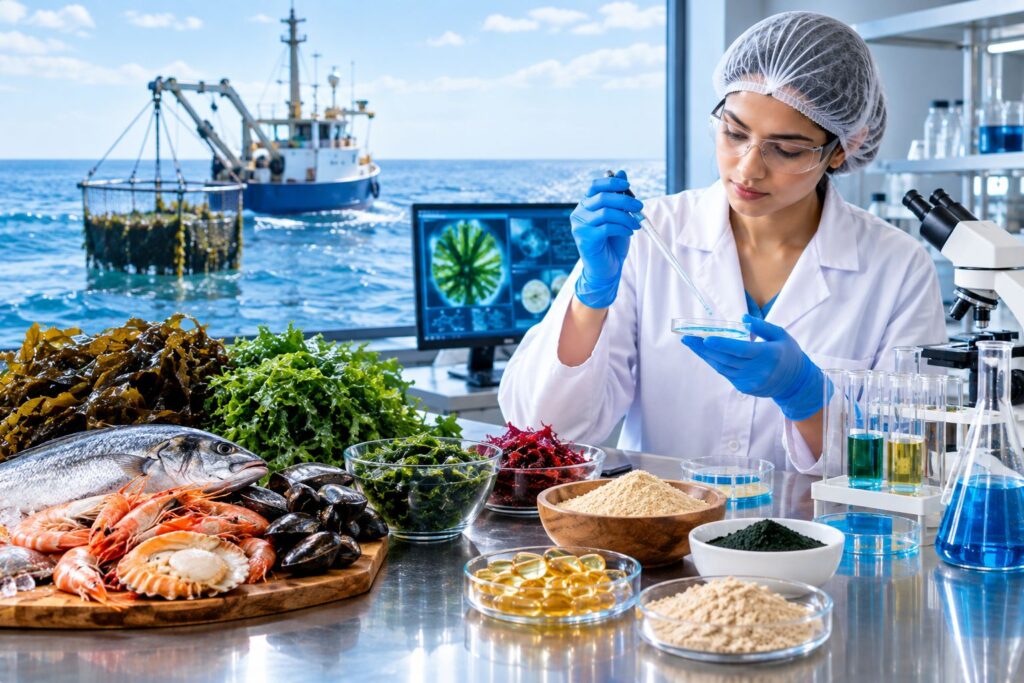
Marine Technology Meets Food Technology: Synthesis of Food Ingredients from the Marine Environment

The marine environment offers a treasure trove of bioactive compounds and sustainable resources for the food industry. Advances in marine technology, combined with food technology innovations, have enabled the extraction and synthesis of high-value food ingredients such as omega-3 fatty acids, bioactive peptides, and marine polysaccharides. These developments are transforming food formulation, enhancing nutrition, and addressing sustainability concerns.   The marine environment offers a treasure trove of bioactive compounds and sustainable resources for the food industry. Advances in marine technology, combined with food technology innovations, have enabled the extraction and synthesis of high-value food ingredients such as omega-3 fatty acids, bioactive peptides, and marine polysaccharides. These developments are transforming food formulation, enhancing nutrition, and addressing sustainability concerns. The Process of Synthesizing Food Ingredients from Marine Sources The synthesis of food ingredients from the marine environment involves harvesting marine resources, isolating valuable compounds, and transforming them into functional food ingredients. The process focuses on sustainability and ensures that the nutritional and sensory properties of the ingredients are preserved. Products developed 0 + Years experience 0 + Countries served 0 + Clients served 0 + Key Points in the Process Resource Identification and Harvesting Selection of marine resources, such as microalgae, fish by-products, and seaweed, based on target compounds. Sustainable harvesting practices to minimize ecological impact. Extraction and Isolation Solvent Extraction: Used to isolate lipids and omega-3 fatty acids. Enzymatic Hydrolysis: Breaks down proteins into bioactive peptides. Supercritical CO₂ Extraction: Eco-friendly method for extracting oils and antioxidants. Purification and Synthesis Synthesis of derivatives, such as carrageenan from red seaweed for gelling applications. Integration into Food Products Incorporating marine-derived ingredients into functional foods like energy bars, fortified beverages, and nutraceuticals. Market Trends Demand for Functional Foods: Marine ingredients like omega-3s and bioactive peptides are sought after for their role in heart health, brain function, and immune support. Sustainability Focus: Consumers prefer ingredients sourced through environmentally friendly practices, emphasizing marine resources’ renewable nature. Algal Boom: Microalgae are emerging as a versatile source of proteins, lipids, and vitamins for plant-based and vegan markets. Global Expansion: Increasing incorporation of marine-derived ingredients in the nutraceutical and pharmaceutical industries. Role of Consultants Research and Development: Identifying marine resources and developing innovative extraction techniques. Sustainability Strategies: Advising on eco-friendly harvesting and processing methods. Regulatory Compliance: Ensuring ingredients meet safety and quality standards for global markets. Market Positioning: Guiding food manufacturers in integrating marine-derived ingredients into their product portfolios. Conclusion The fusion of marine and food technologies is unlocking the ocean’s potential as a source of sustainable, high-value food ingredients. From omega-3s to marine polysaccharides, these innovations are enhancing food nutrition, functionality, and sustainability. With the expertise of consultants and continued technological advancements, marine resources are poised to play a pivotal role in shaping the future of the food industry while contributing to a healthier and more sustainable world.    

Cold press oil extraction machine processing oilseeds into natural edible oil
FFCE

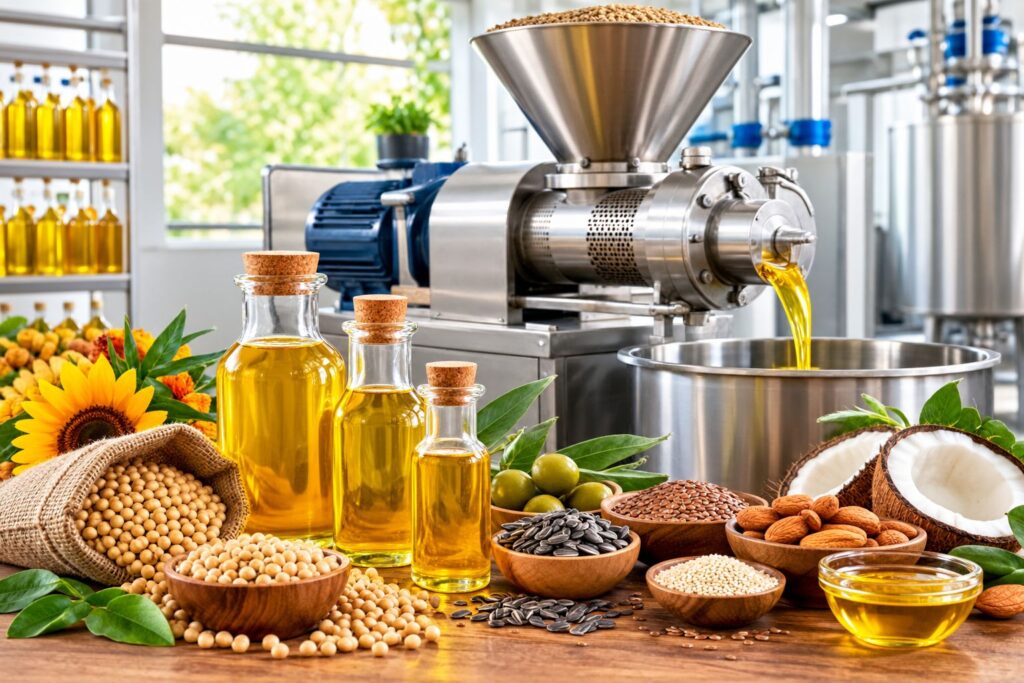
The Significance and Role of Cold-Press Operation in Oil Extraction Methods

Cold-press operation is a traditional yet innovative oil extraction technique that preserves the natural nutrients, flavour, and aroma of oils. Unlike conventional methods that use heat and chemicals, cold pressing involves mechanical extraction at low temperatures, making it a preferred choice for health-conscious consumers. Food experts contribute significantly to optimizing this technique, ensuring efficiency, quality, and market competitiveness. Introduction Cold-press oil extraction is gaining traction in the food industry due to its ability to produce oils that retain natural antioxidants, vitamins, and essential fatty acids. The absence of heat or chemical solvents during extraction ensures minimal degradation, resulting in a superior quality product. This method is particularly popular for extracting oils from seeds, nuts, and fruits, such as olive, coconut, and flaxseed. The Process of Cold-Press Operation Cold pressing involves crushing seeds or nuts under high pressure in a temperature-controlled environment. The extracted oil is then filtered and packaged without further refining, preserving its natural properties. This eco-friendly process aligns with the growing demand for clean-label and sustainable food products. Key Points of the Cold-Press Process Seed Preparation Cleaning and drying seeds to ensure purity and prevent contamination. Removing outer shells or husks when necessary to improve yield. Mechanical Extraction Using hydraulic or screw presses to extract oil under controlled low temperatures (below 50°C). Avoiding heat application to maintain nutrient integrity and flavour. Filtration Removing impurities through natural sedimentation or fine filtration methods. Ensuring oil clarity while retaining nutrients. Packaging and Storage Using dark or airtight containers to protect oils from light and oxidation. Maintaining a stable storage environment to preserve quality. Market Trends Health and Wellness Movement: Increasing consumer preference for cold-pressed oils due to their high nutrient content and natural processing. Growth in Plant-Based Diets: Demand for cold-pressed oils, especially flaxseed and avocado, is rising among vegan and vegetarian consumers. Sustainability Focus: Cold-press methods align with eco-friendly and clean-label trends by avoiding chemical solvents and refining processes. Global Reach: Expansion into international markets, particularly in premium and health food segments. Role of Food Experts Optimization of Extraction Techniques Food experts refine cold-press methods to enhance yield without compromising quality. Innovating temperature and pressure controls for different seed and nut types. Quality Assurance Conducting sensory, chemical, and nutritional analyses to ensure product consistency and safety. Sustainability Practices Advising on eco-friendly sourcing of raw materials and energy-efficient operations. Consumer Education Promoting the health benefits and culinary versatility of cold-pressed oils through marketing and awareness campaigns. Regulatory Compliance Ensuring the production process meets food safety and organic certification standards. Conclusion Cold-press operation represents a significant advancement in oil extraction, combining tradition with innovation to produce high-quality, nutrient-rich oils. Its alignment with health and sustainability trends makes it a cornerstone of the modern food industry. Food experts play a crucial role in optimizing this technique, ensuring product excellence, and guiding market positioning. Together, these efforts ensure that cold-pressed oils remain a premium choice for consumers worldwide

Ultrasound technology used in fruits and vegetables processing
FFCE

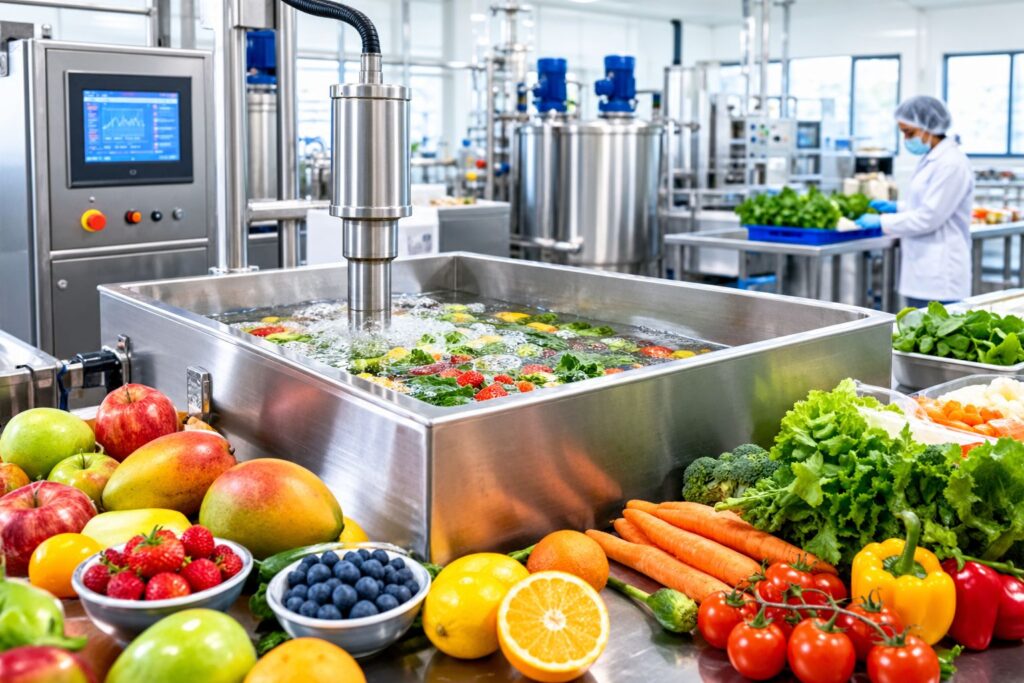
Application of Ultrasound Technology in Fruits and Vegetables Processing Units

Ultrasound technology is the invincible option that is fast redefining the fruit and vegetable processing business as non-thermal, green, and exceedingly efficient. It does so by using high-frequency sound waves in a bath to wash, to store, and to recover nutrients without affecting the product itself. Considered to improve food safety, optimize shelf life, increase extraction indices; while answering today’s demand for sustainable and quality food processing, ultrasound is also a consultant’s best tool for maximizing the technological integration of an innovated system in the industries. Introduction Setting the stage-The growing demand among consumers for fresh, safe, and high-quality fruits and vegetables has prompted food processors to have a look into options such as ultrasound technology. This advanced technology is appreciated for the fact that it offers reducing demand for temperature integrity on food. Ultrasonication is enabled by mechanical vibrations produced when high frequencies sound waves, leading to the formation of cavitation bubbles, which enhance a couple of physical and chemical processes. This advanced technology reduces waste, facilitates energy-saving processes, and profits safety in a crucial point in periodical and the fruit and vegetables processing sector. Products developed 0 + Years experience 0 + Countries served 0 + Clients served 0 + Preliminary Preparatory stages of Ultrasound Technology Ultrasound technology applies high-frequency sound waves through a liquid medium to create cavitation-the rapid formation and collapse of bubbles. This produces localized pressure and temperature changes that contribute to the cleaning, peeling, drying, and extraction of compounds from fruits and vegetables. Key Points Of the process 1.Cleaning and decontamination Ultrasound removes surface contaminants like dirt, pesticides, and microbes. Ideal for delicate and textured fruits and vegetables such as strawberries and lettuce. 2.Peel and Cut At the moment, peeling and softening of surfaces is assisted, which will minimize wastage and reduce work. 3.Drying and Control of moisture Speeds up drying in breaking moisture bonds while still keeping nutritional quality and reducing energy usage. 4.Nutrient Extraction Ultrasound applied as a technology in extraction processes helps increase the frequency of bioactive compounds that can be extracted, hence becoming nutraceutical and functional food sources. 5.Shelf-Life Extension Mercifully, it has aided in enhancing microbial safety and delaying spoilage through the reduced load, thus improving the shelf life of the fresh produce. Market Trends 1.Rising Demand for Minimally Processed Foods Consumers opt for fresh, minimally processed fruit and vegetables with maximum retention of nutrients and flavor. 2.A Focus on Sustainability Ultrasound technology is aligned with sustainability goals by lessening water, energy, and chemicals used in food processing. 3.Health and Wellness Trend An increase in interest in functional foods and nutraceuticals drives the use of ultrasound for nutrient extraction. 4.Integration of Technology There has been increasing movement towards automation and smart technologies to leverage ultrasound applications in food processing units. The Role of Consultants 1.Provide Technical Support Food consultants help select appropriate ultrasound systems and fine-tune these for specific purposes. 2.Process Optimization Consultants streamline processes by establishing the best ultrasound parameters for cleaning, peeling, or extraction. 3.Quality Assurance Compliance with food norm specifications and standards. 4.Sustainability Planning Establishing ultrasound’s structure within energy-efficient practices alongside environmental practices. 5.Training and Education Training operatives in ultrasound operation and its benefits in improving the quality and efficiency of products. Conclusion The advent of ultrasound technology is an epoch-making innovation in the concepts of fruits and vegetables processing. Its contribution to increased efficiency, improved product quality, and sustainable operations now announces ultrasound technology as a necessary tool in processing food for cleaning, preservation, and extraction of nutrients. With the help of consultants, food processing units are able to perform effective integration of ultrasound technology to provide consumers with a greater supply of fresh, safe, and sustainable produce.

Food experts improving safety, quality and sustainability of processed food products
FFCE

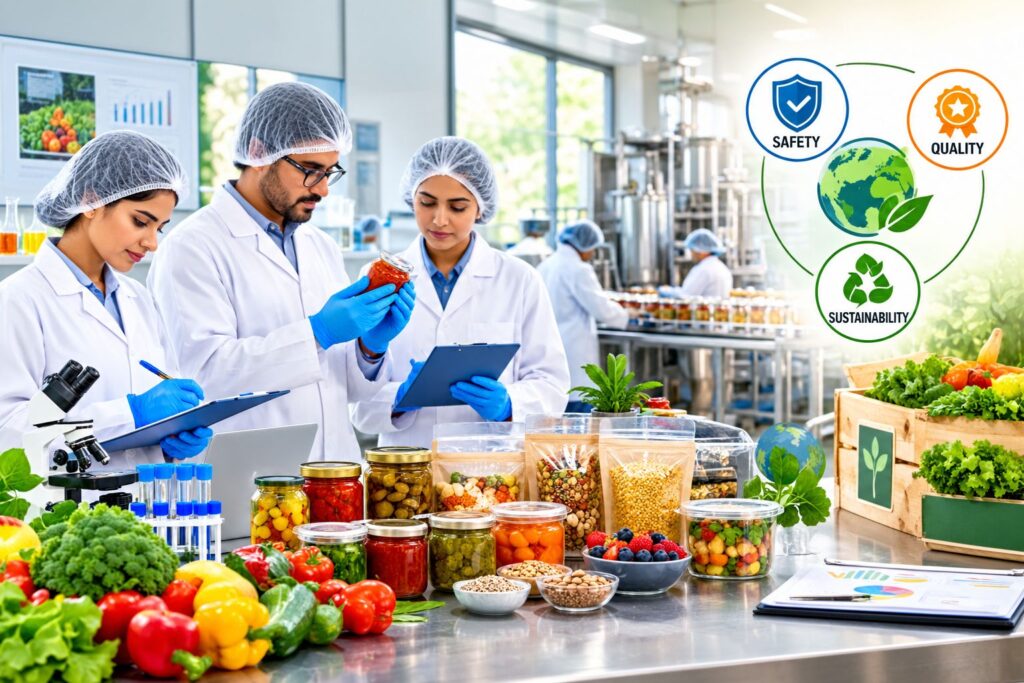
How to Enhance the Safety, Quality, and Sustainability of Food Processed Products with the Help of Food Experts

Enhancing the safety, quality, and sustainability of food processed products is essential for meeting consumer demands and regulatory standards. Food experts play a crucial role in achieving these goals by implementing advanced technologies, ensuring compliance with safety protocols, optimizing production processes, and promoting sustainable practices. Their expertise helps businesses deliver superior products while reducing environmental impact and operational costs. Introduction In today’s competitive food industry, consumers prioritize safe, high-quality, and eco-friendly products. Achieving these standards requires a multi-faceted approach that balances innovation, efficiency, and sustainability. Food experts provide critical guidance in integrating modern technologies, improving manufacturing processes, and adhering to stringent safety and quality standards. Their role ensures that processed food products not only meet but exceed market expectations. Products developed 0 + Years experience 0 + Countries served 0 + Clients served 0 + The Process of Enhancing Food Safety, Quality, and Sustainability Food experts work systematically to address challenges in food processing by introducing technologies, establishing quality management systems, and promoting sustainable practices. Their approach involves a combination of hazard assessment, process optimization, and the adoption of green technologies to improve the overall product lifecycle. Key Points in the Process Food Safety Management Implementation of HACCP (Hazard Analysis and Critical Control Points) systems to identify and mitigate risks. Adoption of real-time monitoring technologies, such as IoT sensors, for contamination detection. Ensuring compliance with global food safety standards like ISO 22000 and FDA regulations. Quality Enhancement Leveraging advanced processing techniques like ultrasound, high-pressure processing, and cold plasma to retain nutrients and flavors. Conducting rigorous quality control tests, including sensory, chemical, and microbiological evaluations. Sustainability Practices Reducing food waste through efficient raw material utilization and by-product recycling. Minimizing energy and water consumption by integrating renewable energy and advanced technologies. Training and Capacity Building Educating staff on safe handling practices, sustainable production methods, and new technologies. Market Trends Clean-Label Movement: Increasing demand for minimally processed products with transparent labelling. Sustainable Sourcing: Consumers prefer brands that source ingredients responsibly and ethically. Technological Integration: Adoption of AI, IoT, and automation to improve safety and quality while reducing resource consumption. Circular Economy: Growing emphasis on reusing by-products and reducing food waste in production cycles. Health-Focused Innovations: Development of fortified and functional foods to cater to health-conscious consumers. Role of Consultants Process Optimization Advising on the integration of cutting-edge technologies to improve efficiency and product quality. Regulatory Compliance Guiding businesses to meet international safety and sustainability standards. Sustainability Strategies Designing waste reduction plans and implementing energy-efficient solutions. Product Innovation Assisting in the development of new, health-oriented, and eco-friendly food products. Market Positioning Helping companies align their products with current market trends to gain competitive advantages. Recommendations for Regulation and Compliance Food consultants help companies with labelling, certification, and food safety regulations while ensuring that mycoprotein products meet all the safety and regulatory requirements. Conclusion Enhancing the safety, quality, and sustainability of processed food products is a multifaceted challenge that requires the expertise of food professionals. By leveraging advanced technologies, optimizing processes, and adhering to sustainable practices, food experts enable businesses to meet consumer demands and regulatory standards effectively. Their contributions not only improve product integrity but also support long-term environmental and economic sustainability, ensuring a resilient and forward-thinking food processing industry.

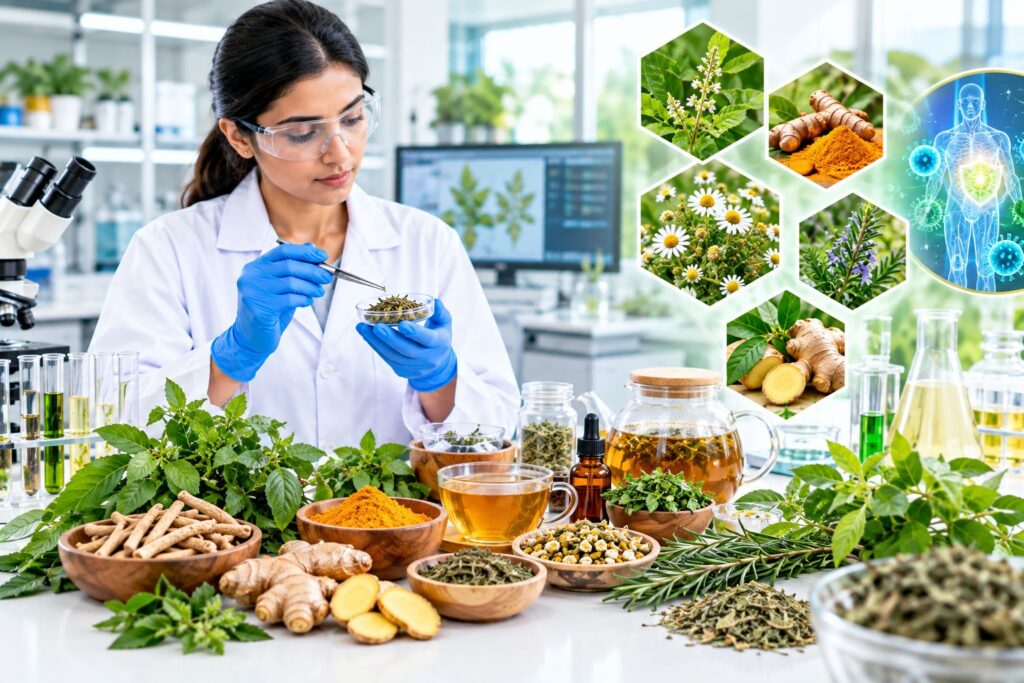
Herbal research facility with medicinal herbs and laboratory testing
FFCE

Impressive Herbs to Overcome Anxiety and Immune System Problems

Herbs have long been used in traditional medicine to combat anxiety and boost the immune system. Adaptogenic and immune-modulating herbs like ashwagandha, chamomile, echinacea, and Tulsi (holy basil) are gaining popularity for their natural, holistic approach to health. By integrating these herbs into daily routines, individuals can address mental and physical health challenges while benefiting from a more balanced lifestyle. With growing demand, experts are essential in guiding product development, formulation, and quality assurance. Introduction Anxiety and immune system problems are increasingly prevalent in today’s fast-paced world, exacerbated by stress, environmental factors, and unhealthy lifestyles. Herbs provide a natural and effective solution to these challenges, offering both calming and immune-strengthening properties. Scientific studies have validated the benefits of many traditional herbs, leading to their incorporation into modern wellness practices and products. Products developed 0 + Years experience 0 + Countries served 0 + Clients served 0 + The Process of Using Herbs for Anxiety and Immunity The therapeutic potential of herbs lies in their bioactive compounds, which interact with the body’s systems to restore balance. The process involves identifying the appropriate herbs, extracting active compounds, and formulating them into teas, capsules, tinctures, or topical applications. Careful processing ensures maximum efficacy and safety. Key Points of the Process Herb Selection Ashwagandha: An adaptogen that reduces cortisol levels, combats stress, and enhances immunity. Chamomile: Known for its calming effects and ability to ease anxiety and insomnia. Tulsi (Holy Basil): Boosts the immune response while reducing stress and inflammation. Echinacea: Strengthens immune defences and reduces the severity of colds and infections. Extraction and Processing Using water, alcohol, or oil-based extraction to concentrate bioactive compounds. Ensuring purity through filtration and testing to remove contaminants. Formulation Combining complementary herbs for synergistic effects, such as ashwagandha with Tulsi for both anxiety and immunity. Creating user-friendly formats like teas, capsules, or gummies. Quality Control Conducting lab tests to ensure potency, safety, and absence of harmful substances like heavy metals or pesticides. Market Trends Growing Interest in Natural Remedies: Consumers increasingly prefer plant-based solutions over synthetic medications for anxiety and immunity issues. Functional Foods and Beverages: Herbal teas, infused waters, and herbal snacks are trending as convenient wellness options. Customization: Demand for personalized herbal blends tailored to individual needs. Scientific Backing: Increasing research and clinical studies are boosting consumer confidence in herbal efficacy. Sustainability Focus: Ethically sourced and eco-friendly herbal products are gaining popularity. Role of Consultants Herbal Expertise Identifying the most effective herbs and their optimal dosages for specific health concerns. Advising on sustainable sourcing and ethical harvesting practices. Product Development Assisting in the formulation of innovative and appealing products, such as herbal gummies, sprays, and skincare items. Regulatory Guidance Ensuring compliance with food and dietary supplement regulations globally. Consumer Education Developing awareness campaigns to inform consumers about the benefits and safe use of herbal remedies. Market Strategy Helping brands position their herbal products effectively in a competitive market. Conclusion Herbs offer a promising solution for managing anxiety and strengthening the immune system. Their natural compounds provide holistic health benefits, making them increasingly popular in today’s wellness-focused market. With the support of experts in herb selection, processing, and product development, these natural remedies are becoming accessible and effective for a broader audience. Embracing herbal solutions not only promotes personal health but also supports sustainable and eco-conscious choices in healthcare.

Scroll to Top

Your Trusted Food-Tech Partner Simplifying Solutions, Maximising Success

    Your idea is 100% protected by our Non Disclosure Agreement

    What is Refresh icon

    Your Trusted Food-Tech Partner Simplifying Solutions, Maximising Success

      Your idea is 100% protected by our Non Disclosure Agreement

      What is Refresh icon

      Your Trusted Food-Tech Partner Simplifying Solutions, Maximising Success

        Your idea is 100% protected by our Non Disclosure Agreement

        What is Refresh icon

        Powering your food business forward