

FFCE

Now Hiring: Are you a driven and motivated 1st Line Food Technologist?

Author name: Admin

Spice formulation for creating flavorful food recipes
FFCE

Mastering Spice Formulation: A Guide to Creating Flavorful Recipes

The growing knowledge of blends of spice recipes formulation allows you to create unique, savory flavors that go with any dish. To get the balance of salty, spicy, sweet flavors, you can start with a strong base spice and add support spices one after another. You may find new sparks for your recipes from other parts of the world’s used blends, such as Za’atar or Garam Masala. These special blends may add depth to marinades, roasted vegetables, and cereals, and right storing in airtight containers keeps them fresh. You may mix various spice mixes and recipes that create unusual flavors and can spice up your usual meal. The art of creating the perfect spice recipe formulation is a science and an art. A rich, warm, and complex sense can be made even from ordinary ingredients when it is created by a good spice mix formulation. To create new flavors and bring culinary creations up to the next level, knowledge of the fundamental principles of spice formulation has always been a must for both novice and experienced cooks. The Basic Concepts of Blending Spices Every tasty spice recipe formulation starts with an intentional spice blend. Taking a combination of dry herbs, seeds, and powders and mixing these to enhance the flavor of food is referred to as a spice mix. To get you started in creating your mixes, consider the following: Create a Base First: Select a primary flavor of your mix. Chili powder is a spicy spice, corian. Layering Flavors: Adding complementing spices to the base flavor will improve it or balance it. For example, just a little sprinkling of cinnamon on a mix of cumin adds depth and warmth. Use fresh ingredients: Grind your spices as fresh as possible in order to keep all their potency and aromatic oils intact. Balancing Spices for Perfect Flavor The magic happens when every spice mix has just the right balance of all those unique flavor components. How does one do that? Well, for instance: Sweet and Savory: Deep savors imply some kind of garlic, onion or mustard. Sweetness comes from cardamom, nutmeg or cinnamon. Get experimenting with those contrasts for a rounded flavor. Spicy Heat: If you like hot, spicy food, add peppers, such as paprika or cayenne. Make sure that the spicier spices have an offsetting effect from softer ones to temper the fiery nature of this dish. Floral and Herbal: On the other hand, while floral spices like lavender or rose petals lend delicate flavors to some food, herbs like mint, basil, and thyme confer freshness. Discovering with Various Regional Spice Blends Different cuisines around the world offer unique spice combinations that can inspire your own creations. Here are some regional blends to consider Indian Garam Masala: This consists of a highly aromatic spice blend that uses cinnamon, cloves, cardamom, cumin, and coriander to season curries and stews. Moroccan Ras El Hanout: This intensive spice mix is the equivalent of saffron, ginger, and turmeric, thus incredibly rich in flavor for couscous and tagines. Za’atar, a Middle Eastern: A mix of thyme, sumac, sesame seeds, and oregano, adds magic to any meat, vegetable, or even flatbread product. Tips for Storing and Using Your Spice Blends Now, let’s consider how to maintain the freshness of your mix after getting the perfect mix. Some tips: Tight-Lidded Jars: Spices lose some of their potency when exposed to air and light. Keep the spice blend in airtight jars or containers to protect it. Cool, Dark Place: Keep spice mixes in a pantry or cabinet in a cool, dark environment-do not store them near any heat source, such as the stovetop or the sun. Label and Date: Spice mixes that are dated and used within six months make the best flavor. Utilizing Blends of Spices in Your Cooking Now that you’ve learned how to formulate your spices, it’s time to make these inventions a reality. Here’s how to spice up your regular cooking: Marinate Meats: By marinating your spices, olive oil, with a good squeeze of citrus juice right before grilling or roasting, the flavors get infused. Roast some vegetables. Toss the vegetables with olive oil and your spice blend, then roast. This is how you get a straightforward side dish yet absolutely deliciously flavored. Flavor Rice and Grains: Stir in one teaspoon of your favorite spice blend into cooking your rice, quinoa, or couscous with the water for added depth. Conclusion Mastering the art of formulating spice recipes is just so rewarding and empowers you to come up with a creative process for unique flavors that could be used with any meal, selecting a base for your spice, balancing flavor profiles, and opening it up at every stage for personalization. So come on up now and let your spice blends continue adding warmth, character, and unforgettable flavors to your cooking.
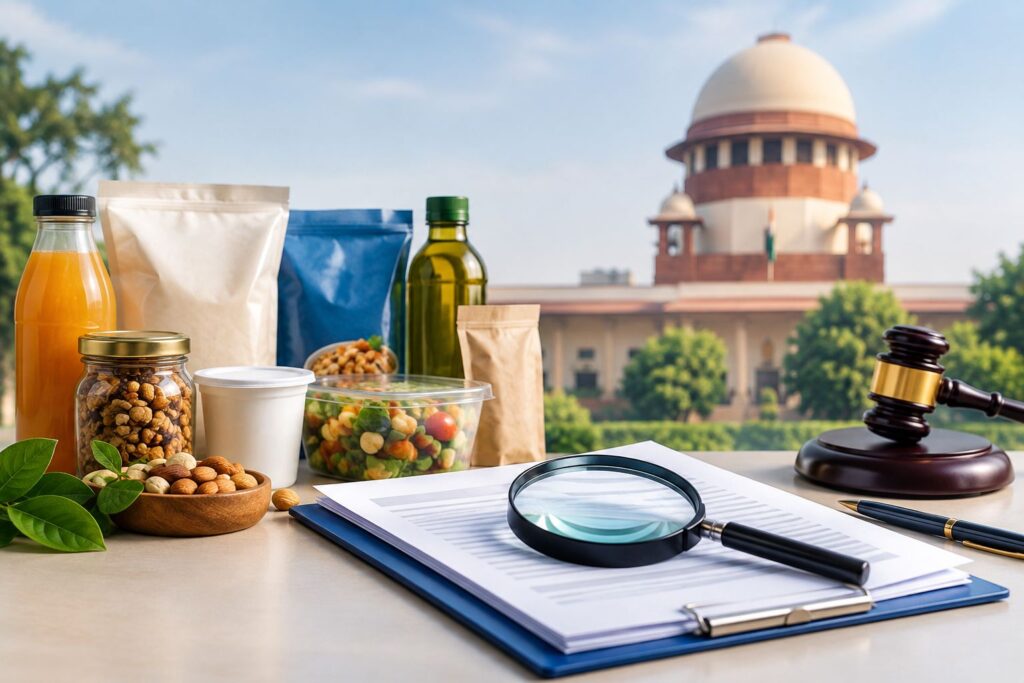

FSSAI regulations on misleading food advertisements and claims
FFCE

FSSAI Notifies Food Businesses Regarding Supreme Court Order on Misleading Advertisements

The FSSAI recently issued a notification to food companies following the Supreme Court ruling on misleading advertisements and has requested them to ascertain that their marketing claims are based on evidence and are true. It not only cautioned them regarding the threat of legal action but also underlined the pertinence of transparency in any nutrient and health-based claims. This step will ensure the interests of the consumers through responsible advertisements, which will further strengthen the food industry’s confidence. Introduction In Recently, the Food Safety and Standards Authority of India issued a notice to food firms all over the country against misleading advertisement in compliance with the Supreme Court’s recent judgment on the issue. Companies will have to ensure the truth in the statement supported by evidence, and the importance of telling the truth manifests itself when talking about food goods. Now, it specifically charges food businesses to be candid and open with their advertising, especially concerning the labels of these products, nutritional information, and health benefits. To protect the interest of the consumer and maintain public confidence in the food business, false advertising that once created uncertainties perhaps to the consumers’ harm must now be shunned. The idea is to bring food advertisement at par with the code of conduct and principles of consumer protection. The FSSAI directive draws attention to the fact that adherence to advertising standards is indispensable and warns that such a failure may bear the cost of a legal offing. It is now being construed as insisting on companies assurance that their marketing strategies, particularly those involving health claims, are in line with the regulations. The statement of FSSAI and the verdict of the Supreme Court justify the necessity of truthful and ethical advertisement in retaining food safety standards. It should result in greater transparency, consumer care in health, and companies using fairer advertising practices. This is a necessary reminder to food businesses to review and keep close track of their marketing plans while keeping in line with the guidelines set up by the regulatory bodies so that trouble can be avoided and the trust of customers kept intact.

Probiotic food and beverage product development strategies
FFCE

Novel Strategies for Creating Probiotic Food and Beverage Products

Boost Your Gut, Naturally Probiotics in Every Bite! Probiotic products are increasingly well-liked to support gut health, a market of functional drinks, snacks, and dairy alternatives. The tactical lines of enhancing stability through microencapsulation, the integration of probiotics in different food matrices, including more resilient strains like Lactobacillus acidophilus, and clean-labeling of prebiotic-probiotic formulations, are some important tactics. Probiotic products have grown to be very popular as a result of growing interest in gut health and overall wellness. When supplemented with adequate amounts, these beneficial bacteria, comprised mostly of Lactobacillus and Bifidobacterium strains, provide significant health benefits. Building on the knowledge gained from the food and beverage industry, this blog presents innovative ways of manufacturing probiotic food and beverages. Why Probiotic Products Matter. Probiotics hold a significant position in gut microbiota balance improvement and digestion. With increasing awareness of their health benefits, the demand for probiotic-enriched foods and beverages has increased. Starting from yogurts and kefirs to probiotic teas and fortified snacks, the scope of innovation remains huge. Key Strategies for Creating Probiotic Products The selection of probiotic strains determines the success of any product. These strains must survive processing and storage until time of consumption. Higher survival rates post-processing and storage guarantee that they remain viable throughout the consumption process. They should also be resistant to bile salts and harsh gastric acids to remain effective in the digestive system. The chosen strains must also have strong clinical research supporting their demonstrated health benefits. Also, because of their potency and beneficial effects on gut health, common strains include Lactobacillus acidophilus, Bifidobacterium longum, and Saccharomyces boulardii. Incorporation into Diverse Food Matrices Probiotics are added to wide ranges of food matrices to make them more appealing and more accessible to the consumer. Consumers who are lactose intolerant are satisfied by probiotic-enriched almond or coconut yogurt, while granola bars and fruit bites provide the convenience of easy grab-and-go snacks. Low-sugar sparkling waters and probiotic-infused teas and juices are two examples of functional beverages that provide a refreshing, health-conscious strategy for fueling gut health. Technology of Microencapsulation By shielding probiotics from harsh processing conditions, the microencapsulation technology is ensured to be viable with a longer shelf life. Techniques such as extrusion, freeze drying, and spray drying efficiently preserve these advantageous microbes, keeping them potent until ingestion. Different kinds of Prebiotics with Probiotics It has been demonstrated that the symbiotic products, such as fructooligosaccharides and inulin that are created when probiotics and prebiotics are combined improve the growth and activity of good gut bacteria. Clean Label and Natural Formulations Clean-label products with no artificial additives are popular. Transparency can create an appeal and trust by featuring transparent labeling, organic ingredients, or natural sweeteners. Temperature-Stable Innovations The development of shelf-stable probiotics expands their scope beyond cold-chain applications only. Probiotic Powder and probiotic biscuits as well as probiotic chocolates are such new products. Challenges and Opportunities However, despite the great potential of the probiotic market, issues that need to be resolved encompass at least the following: To ensure probiotics survive processing. The regulatory barriers control health claims. Educating consumers on the benefits of probiotics. Conclusion Innovation opportunities abound in the probiotic food and beverage industry. With clean-label formulations, targeted benefits, and advanced technologies, brands can provide product categories that meet consumer needs and demands for convenience and health. As the market expands, future performance will depend on well-researched development and strategic alliances.

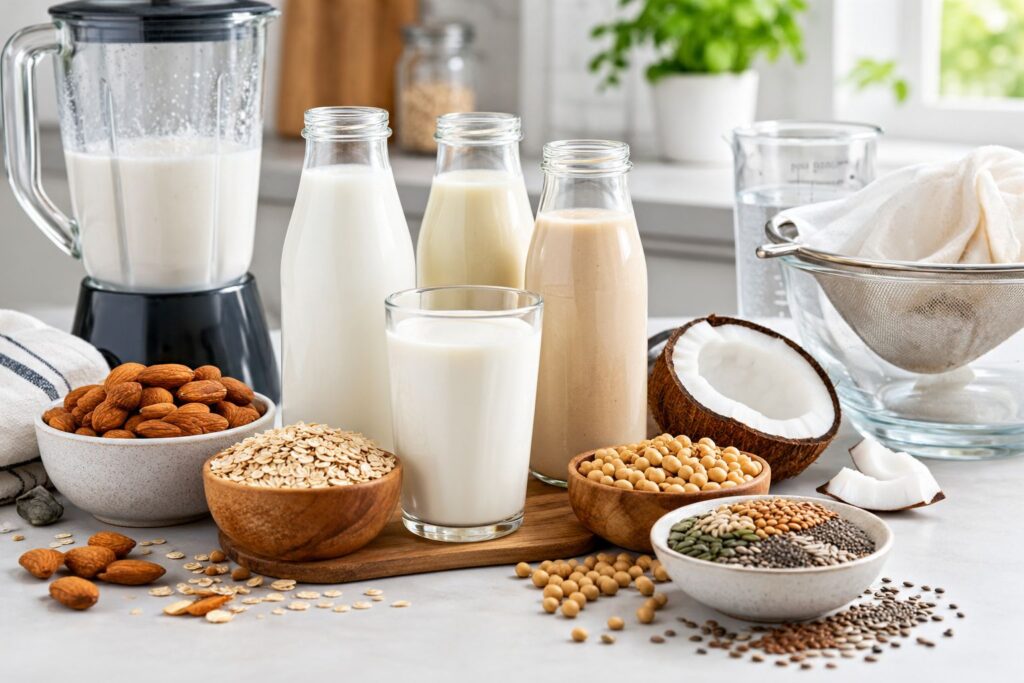
Plant-based milk recipe formulation
FFCE

Formulating Recipes for Plant-Based Milk

plant-based milk with legumes like almonds, oats, soy, or coconut, or with nuts, seeds, or grains. Soak, blend, strain, add your natural sweetener or flavor, and keep it in the fridge in jars to preserve freshness and add to your smoothies, coffee, or cook with it!   Plant-based milk is an adaptable, healthy alternative to dairy because it has all the health benefits combined with customization options. Its making involves using various constituents, such as grains, legumes, nuts, and seeds. Among the most popular options for plant-based milk are oats, coconut, soy, and almonds-they all vary in their tastes and possess a lot of nutritional value. Making milk from plants is simple and rewarding. Soaking the chosen ingredient first enhances its texture and digestibility. The soaked foundation, blended with water, forms a creamy paste. The liquid becomes smooth and silky once the particles are removed by straining through cheesecloth or a nut milk bag. Customization, such as adding dates natural sweeteners, and extra nutrients for fortification, is very straightforward. Making plant-based milk at home instead of purchasing it in stores is far cheaper and more environmentally friendly. It ensures an additive-free product that is pure since control over ingredients is total and packaging waste will be removed. When kept in closed containers, it lasts up to five days in the fridge. Plant-based milk is perfect for coffee, smoothies, baking, or cooking-adaptable to any culinary need. Through trial and error with ingredients and flavors, you can create a personalized dairy-free milk alternative that suits both your taste and lifestyle. Why Make Your Own? With homemade plant-based milk, you’re in control of your ingredients, save money, and reduce packaging waste. Start experimenting today to enjoy delicious, fresh milk that meets your taste preferences. Conclusion To recap, plant-based milk is made easy, eco-friendly, and adjustable for dairy-free purposes. You can make fresh, nourishing milk that’s suitable to your needs and preferences using simple ingredients. It is a sustainable food choice that lets you have full control of what enters your food and minimizes any packaging waste. For cooking, smoothies, or even your morning coffee, homemade plant-based milk offers flexibility and affordability in leading a healthier lifestyle.

Expert food consultant services for culinary innovation and menu development
FFCE

Expert Food Consultant Services: Innovative Solutions for Culinary Success

Food consultants are an asset to ensure culinary businesses succeed by helping develop menu options that work, clarifying kitchen efficiency processes, presenting product launches, tracking current trends, and enhancing brand. They can also provide cost-reduction solutions, profit maximization, and lead positions in competitive markets. They can bring in fresh ideas and operational improvements that can help grow your business and set your brand apart.   To lead in today’s fast-changing food world, you need something more than just a passion to cook. An almost complete grasp of what consumers prefer, the current market trends, and an impeccable sense of operational effectiveness is needed. The role of an enlightened food consultant can now benefit businesses in this regard by presenting innovative solutions. Food consultants are now the mantras of success for any restaurant, food startup, and for popular brands What is a Food Consultant? A food consultant is known as an expert with a treasure trove of knowledge about the food world who can provide strategic advice and insights. You could consult a food consultant to answer any question that improves your business – whether it’s presenting a new product, redesigning your menu, or streamlining your kitchen operations. Combining operational experience, market knowledge, and culinary expertise, these advisors meet specific requirements for food enterprises. Key Services Offered by Food Consultants Innovation and Menu Development: Extremely important is making a menu that accords with client preferences and is inventive at the same time. To design menus which will speak about a company’s identity, attract its clients, and ensure profitability, food experts work in collaboration with the businesses. Seasonal changes and creative flavor combinations could all mean the difference between a good meal and an unforgettable one brought about by a consultant. Efficiency in the Kitchen and Operations: Proper, effective, and systematized kitchen operations should be manifested. Food consultants analyze people, workflow procedures, and layout of the kitchen for improved productivity. They assist in reducing food wastes, labor costs, and simplification by identifying weak points that need improvement. Product development: Food consultants help food companies entering the market with the product development process, which includes finding ingredient suppliers, testing recipes, and developing packaging designs. They will ensure that all the products meet legal considerations, are suitable to be sold in the industry, and appeal to the target market. Trend analysis and market research: Every year, new trends appear in the dynamic food industry. Food consultants do extensive market research in an effort to understand consumer preferences and identify emerging trends. Businesspeople may keep at the forefront of the curve of changing market trends and thus adapt to change by always staying ahead. Consulting on Brands and Customer Experience: A food consultant shapes the customer experience from aesthetic appeal and feel to quality in providing service and the brand’s visibility. Companies may be successful in implementing customer happiness, repeat business, and brand loyalty by perfecting these features. Why Partner with a Food Consultant? If you have made it in an industry as vicious as the food industry, there is a consultant who can give you expert advice. Here are some reasons why you should hire a food consultant for your business: Cost Saving: A food consultant can be of great value in reducing operating costs by detecting waste and inefficiency. Better profitability: more revenues and profits, all as a result of efficiently planned menus and well-run kitchens. Expert knowledge: With the assistance of industrial knowledge, food consultants offer an outside, objective perspective. Innovation and Growth: The experts present a new concept that helps a company grow and respond appropriately to new trends. Choosing the Right Food Consultant for Your Business Select a food consultant who has a proven track record of success and has industry expertise. A cooperative consulting style is very important. There also needs to be consultants having a more customized approach in response to your needs and knowing your business objectives. Conclusion Food consultants are priceless resources that help and continue a thriving culinary business in the face of a falling, dirty, and competitive marketplace. An expert food consultant creates vast change and instills strength in your brand by finding innovative menus and making operations more effective. A seasoned food consultant will help your new or old business learn and come up with ideas and creativity about the running of a successful culinary venture.

Protein-packed dairy beverage formulation by beverage consulting experts
FFCE

Formulating Protein-Packed Dairy Beverages: A Guide for Beverage Consulting Experts

“Drink the Power of Protein, Perfecting Dairy Beverages with Expert Precision!” Increasingly in demand are protein-rich dairy beverages through their health benefits. Beverage consulting helps companies create new products that translate into the balance of taste, texture, and nutrition while assuring stability and compliance with correct sources of proteins and functional ingredients.   Today’s consumers desire to consume functional beverages that taste great but give them some nutritional benefits. Protein-enriched dairy beverages are an extremely popular option because they deliver a significant amount of high-quality protein to support weight loss, muscle repair, and general health. The establishment of these drinks provides a growing and exciting opportunity for the beverage consultancy individual to be innovative and meet the demands of today’s health-conscious consumers. Here is how to create protein-rich dairy drinks by referring to the following blog on major methods along with the way beverage consultancy may help companies meet growing demand. 1.Understanding the Market Demand for Protein Beverages Trending Demand : Protein beverages are in demand for fitness and wellness. Target Demographics : Health enthusiasts, athletes, and busy professionals. Consumer Preferences : Taste, texture, and nutrition are essential for success. 2.Choosing the Right Protein Sources: Choose the Right Protein Source here are the points given below. Whey Protein: Fast-digesting, ideal for post-workout recovery. Casein Protein: Slow-digesting, perfect for sustained amino acid release, especially at night. Other Dairy Proteins: Use milk protein concentrate (MPC) or milk protein isolate (MP)I to boost nutritional value 3.Key Ingredients for Flavor and Texture Flavor Options: Since the flavor is among the prime differences that separate one beverage from the other, the natural or artificial type of flavoring such as chocolate, vanilla, and fruit-flavored is what determines the attractiveness of the product. Sweeteners: Some naturally occurring ones include Stevia, monk fruit, and sugar alcohols like erythritol. That lowers the sugar but doesn’t change the flavor. Enhancers of Texture: The foremost challenge is the texture. This can be turned creamy, neither too runny nor too thick, using ingredients like pectin, guar gum or xanthan gum. 4.Nutritional Fortification and Functional Additives Minerals and Vitamins: To help with bone health, energy levels, and muscle function, consider adding minerals such as potassium and magnesium and vitamins B, D, and calcium to your dairy beverage. Fiber and Probiotics: prebiotics or probiotics may be added to enhance gut well-being and enhance the effective working ability of the beverage. Low-fat/Low-Sugar: With consumers gaining more awareness towards fat and sugar intake, the products with reduced fat and added sugars become a good sell. 5.Ensuring Product Stability and Shelf Life Ensuring Product Stability and Shelf Life these are the points given below: Stabilization Techniques: Emulsifiers and stabilizers prevent separation and ensure consistency. Packaging and Processing: UHT processing or pasteurization with proper packaging maintains freshness. 6.Beverage Consulting: How Experts Can Help Beverage Consulting How Experts Can Help These are the points given below: Tailored Formulas: Consultants identify ideal protein sources and ingredients for specific market segments. Taste & Texture: Expertise ensures balanced flavors and optimal mouthfeel. Compliance and Regulation: Guidance on food safety and regulatory standards. Innovation: Insights into trends, new protein sources, flavors, and packaging options. Conclusion Formulation of protein-enriched dairy beverages is a tough but exciting opportunity within the rapidly growing health and wellness industry. Beverage consulting brings companies professional experience in creating products that not only fill in the gaps of consumer demand but also give them an edge in the competitive market. Being an established company or just starting, beverage consultants make the development process easier and bring more high-quality, functional dairy beverages to the market.

Spice factory setup with modern spice processing and packaging machinery
FFCE

Complete Guide to Setting Up a Spice Factory

Market research, location with the desired site, obtaining of necessary permits, and formulating an efficient industrial layout, among others, constitute such major activities in establishing a spice factory. Strict quality control measures, sourcing of high-quality raw materials from authorized suppliers, and investment in good processing and packaging equipment are very essential. Strong circulation networks as well as efficient branding and marketing would help you position your products in a competitive market. Proper planning can make your company grow effectively. Your company can flourish even more if it would plan the expansion, and integrate sustainable practices. A spice plant can grow and serve demand locally and internationally with proper planning and implementation.   Setting up a spice factory can prove to be very interesting and profitable at a time when high-end spices are gaining popularity in the global market. You need to prepare carefully and invest aptly in building up a spice factory, whether you will be focusing on ground spices, spice blends, or even value-added products. The key procedures for the setting up of a spice production company will be described in this book. 1.Market research and feasibility study Before launching your spice manufacturing unit, understand the market first. Carry an intensive feasibility study to determine: Demand in the market: Determine the types of spices that are in demand domestically and abroad. Competition: Identify the kind of goods offered, the services, and also, pricing policies offered by your competitors. Customer preferences: Identify trends such as health-conscious or organic spices. Availability of inputs: Determine the cost and availability of raw spices. Such decisions relating to what products to manufacture, at what price points to aim, and how to position a brand in the market will prove less strenuous with the light shed by this research. 2.Choose the Right Location for Your Spice Factory Setup Location is the major key in running supply chains and minimizing the cost of producing items. Select a location that is close to suppliers of raw spices, has good transportation, and good infrastructure. With this set-up, you can simply grow your spice production, meet the demand much better, and therefore able to save money on shipping. 3.Legal Requirements and Licenses An essential need is to attain necessary licenses and permissions because the business of manufacturing spices falls under the government’s regulations. These could include. Food Safety Certifications: Additionally, one must also comply with the food safety requirements specific to your location; in other words, by complying with the relevant FDA guidelines in the US, or with those of FSSAI in India. Environmental Clearance: All activities must be in full compliance with the environmental regulations with regard to emission and waste management by your factory. Business License Registration: Ensure that you have a business license and that labor and tax identification licenses have been registered. 4.Plan an Efficient Spice Factory Layout An effective factory design keeps things clean and efficient. Define your spaces for raw material storage, cleaning, mixing, grinding, quality check, and packing. An organized processing facility helps in avoiding cross-contamination and also augments the efficiency of the entire spice production process 5.Investing in Equipment and Machinery To start with the best, it is very vital to use the right equipment in spice processing. Starting from cleaning equipment, which would remove all impurities, grinding or powdering of spices, and mix spices for spice blends, automated packaging machinery ensures consistent and tight packaging. With such high-quality equipment, your spice factory setup is optimized for longevity and consistent output. 6.Source High-Quality Raw Spices Quality spices are the backbone of a successful spice factory. Suppliers who have a reliable chain, or farmers to whom the factory is directly connected, will ensure that there is always a good and consistent quality supply. Organic will make a difference if there is a market for such spices; organic then becomes a competitive advantage that may also draw in health-conscious customers. 7.Implement Quality Control in Your Spice Production Quality control is the base of good spice manufacturing. It ensures that everything made of spice meets high standards and can help consumers have trust in those products. In order to achieve excellence, include these important quality controls in operation: Raw Material Inspection: Sound inspection of raw spices to check for contaminants, dirt, and quality specifications. It’s because this is the starting point of maintaining purity from the very initial stage. Processing Quality: To protect integrity flavor and aroma of spices, keep a vigilant eye on grinding, blending, or other processing procedures. This consistency is what keeps you from any reputation damage and makes the client believe in the assurance that your brand is offering. Sealing and Packaging: The products must be sealed well so that freshness is preserved and contamination is not done. Good packing assures the inherent qualities of your spices and their shelf life gets increased. Final Product Testing: Detailed sensory and chemical testing is done to confirm the presence of flavor, aroma, and purity. Such high-quality testing puts only the finest spices at your doorstep. 8.Develop a Strong Brand and Marketing Strategy Strong branding and marketing will set your spice factory apart from any other marketplace so full of competition. You will attract devoted clients, appealing as well as friendly to the environment packaging, participate in social media and digital marketing, and make a powerful brand. You can collaborate with grocery shops and internet merchants to make more consciousness and reach wider audiences. Packaging: The product will be appealing on the shelves of shops and will attract the health-conscious clients with nice and friendly packaging to the environment. Digital presence: Make a website and all social media accounts to reach more audiences. Upgrade visibility by using money for SEO and internet marketing. Distribution and partnerships: To expand your network, tie up with supermarket chains, merchants, and online shopping portals. Value-added products: In responding to various needs of your customers, you can provide convenience packs, organic spices, or spice blends. 9.Establish Distribution Channels for Spice Sales Build a network of distribution so you can conveniently reach the clients. Successful strategies include setting up retail channels, participating with supermarket chains, and

Advanced nutraceutical development for diabetes management
FFCE

Developing Advanced Nutraceuticals for Optimized Diabetes Management

Empowering Diabetes Care with Advanced Nutraceutical Innovations Advanced nutraceuticals-including antioxidants and natural supplements-help improve the management of diabetes by helping reduce blood sugar and inflammation, and promoting metabolic wellness. Most importantly, its integration with holistic care would help deliver efficient, natural means of achieving well-being.   Diabetes is an increasing threat to public health with millions of people being affected. The menace of chronic disease calls for effective management strategies and the management through conventional drugs alone is no longer possible. As pharmaceuticals continue to play a major role in drug therapy management of diabetes, a growing trend has been documented in the direction of complementary approaches with nutraceuticals. Advanced nutraceuticals have proven promising concerning the management of diabetes. Including functional foods, dietary supplements, and other natural products, this blog explores promising uses in diabetes management that can be combined with traditional therapeutic interventions. What Are Nutraceuticals? Nutraceuticals are bioactive substances found within food, herbs, or other natural entities. They are substances that are supposed to offer health benefits beyond just ordinary nutrition. Such substances include prevention or managing chronic diseases such as diabetes through improvement of their insulin sensitivity, lowering of inflammation, and modulation of these levels in the blood. In contrast with pharmaceutical drugs, nutraceuticals are quite extensively used for preventing or supplementary treatments along with standard therapies. The Future of Nutraceuticals in Diabetes Care Nutraceutical development is continuously evolving. The ongoing process is looking into new compounds and formulations for the delivery of nutraceutical products with enhanced efficacy toward diabetes management. Moreover, personalized nutraceuticals for the genetic profile and health condition may lead to more effective management of diabetes. FFCE Companies like Frontline Food Consultants & Engineers, spend considerable time and effort on the research and development of innovative nutraceuticals for the improvement of health, including the management of diabetes. Such cutting-edge research into fermentation-based nutraceuticals and functional food emits enormous potential in developing natural solutions to the growing diabetes crisis. Integrating Nutraceuticals into Diabetes Management Although nutraceuticals hold the promise to be helpful in diabetes management, they cannot alone serve as the medicines to administer for this disease. Instead, it should be part of an overall plan such as eating healthy, a regular regimen of physical activity, medication as needed, and indeed monitoring blood glucose. Individuals with diabetes should seek advice from their physician before introducing these new supplements or functional foods into their diet. Conclusion Advanced nutraceuticals are opening exciting possibilities for the management of diabetes. It has been seen that by incorporating scientifically proven functional foods and natural supplements in the management of diabetes, blood sugar regulation will improve; inflammation will be reduced and metabolic health will be supported and overall well-being. Further research in this area will show how personalized nutraceuticals may play a critically important role in diabetes management strategies.

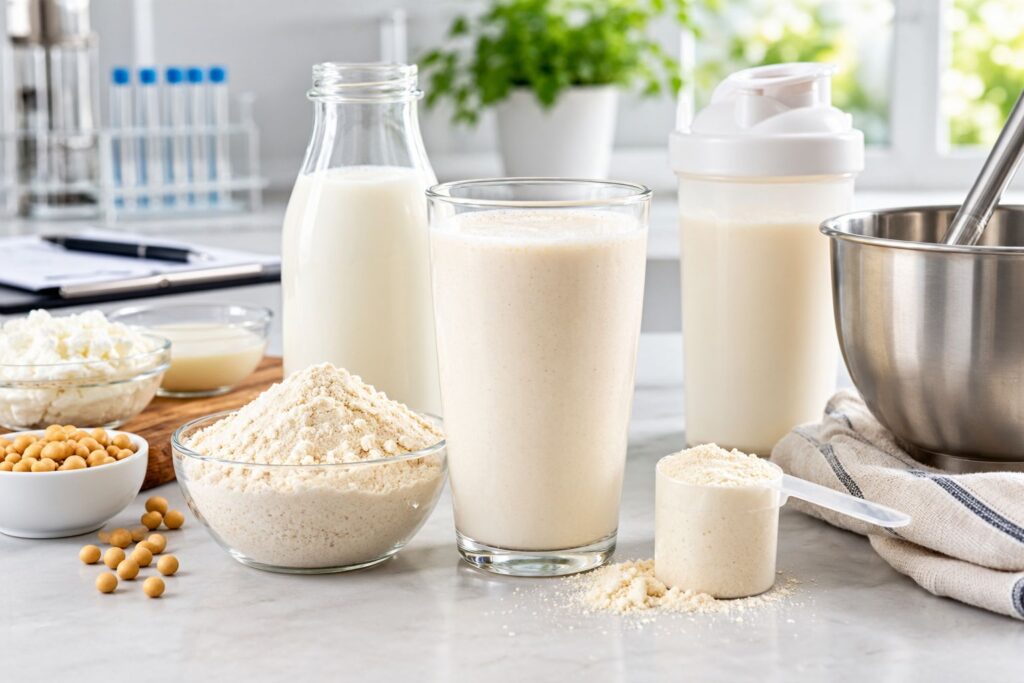
Whey protein isolate powder and protein shake
FFCE

Exploring the Benefits of Whey Protein Isolates

Whey Protein Isolates Power Your Goals with Pure Protein! Whey protein isolates, or WPIs, are rich in protein and low in fat and carbohydrates, containing key amino acids, hence ideal for building and repairing muscles. Therefore, the supplement is suitable for both athletes and those desiring enhanced nutrition since WPI helps improve immunological health. One of the most popular whey protein isolates among athletes, fitness-conscious individuals, and health-aware people is for boosting their intake of protein. Compared to whey protein concentrates, WPIs are concentrated using a more complex method that yields higher concentrations of protein but less lipids and carbohydrates. For someone interested in enhanced muscle recovery, better body composition, or simply overall wellness, this is the ultimate supplement. High Protein Content The highest protein content is a characteristic of whey protein isolates, which also has several advantages. Usually containing 90–95% protein by weight, WPIs are very suitable as a source of lean protein for muscle growth and recovery. Especially athletes will highly appreciate this high-protein content. Quick Absorption to Promote Muscle Repair When the muscles require protein for growth and repair after exercise, rapid absorption of whey protein isolates by the body is critical. WPI aids in increasing muscle protein synthesis, reducing muscle soreness, and hastening recovery following exercise, all of which enhance overall fitness outcomes. Rich in Essential Amino Acids Since whey protein isolates contain all the nine essential amino acids, it is a complete source of protein. Among these amino acids, leucine, being the main constituent of muscle protein synthesis that promotes lean muscle mass building and gives better muscle tone, is relatively higher in their count. Immune System Support whey protein isolates support immunological wellness, too. They incorporate bioactive constituents such as lactoferrin and immunoglobulins to enhance immunity; this enhances the immunity but lowers the chance of occurring disease. Conclusion Whey protein isolates have many benefits from muscle recovery and growth, weight management, and support for immune function. This can be an athlete, fitness enthusiast, or simply one who wants to enhance his nutrition. With WPI (Whey protein isolates), you can be better at reaching your health and fitness goals.

Smoothie formulations with fruits, vegetables, protein, seeds and healthy ingredients
FFCE

Perfect Smoothie Formulations: A Guide to Crafting Delicious Blends

Fuel Your Day with Perfectly Blended Smoothie Formulations! Smoothie formulations begin with a liquid base, such as almond milk or coconut water, mixed with fruits, such as bananas and berries, for sweetness. Boost with protein (Greek yogurt, nut butter), healthy fats (avocado, chia seeds), and superfoods like spirulina to make a healthy, delicious drink. Smoothies also contain vitamins, minerals, and good fats to fill your day in a delicious and nutritionally fulfilling way. When you hit the perfect key to your ideal smoothie formulation, whatever time you have them either for breakfast, that post-workout snack, or just a cool treat-you get to always make the perfect one with the help of this instruction. Choose the Liquid Base The first step in making a smoothie is to choose the right liquid basis. Some of the most popular options include basic yogurt, almond milk, and coconut water. If you like a thicker texture, oat milk or coconut milk are good alternatives. Plant-based milks are perfect for a dairy-free alternative and are very subtle in taste. Add fresh fruits and vegetables Fruits make up the majority content of smoothies because they natively flavor and color it naturally. Great fruits that will be perfect for using on a smoothie are such as pineapple, mangoes, berries, and banana. Add the vegetables by putting carrots, spinach, or kale in them. Greens that have moderate flavor yet are plentiful with vitamins and fiber and thus very easy to mix with your recipes. Boost with Protein Make a complete meal by adding the protein source to your smoothie. Nut butter, be it almond or peanut butter; Greek yogurt or protein powder can be added in. They give smoothness to the smoothie, and you’ll find it keeps you full longer. Sweeten Naturally Healthy sweeteners like honey, maple syrup, or dates will make the smoothie more delicious if fruits don’t make it too sweet. As for sugar-free options, one may add sweetness to the smoothie without having to ingest extra calories with the help of stevia or monk fruit extract. Add Healthy Fats Besides making your smoothie look more filling, healthy fats improve the body’s uptake of fat-soluble vitamins. Add components such as avocado, flaxseeds, chia seeds, or just a few nuts to extract extra nutrients and smooth out the texture. Enhance with Superfoods: Add some goji berries, maca powder, acai, or spirulina to boost your smoothie. Such nutrient-dense foods give various health benefits in addition to unique flavors. Conclusion A smoothie formulation achieves the perfect ideal if balanced between taste and nutrition. Through choosing ingredients you feel comfortable experimenting with and through proper selection, you may well come up with a smoothie tailored to your needs and taste preferences. Start mixing and taste the delicious.

Scroll to Top

Your Trusted Food-Tech Partner Simplifying Solutions, Maximising Success

    Your idea is 100% protected by our Non Disclosure Agreement

    What is Refresh icon

    Your Trusted Food-Tech Partner Simplifying Solutions, Maximising Success

      Your idea is 100% protected by our Non Disclosure Agreement

      What is Refresh icon

      Your Trusted Food-Tech Partner Simplifying Solutions, Maximising Success

        Your idea is 100% protected by our Non Disclosure Agreement

        What is Refresh icon

        Powering your food business forward