
FFCE

Now Hiring: Are you a driven and motivated 1st Line Food Technologist?

Author name: Admin

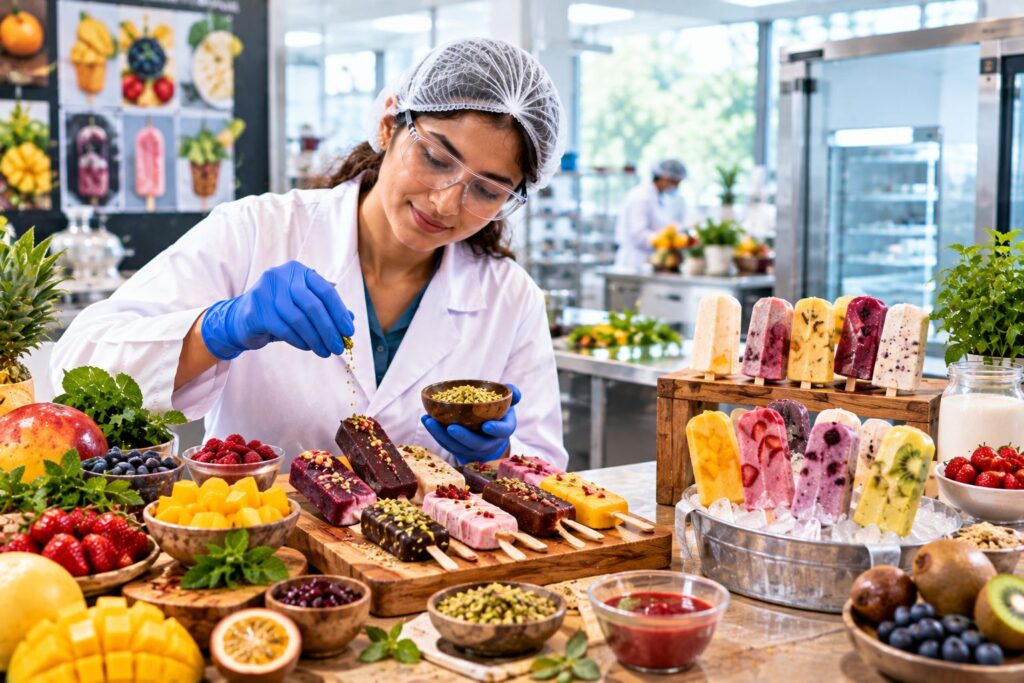
Artisanal fruit ice creams made with fresh fruit flavors in India
FFCE

Artisanal and Fruit Ice Creams in India

India’s ice cream sphere, based steadily on dairy-centric vanilla, chocolate and butterscotch flavors, is witnessing an energy shift as consumers incrementally transition toward discovering a new category consisting of premium, natural and healthy desserts, making artisanal and fruit ice creams a rapidly growing category. Unlike traditional mass produced ice cream, artisanal ice creams focus on artisan quality, batch size and a healthy balance of flavor as well as creativity. This growth category provides multiple first-mover opportunities to both new entrants as well as legacy brands switching to providing an extended portfolio of ice cream brands. However, behind the luscious scoop of flavors is a fine web of technical processes, quality formulation challenges, and a regulatory system which requires technical expertise. Products developed 0 + Years experience 0 + Countries served 0 + Clients served 0 + Technical Elements of Artisan Ice Cream and Fruit Ice Cream Production Although the artisanal aspects revolve around the craft, the technical process of ice cream making cannot be ignored. The technical aspects can be considered together: 1. Formulation Milk solids (MSNF: Milk Solids Non-Fat), milk fat, sugar, stabilizers, and emulsifiers have to be proportioned to create a favorable texture, overrun, and mouthfeel. In fruit ice creams, excessive water activity (aw) from fruit pulp may cause ice crystal growth. This is regulated with stabilizers such as guar gum, locust bean gum, or pectin. Sugar substitution with stevia, erythritol, or inulin for reduced calorie formulations involves the modification of freezing point depression and texture adjustment. 2. Processing Steps Pasteurization is the process of heating milk below boiling point, usually for around 25 seconds at 80 degrees Celsius. Homogenization: The milk is homogenized following pasteurization.  In order to give the combination smoothness, consistency, and homogeneity, it is essential to minimize the size of the fat globules.  Usually, high pressure conditions—roughly 150 bars—are used for it. Aging: Hold mix at 4°C for 4–12 hours for fat crystallisation and protein hydration. Freezing: Dynamic freezing involves controlled overrun (30–60% for artisanal, as opposed to 90–100% for commercial). Hardening: Fast cooling at -35 to -40°C to stabilize the structure and avoid recrystallization. 3. Fruit Integration Challenges pH equilibrium: Acidic fruits such as lemon, orange, or pineapple can induce protein destabilization. Stabilizers need pre-treatment. Enzymatic browning: Fruits such as banana and apple need blanching or treatment with ascorbic acid. Microbial load: Tropical fruits require pre-pasteurization or aseptic fruit purees in order to provide shelf stability. 4. Shelf Life Issues Artisan ice creams usually have shorter shelf life (2–3 months) than industrial ice creams (up to 12 months). Packaging in low OTR films or HDPE tubs contributes to extended shelf life. Cold chain integrity (-18°C or lower) is essential in order to prevent recrystallization and loss of quality. Role of Food Consultants such as FFCE (Frontline Food Consultants and Engineers) More than creativity in flavor does an artisanal or fruit-based ice cream brand need to be successful. Consultants such as FFCE offer end-to-end expertise, including: Formulation Development: The correct mix of dairy and fruit, low sugar or vegan versions, minimum overruns and achieving desired texture. Process Optimisation: Advice on small batch or semi-automated pasteurisers, homogenisers, and freezing requirements. Equipment Selection: Advise clients on batch freezers, continuous freezers, pasteurisers, homogenisers, and hardening tunnels, based on scale, technology and budget. Quality and Safety Guidelines: Advice on HACCP, FSMS, FSSAI Regulations – especially for higher fruit content products (higher microbial risk). Market Positioning: Identifying premium niche products – clean label, vegan, sugar-free, or regionally focused fruit based ice creams. The Future in India Functional Ice Creams: Containing probiotics, prebiotics, or plant protein fortification. Integration of Regional Fruits: Jamun, kokum, amla, jackfruit, and sapota could produce a “local super-fruit”. Global Artisanal Influences: Low-fat gelato type products, Japanese matcha ice cream, or Korean sorbets made with fruit will all have an impact on India’s premium segment. Vegan and Plant-Based Growth: Dairy-free ice cream options (including almond, coconut, oat, and soy) with real fruit as an ingredient will continue to gain market share. Conclusion Fruit and artisanal ice creams are no longer an indulgent way to appeal to a niche market – they are becoming a mainstream premium product in the Indian food market. Success in this area will require some manner of culinary creativity and technical sophistication. Every detail is significant, from formulation stability to equipment selection, to cold chain management. With the help of knowledgeable food consultants including FFCE, busness owners are able to manage the complexity of factors to create novel, safe and marketable ice cream products that reflect India’s evolving palate.
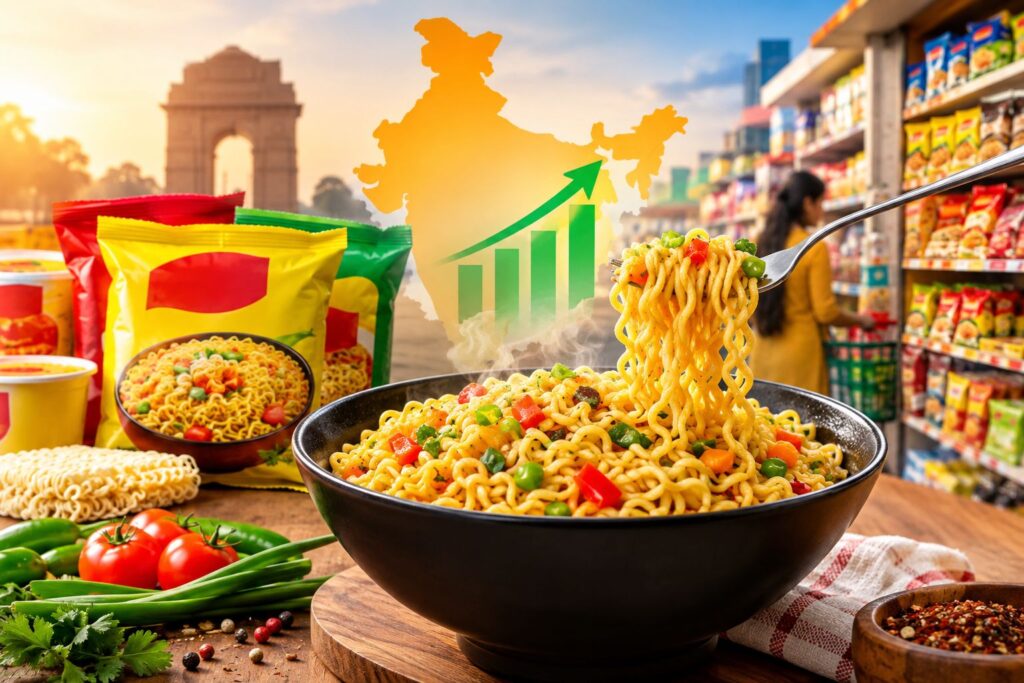
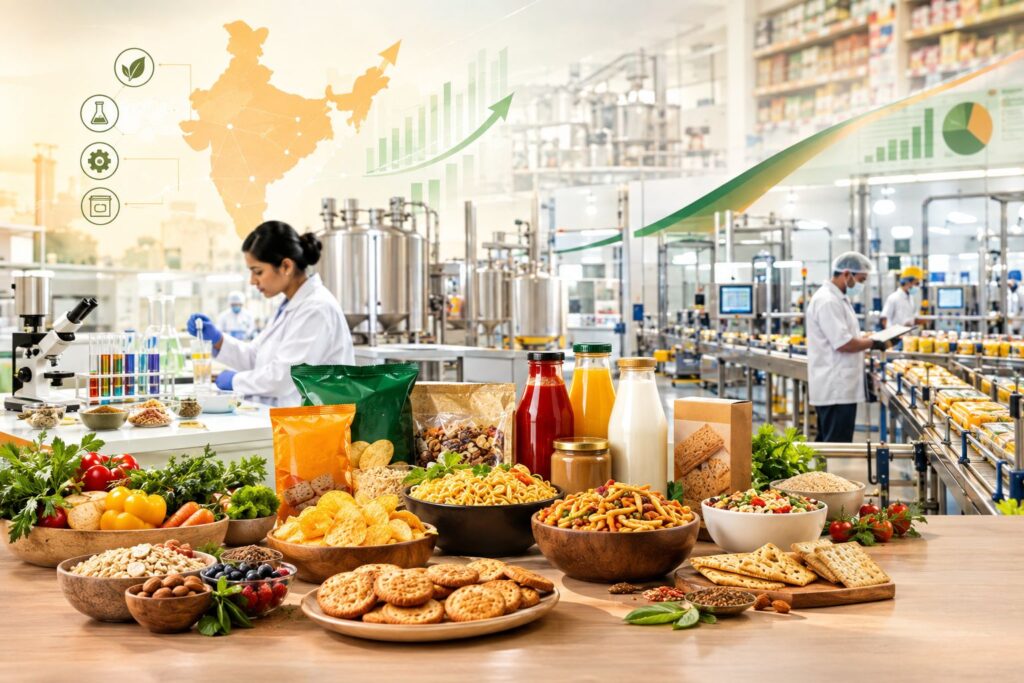
Instant noodles products representing the growing instant noodles market in India
FFCE

Instant Noodles Market in India

In India, instant noodles represent one of the most popular ready-to-cook (RTC) products, combining convenience, affordability and taste. Instant Noodles in India have come a long way since their entry into the market in the 1980’s, moving from masala noodles to a greater variety of flavors, health focused and premium gourmet segments. Furthermore, with the increasing consumer trend of demand for quick meals, the instant noodles market will likely continue to expand in the future, especially with the growing young demographic in India. This blog introduces some of the technical aspects of instant noodle manufacturing, new flavor trends and potential for new businesses in the instant noodle sector. Products developed 0 + Years experience 0 + Countries served 0 + Clients served 0 + The Manufacturing Process of Instant Noodles  In order to provide a consistent product, the highly standardized method of making instant noodles integrates formulation science, food engineering, and packaging technology.  Among the fundamental steps are: Making the dough and blending the flour A flour source is the primary component; blended/grain flours, buckwheat flour, millet flour, and rice flour are increasingly used. A supply of flour is combined with water (30–35%) and useful additions like: Use alkaline salts (kansui: sodium/potassium carbonate) for texture and flexibility. Guar gum and CMC are examples of hydrocolloids that improve mouthfeel and water retention. Protein fortification (whey protein, soy protein) – for high protein noodle curls. To achieve consistent gluten formation, the dough is mixed at a controlled amount of shear. Sheeting and Slitting Dough is sheeted to 0.8–1.2 mm thickness using rollers. Successive laminations align gluten strands for elasticity. Sheets are slit into strands (1–1.5 mm wide) using cutters. Steaming The noodle strands are cooked in steam for approximately three minutes at a temperature of 100 degrees celsius. This process then facilitates the noodle cooking process during final preparation of the ready to cook variants. It pre-gelatinises the starches, which facilitates rehydration. Frying / Non-Frying Drying Methods Fried noodles – strands are fried in palm oil at 140–160 degrees Celsius for 60–120 seconds, which decreases moisture level to ~3–5% while forming a porous structure for improved rehydration. Air dried or baked noodles, these are available for health conscious consumers, but you really need good control on drying to rehydrate to the same level. Preparing the Seasoning Spices, hydrolyzed vegetable proteins, yeast extracts, dried veggies, or freeze-dried meats are included in the majority of sachets. You will typically find emulsified flavor oils provided separately to amp up the aroma. Packaging Packaging films have been engineered to provide oxygen and moisture. They can provide an oxygen and moisture barrier for a longer shelf life (6-12 months generally). Nitrogen flushing was used initially to protect against the fat in fried noodles from oxidizing. Technical Challenges and Pain Points While instant noodles exist in numerous developed and developing regions, manufacturers are faced with several challenges: Quality of Oil in Frying: The stability of palm oil and the risk for oxidation affects the shelf life of the instant noodles and the stability of the flavor. Work is looking into blending with rice bran or sunflower oil. Health Concerns: Elevated sodium levels and fried formats cause regulators and consumers to be more cautious. There is significant work on reformulation with salt replacers (potassium chloride) and using non-frying methods. Fortification: Because heat processing may affect sensitive vitamins stability, fortification studies using micronutrients include iron, zinc not to mention vitamin A, must be developed when fortifying instant noodles. Flavor Consistency: When testing sensory testing following key taste qualities including traditional Indian flavours (masala, curry, and biryani), it is important to find a good balance with selective non-Indian consumers. Sustainability: Producers are adopting the recyclable films and environmentally friendly pressure acts from consumer agencies. New Flavors and Product Innovations The Indian instant noodles space has expanded beyond just “masala” noodles. The companies which operate in this category are innovating rapidly in product form and flavor: There are different noodles with regional flavors, such as Bengali mustard, Punjabi tadka, Kashmiri yakhni, sambar, and others. Glocal Flavors: there are noodles inspired by Italian pesto noodles, Japanese miso, Thai tom yum, and Korean hot ramen. Multigrain( quinoa, oats, millet) all healthy alternatives to noodles.  Dairy and pulse proteins are added to high-protein noodles. Low fat, baked, or air-dried formats. Whole freeze-dried vegetable pieces, dehydrated paneer, soy protein, or chicken chunks for a gourmet look are examples of premium add-ons. For the health-conscious young urban consumer, nutritionally fortified noodles include those that contain plant proteins, probiotics (encapsulated), or prebiotic fiber (inulin). Entry Points for New Food Businesses The instant noodle market in India has several entry points: Regionalization: Products based on local food traditions (e.g., pindi chole noodles, dhokla flavors). Health and Wellness: Noodles could be positioned to urban millennials and Gen Z as un-fried, fortified, or millet-based products. Premium Imports: With demand for Korean ramen and Japanese udon increasing Indian consumers might appreciate Indian based equivalents at an accessible price point. Sustainability Angle: Sustainable packaging, clean-label seasoning restaurant alternatives, and palm oil. Function of Food Consultants like FFCE Starting an instant noodles business requires expertise across R&D, engineering, regulations and supply chains. Food consultants like Frontline Food Consultants and Engineers (FFCE) are able to assist companies in the following: Product Development: Custom formulation for health, regional, or premium instant noodles. Process Selection: Selection of extrusion-cooking line, fryer and dryer technologies. Fortification: Fortified noodles that meet FSSAI standard. Conduct Sensory and Shelf-life studies: Consistency of flavor, texture, or microbiological safety throughout shelf life. Machinery – and plant development: Whole-line support of sourcing, layout development, and installation of noodle lines. Regulatory: Recognize codex, FSSAI, and export regulations for foreign markets. Conclusion The instant noodle market in India has changed from being a single-flavor, single-format product to a broad category that now includes premium, regional, and health varieties.  Both current and new competitors in the market have opportunities because to the creative advancements in processing, flavoring, and packaging technologies as well as the rising customer acceptance of convenient, healthful meals.  Businesses may overcome technological and regulatory obstacles to succeed in this cutthroat but developing

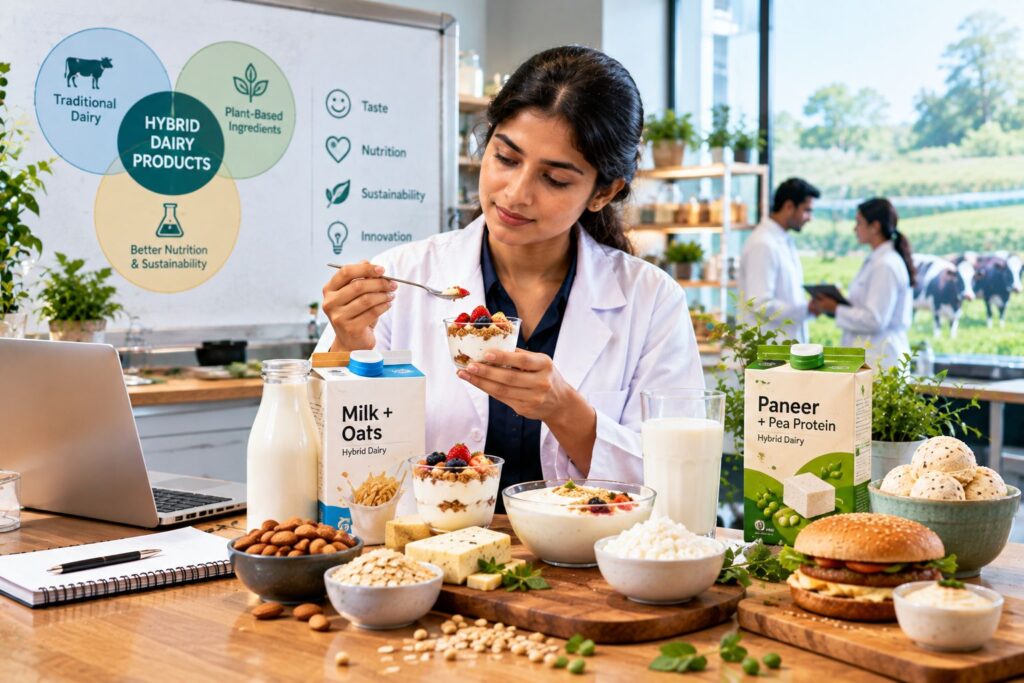
Hybrid dairy products representing emerging dairy innovation and market trends in India
FFCE

Hybrid Dairy Products Market in India

The Indian dairy industry is one of the largest and fastest-growing globally, with milk and dairy products considered staples of everyday nutrition. Consumer attitudes have started to shift toward consuming hybrid dairy products – foods that blend traditional dairy and plant ingredients or enhanced functional ingredients. The current opportunities correspond to the addition of healthy, clean and innovative dairy formats, an exciting opportunity for established and new players in the Indian food space. Hybrid Dairy Products: A Definition Hybrid dairy products are novel combinations of plant-based substitutes (with sources including soy, oats, almond, coconut or pea proteins) or enhanced functional components (with potential improvements including prebiotics, omega-3’s, nutritional fibers, or natural sweeteners) with milk bases (e.g., cow, buffalo, camel). Here are some examples: Hybrid yogurt – are dairy/oats/soy based yogurt for a creamy feel and additional fiber. Hybrid ice creams – which are based on dairy cream plus almond or coconut milk, for a lighter overall profile. Hybrid cheeses – which have added plant oils or proteins for improved nutrition with less saturated fat. Hybrid protein drinks – which are whey proteins combined with plant proteins for a complete amino acid profile. Products developed 0 + Years experience 0 + Countries served 0 + Clients served 0 + Technical Aspects of Hybrid Dairy Product Development 1. Problems with Formulation Protein compatibility: The solubility, pH stability, and heat stability of plant proteins and dairy proteins (casein and whey) vary.  Lipids: Lipids can actually show altered functionality when treated at different stages of development into fat phase specs. Sometimes we do require emulsifiers and stabilizers such as locust bean gum, carrageenan, and maltodextrins. Flavor masking: Most plant proteins come with earthy, beany overtones from the plants they were obtained from. The sensory acceptability of the plant proteins could be improved through fermentation processes, enzymatic hydrolysis, or by adding natural flavorings. Fat phase: We need to use plant oils (coconut, sunflower, canola, etc.) to achieve (appropriate) melting behaviours and mouthmouthfeel of dairy fats on a lipid spec. 2. Technologies for Processing UHT/HTST  Although hybrid systems can have problems with protein precipitation and denaturation, pasteurization is essential for microbiological safety. Homogenizing: For both animal and plant proteins, high-pressure homogenizing would help to emulsify and distribute fat and protein components. Fermenting: Live cultures such as the Bifidobacterium, Lactobacillus are mostly included in the hybrid yogurt and beverage formulations. Spray drying and encapsulation: protein formulations for blends and hybrid milk products in encapsulated format may protect nutrients (e.g., probiotics, omega-3s) from degradation during processing. 3. Shelf-Life Stability Hybrid products are susceptible to phase separation and sedimentation due to differences in protein isoelectric points. Hydrocolloids should help, and fat globule size and proper packaging (using aseptic PET bottles, for example, rather than glass bottles or Tetra Pak using sterilized filling machines, etc), will aid to make the system more stable. Additionally, regarding the way plant oils in hybrid products are sensitive to O2, consider modified atmosphere packaging (MAP) or an antioxidant in the product (such as vitamin E, rosemary extract, etc.). 4. Regulatory and Safety Considerations in India FSSAI Guidelines: The requirement of clear labeling for all products is especially important because the products combine dairy and plant bases. Statements on product attributes such as “lactose-friendly” or fortified must be FSSAI compliant. Allergen labelling: Because plant-based ingredients can contain soy, nut or gluten-based components, those conditions must be labelled for consumer health safety. HACCP / FSMS requirements: Hybrid systems require additional consideration for microbial hazards and additional steps in monitoring for the microbial safety of plant-based ingredients as they can amend the localized microbial contaminants.      Market Environment and Consumer Trends Health-conscious consumers: Hybrid dairy is meeting Flexitarian diets: The flexitarian cohort, or first-time consumers of hybrids, is growing as consumers seek balance—not fully vegan diet, but willing to explore blends. Premiumization: Urban India, particularly with rising disposable income, yearns for artisan and functional hybrids like high-protein yogurt and oat-based dairy beverages. Flavours and innovation: Global influences are also in the blend with exciting offerings like matcha dairy products, almond and cow milk lattes, or turmeric and plant dairy products. Role of Food Consultants like FFCE Working with a hybrid dairy product in India requires the right technical and regulatory expertise. Here is where food consultants such as Frontline Food Consultants and Engineers (FFCE) can be invaluable: Product formulation & R&D: Creating stable dairy-plant protein matrices, optimizing flavor, and adding functional fortification. Process design & machinery selection: Helping manufacturers choose the UHT, homogenization, fermentation and spray dry equipment to successfully create hybrid products. Quality & Safety Compliance: Creating and implementing a HACCP plan, FSMS and FSSAI compliant labels and nutritional claims. Shelf-life studies:  Conducting accelerated shelf-life tests and stability studies. Market entry strategy:  Advising new and established brands on the successful placement of hybrid dairy products in the crowded FMCG space in India. Future Outlook Hybrid protein powders & sports nutrition drinks. Gut-friendly probiotics in hybrid yogurt formats. Low-fat hybrid cheeses in quick service restaurants and retail. Hybrid dairy desserts (e.g., kulfi-style, which is made from a coconut base, paneer-based on an almond milk blend). Export opportunities: Indian companies can target export of hybrid dairy categories to Middle East and Southeast Asia, where flexitarianism is greatly increasing. Conclusion Hybrid dairy product portfolios present a mix of tradition and innovation that provides all the nutritional goodness of milk products with the sustainability and functionality of plant-based ingredients. The mash-up of nutrition and sustainability meets changing consumer preferences in India, and companies entering the hybrid dairy space will have vast opportunities for growth potential. Using a food consultant like FFCE can help entrepreneurs to manage their technical challenges, regulatory issues, and sensory attributes to help them tremendously with entering the market place to gain long-lasting consumer acceptance.

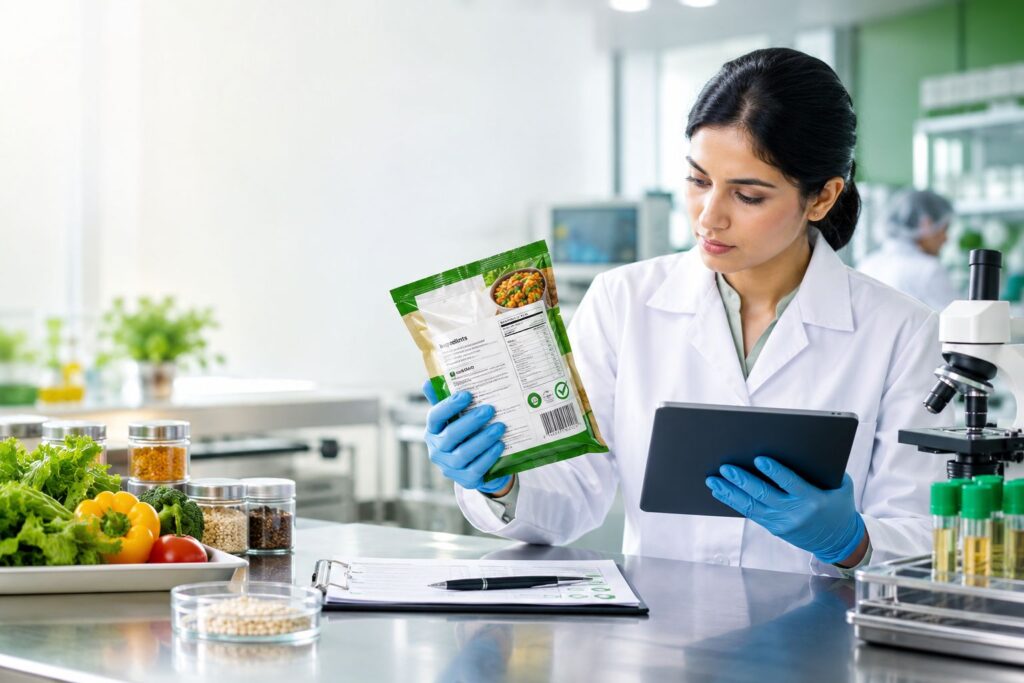
Food product labelling with FSSAI compliance information and nutritional details
FFCE

Importance of Food Labelling

Food labelling is not simply design or snazzy wording – it is an essential component of food safety, compliance, and consumer trust.  In India, the regulations on food labelling are bolded by the Food Safety and Standards Authority of India (FSSAI), which is a compliance requirement for all food labelling in their products, which is an important check point in both approvals and launch to market for food business operators (FBO).  In many cases, getting labelling correct is just as important as the formulation of the product itself, since errors can lead to costly penalties, recalls of product, and loss of consumer trust.  This is where a food expert like Frontline Food Consultants and Engineers (FFCE) can add great value to the project. Why Food Labelling Matters Regulatory Compliance The food label is the first acceptable evidence of compliance within FSSAI regulations; it conveys that the food item is safe for human consumption and has passed along all required information to the consumer. Consumer Transparency Labels provide consumers with the information they need to make their own informed decisions containing ingredients, allergens, nutritional information, and claims, (for example, “low fat”, or “high in protein”). Market Positioning An effective label delivers the brand’s promise to the consumer, fosters trust and builds the separation of a product in a crowded marketplace. Traceability and Accountability Labels, in the case of food safety investigations or recalls, provide evidence in the form of accountability. Technical Aspects of Food Labelling under FSSAI The Food Safety and Standards (Labelling and Display) Regulations, 2020 require the following technical elements to be in practice: Compulsory Information Product Name: Food and beverage names ought to be informative and clear (for example: Mango Flavoured Carbonated Drink). List of Ingredients: A list of ingredients must be given in descending order of weight/volume as they were at the time of manufacture. Nutrition Information (per 100g/ml and per serving): Energy (kcals) Protein (g) Carbohydrate (g) (with a separate declaration of sugar.) Fat (g) (with a separate declaration of saturated and trans fat.) Sodium (mg) FSSAI Logo and License Number, providing traceability. Allergen Declaration: Required for, but not limited to gluten, soy, nuts, milk, fish etc. Veg/Non-Veg Symbol: Green/Red logo according to ingredient source. Net Quantity: By weight, measure or count. Date Marking: “Best Before” and “Use By” detail. Batch Number/Lot Number/Code Number. Manufacturer Details including, name, address and contact details. Front-of-Pack Labelling (FoPL) For packaged products that contain high fat sugar or salt (HFSS), the FoPL guidelines require identifying nutritional thresholds. Health logos or health warnings may soon become mandatory in India according to global best practices. Health Claims and Declarations Claims such as “Low Fat” “Sugar-Free” “High Protein” or “Fortified” where NuL is labelled must be evidence based and must meet FSSAI thresholds. False or deceptive health claims are subject to penalties. Type size, contrast and legibility The FoPL guidelines require prescribed minimum type sizes for mandatory information included on the labels. The labels must maintain legibility and should not be removable or incapable of being removed from the packages by the normal handling of the product. Additional Labelling for Certain Foods Infant food, dietary supplements, nutraceuticals – require cautionary and voluntary advisory and statement acknowledgments that the additional statements are not warnings. Imported food – in addition to the above labelling requirements, must meet labelling that is prescribed under the import regulations. Pain Points in Food Labelling for Businesses Constantly changing FSSAI strategies mean FBOs must regularly update their labeling. Inaccurate or incomplete labels can result in product rejections at the approval stage. Conforming to regulations, while ensuring a good label aesthetic must be a technically balanced label design. Dietary Calculations and ingredient declarations are often specialized based on scientific knowledge. Role of Food Consultants like FFCE This is where Frontline Food Consultants and Engineers (FFCE) provide significant value:. Regulatory Requirements: FFCE performs all tasks needed to ensure that your labels are compliant with the most up to date FSSAI, Codex Alimentarius or international standards if it is to be exported. Nutritional Panel: Use both software and laboratory testing to effectively calculate and format your nutrition panel. Ingredient and Allergen Mapping: Ensure full declaration of all minor ingredients, adding agents or processing aids. Packaging Support: Work with the packaging teams to design labels that marry compliance considerations with brand identity. Claim Verification: Supporting the business to provide scientifically based verification of claims, and to ensure any claims made can be supported such as “immunity boosting”, “high protein”, or “fortified vitamins”. Extending into the Global Market: For businesses with an aim to export, FFCE will assist in aligning labeling with regulatory requirements such as FDA (USA), EFSA (Europe) or GCC (Middle East). Future of Food Labelling in India Digital Labelling & QR Codes:  Future-ready options will include QR codes, which can offer traceability, sourcing information and additional nutritional information. Smart Labelling:  AI-based, consumer-driven recommendations. Sustainability-focused Tags:  Carbon footprint, water usage and environmental labels are now coming into play. Conclusion Food labelling in India has transitioned from a formality for compliance purposes to an essential reputation builder, a method of establishing trust with consumers, a brand identifier and an agency of food safety. As consumer awareness has increased and evolution of FSSAI regulations continue, there is no margin for error or vagueness in labelling. Partnering with the experts like Frontline Food Consultants and Engineers (FFCE), makes it easy for businesses to know that every product they launch into the market will be compliant, transparent, market ready and globally competitive.

Hydration and sports drinks representing the growing beverage market in India
FFCE

Hydration Sports Drinks Market in India

India’s beverage industry is undergoing fast-paced evolution with hydration sports drinks as a high growth segment. Since hydration sports drinks have been historically reserved for professional sportspersons, bottled beverages are now adopted by health enthusiasts, city youth, and white-collar workers susceptible to dehydration due to heat and humidity. Even though the market opportunity poses challenges when it comes to formulation. In contrast to beverages, hydration drinks must achieve a balance between energy, electrolytes, sensory quality, and safety, with several of the products being made for a regulated beverage product. In this context, it is necessary to involve food consultants like Frontline Food Consultants and Engineers (FFCE) to develop effective products. Products developed 0 + Years experience 0 + Countries served 0 + Clients served 0 + Technical Backbone of Hydration Drinks Hydration sports drinks are exercise physiology and fluid replacement science-based. Effective athletic hydration beverages in terms of composition formulation, stability, and bioavailability: Science of Formulation If there is not enough there is no beverage. If there is too much, the restrictor of proper absorption is stomach discomfort. FFCE consultants create formulations from simulation models and testing to match absorption rates to physiology. Carbohydrates ISOTONIC (6–8% carbs): Ideal for endurance activities (e.g., running a marathon). HYPOTONIC (<4% carbs): Rapid fluid replacement, no excess calories from energy to replace. HYPERTONIC (>10% carbs): Sustainence of glycogen stores after exercise. Carbohydrates can be made of glucose, sucrose, maltodextrins, or more recently palatinose or resistant starch to provide slow energy. Consultants can classify a secure ratio for energy delivery and osmolality to maintain gastric emptying. Acid-base Balance Drinks are produced from a formulation with a pH usually 3.0 – 4.2 to decelerate microbial break down and maintain favorable taste of drink. Citric acid or sodium citrate are typical buffers; consultants will give the best possible buffers for flavor retention + microbial stability. FFCE confirms impact of these additives on electrolytes to cut out risk of precipitation or off flavors. Processing Technologies Hydration beverages need to be microbiologically safe but rich in nutrients. Consultants consider the optimum processing route: Pasteurization (72°C for 15 sec) – Most commonly used for regular hydration drinks. UHT Treatment (135–140°C for 3–5 sec) – For products of long shelf life (6–9 months). Aseptic Filling – Avoids post-treatment contamination. Consultants such as FFCE assist customers in making decisions on process combinations for target shelf life, cost structure and package. Packaging technology and Shelf-Life PET Bottles with Oxygen Scavengers – Anti-oxidize vitamin C and flavour. Tetra Pak Aseptic Cartons – Well suited for long shelf-life ambient storage. Aluminum Cans – The best oxygen barrier but more costly. Shelf-life testing is done with: Electrolyte stability of the beverages (Ion balance over time) Sensory testing (deterioration of flavour, off-odours) Microbe stability under stress To improve product length of use consultants complete real-time and accelerated shelf-life testing, simulated logistical conditions, and provide effective recommendations for stabilizers and antioxidants. India’s Regulatory Environment The FSSAI, as per the Food Safety and Standards (Food Products Standards and Food Additives) Regulations, 2011, has some guidelines on “Electrolyte Replenishment Beverages.” Requirements for label information Percentages of electrolytes such as potassium, sodium, magnesium, and chloride, etc Percentage of total Carbohydrates Separate declaration of sugar If sweeteners are used, they should be preceded by statutory warnings. Front-of-pack labeling (FoPL): FoPL should be declared if a drink contains more sugar or salt than is advised. Health Claims: No use at all of words such as “hydrates faster”, “replenishes electrolytes” and “energy booster” without scientific backing. Challenges for New Businesses Formulation–Taste Conflict: Technical excellence has a tendency to clash with acceptance by the senses of taste. Ingredient Interactions: Flavours and functional ingredients of natural origin have a tendency to destabilize electrolytes. Shelf-Life in Indian Climate: Excessive heat accelerates flavour/nutrient breakdown. Cost vs. Functionality: Imported amino acids and electrolytes drive up costs of production. Regulatory Rejects: FSSAI can reject labels, claims, or wrong formulation. How Food Consultants such as FFCE Make it Happen Food consultants are the connecting link between science, regulation, and marketability. R&D & Formulation: Developing stable, taste-sensible, and physiologically active hydration drinks. Operational Optimisation: Deciding pasteurization/UHT, stabilizers, homogenization. Shelf-Life Testing: Performing real-time & accelerated studies to establish safety & functionality. Regulatory Submissions: Composing labels, validating claims, FSSAI approval. Ingredient Sourcing: Understanding quality and pricing for electrolytes, and flavors & additives. Market Positioning: Recommendations for, flavor localization (specifically: nimbu, kokum, mango); packaging types (RTD bottles, sachets, powders) and ,differentiation by consumer type.positioning. In essence, FFCE ensures that hydration drink projects move from concept to commercialization with minimal risk and maximum efficiency. Looking Ahead for India Specific Regional Options: Regional drinks, will get the most traction with flavors like aam panna, kokum, or masala nimbu being the most accepted. Premium functional drinks: Drinks that have antioxidant, adaptogen, or plant proteins claims. Export Opportunities: India will enjoy the lowest production price in Asia, the Middle-Easte, and Africa. Conclusion The Indian sports drink category and market for Hydration are ready and primed for growth explosion; yet, technical intricacy derive from experts in nutrition science, engineering, regulatory, and sensory. Hence, be a startup or established company, engagement with food consultants, such as Frontline Food Consultants and Engineers (FFCE), can be a guarantee of quality-made science-based, FSSAI-approved, shelf-stable, consumer-friendly goods. From concept to factory establishment to branding initiatives, FFCE has facilitated an end-to-end consultancy process and a platform for companies to engage in this high growth segment of the Indian beverage space.

Biscuits and crackers representing the growing packaged snack market in India
FFCE

Biscuits and Crackers Market in India

The Indian biscuit and crackers industry is one of the more developed segments in the bakery industry worth over ₹ 45,000 crores, and is progressively rising because of lifestyle changes and urbanisation and increased demand for convenient foods. Though the market is largely based on traditional glucose and cream biscuits, there are a range of digestive biscuits, multigrain biscuits, protein biscuits, sugar-free biscuits, artisanal crackers and premium biscuits as well. With consumers becoming increasingly health and functionally conscious, as also desiring more indulgent snacks, manufacturers of biscuits and crackers market will encounter technological barriers, regulatory barriers, and barriers with developing products that can address consumers’ needs; here come the food consultants like Frontline Food Consultants and Engineers (FFCE) to assist companies to reformulate, scale-up, and produce within constantly changing regulatory requirements. Products developed 0 + Years experience 0 + Countries served 0 + Clients served 0 + Technical Aspects of Biscuit and Cracker Production Production of biscuits and crackers may seem simple to the user, but from a technical standpoint, it is a matter of meticulous engineering of formulation, process, and quality control. Science of Formulation Selection of Flour Soft wheat flour (7-9% gluten, low gluten) is ideal for the manufacture of a short, crumbling biscuit.  For the manufacture of crisp stackable crackers, hard wheat flour containing more gluten (10-12%) should be used. Blending of flours makes for proper dough rheology. Fat Systems Hydrogenated fats are being replaced by palm fractions, sunflower oil, or interesterified fats to achieve acceptable melting properties while meeting trans-fat free regulations. Specialists assist in making choices of fats that maintain a balance between texture, spread ratio, and shelf-life. Leavening Agents Sodium bicarbonate + ammonium bicarbonate used to generate CO₂ for lightness and porosity. Precision in dosing is paramount — too little causes biscuits to be hard, too much creates bitter aftertastes. Sugar Systems White sugar, invert syrups, or malt extract are used depending on the degree of sweetness and browning needed (Maillard reaction). Polyols (erythritol, maltitol) and natural sweeteners (stevia) are part of healthy formats. Functional Enrichments Whey protein and soy protein isolates are instances of protein enrichment. Chicory inulin, resistant starch, and oats are some examples of fiber enrichment. As per FSSAI fortification guidelines, micronutrient fortification consists of iron, calcium, and B vitamins. Process Engineering Dough Mixing: Hydration and gluten formation through controlled mixing. Baking shrinkage due to overmixing. Sheeting and Cutting (Crackers): Blister-free sheeting and docking to prevent blistering on baking. Forming (Biscuits): Rotary moulding or wire-cut machines for uniform shape and weight. Baking Parameters In order to make perfectly baked biscuits, a temperature range of 180 to 240 degrees Celsius is ideal, followed by the time of 5 to 20 minutes, which is completely dependent on the thickness, dough and type of biscuits to be baked. As far as moisture control is concerned, a minimum of 3% moisture is considered ideal/ Packaging & Cooling: cooled to avoid condensation following baking. Packaging utilized laminates that are oxygen and moisture barriers to maintain crispness. The consultants approach and modify these settings for energy efficiency, consistency and saving costs. Quality Control and Shelf-Life The greatest issue is movement of moisture which can result in soggy crackers and stale biscuits. Also, rancidity due to oxidation of fat must be controlled with antioxidants (such as tocopherols and rosemary extract). Microbial safety: Although low-moisture, spoilage may happen with improper processing during cream sandwiching or packaging. Shelf life testing accelerated: Consultants conduct shelf life studies under simulated Indian climatic conditions (30–45°C, 65–85% RH). Regulatory & Labelling Aspects The following nutritional content must be declared for biscuits and crackers, according to FSSAI regulations: Energy, Carbs, Fat, Sugar, and Protein per 100 g. Percentages of added sugar and trans fat. Allergen statements (for gluten, milk, soy, nuts). Fortification with logos for the micronutrients Experts like FFCE can assist manufacturers in label conformity, claim substantiation (e.g.: “source of fibre” or “no trans-fat”), and comprehension of front of pack labelling regulations (FoPL). Evolutions in the Indian Market Health & well-being biscuits Crispo’s functional protein cookies, diabetic cookies, gluten-free products Utilization of ancient traditional grains (such as ragi, jowar, amaranth) Artisanal and premium products Butter biscuits, gourmet crackers that include cheese, herbs or seeds Urban buyers, exporting as a market. Functional & Fortified Products: Biscuits fortified with minerals, vitamins, and probiotics. “Immunity booster” crackers after COVID. Localized Flavors: Masala biscuits or jeera crackers or possibly ajwain khakra in formats. Green Packaging: Employ recyclable laminates and biodegradable films. Food Consultants such as FFCE’s Role Food consultants bridge the technical know-how and business implementation gap for startups as well as established firms. Product Development: Formulation design, achieving the taste, health, and cost balance. Process Scale-Up: Scaling up from pilot plant runs to full-factory implementation. Machine Selection: Rotary moulders, laminators, tunnel ovens, and packaging line selection advice. Regulatory Compliance: Products satisfying export regulations, Codex, and FSSAI requirements. Shelf-Life Extension: Guidelines on packaging films, storage environment, and antioxidant systems Market Strategy: Consultancy on new-generation categories like protein biscuits, artisan crackers, and export SKUs. Conclusion Indian biscuit and cracker industry is transforming from plain glucose biscuits to functional and indulgent snacking foods. Opportunities are: Protein-enriched biscuits for gym-going individuals and adolescents. Export of premium crackers with Indian spice blends. Vegan and plant-based solutions Hybrid formats (probio-fortified cookies, functional herb multigrain crackers). As with more and more discerning consumers, innovative companies that are capable of fulfilling technical as well as regulatory needs will benefit — and working with experienced consultants like FFCE guarantees that they do so in a successful manner.

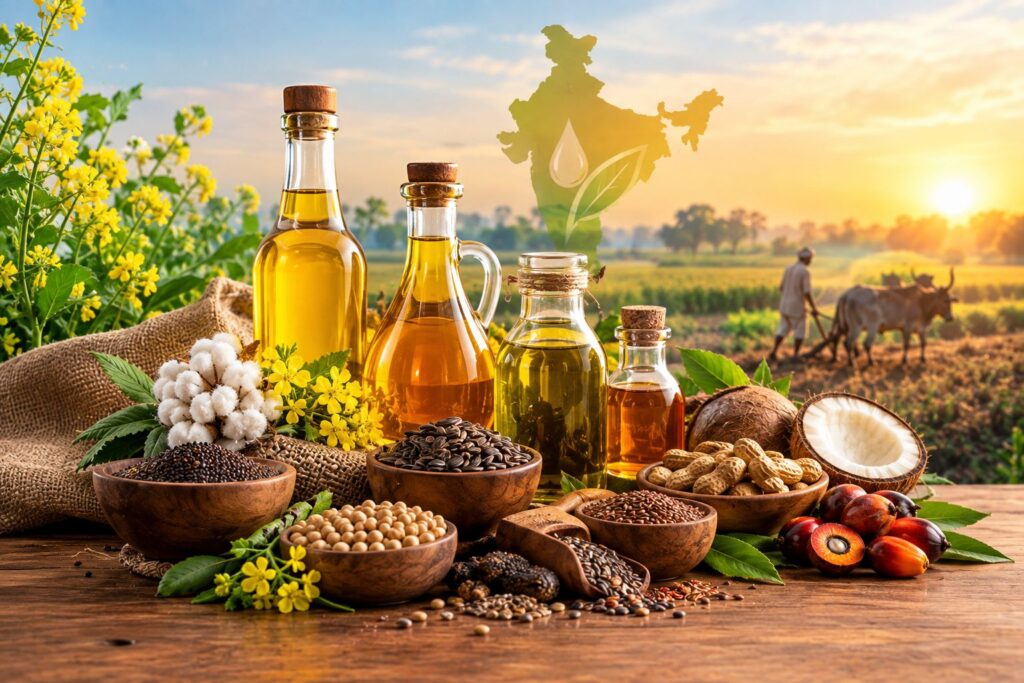
Traditional unrefined edible oils from India made using natural oilseeds
FFCE

Unrefined Oils of India

The edible oil market in India is one of the largest in the world, which is valued at over ₹2.3 lakh crore (about USD 27 billion, 2024 estimates). Although the shelves of retail stores are full of refined oils, unrefined oils are steadily showing increases in sales with more cold-pressed oils, ghani-pressed oils, and virgin oils being available to consumers. The trend is being driven by consumer demand for healthier, less processed, more genuine oils, especially in urban and premium segments. For new firms and new processors, there are significant opportunities within this industry. But unrefined oils tend to be much harder to produce due to technical aspects of stabilization, extraction, packaging, and regulation. Food consultants such as Frontline Food Consultants and Engineers (FFCE) help to fill the gap between traditional extraction methods and existing food technology and maintain product safety, market viability, and scale. Products developed 0 + Years experience 0 + Countries served 0 + Clients served 0 + What are Unrefined Oils? Unrefined oils are chemically and/or mechanically processed, and are not highly refined – e.g., bleaching, neutralization, and deodorization. They carry their own flavor, aroma, and bioactive compounds (e.g., polyphenols, phytosterols, vitamins). Main Categories in India Cold- Pressed Oils These are pressed out with the assistance of screw presses, and are handled at temperatures below 50°C. They maintain heat-sensitive antioxidants and flavor contained in the oil. Examples include cold-pressed sunflower oils, cold-pressed groundnut oils, cold-pressed coconut oil, and cold-pressed sesame oil Ghani pressed oils (Traditional Kolhu method) Seeds are crushed gradually in either wooden or metallic ghanis (mortars), These oils are cold pressed at room or slightly elevated temperatures. Ghani oils are pushed by rural and semi-urban consumers and viewed close to be Ayurveda or heritage foods. Virgin Oils Virgin coconut oil (VCO): derived from fresh coconut milk using centrifugation or fermentation. Virgin olive oil (import segment): experiencing expansion with increasing urban health consciousness. Virgin oils carry active natural phytonutrients and culture statistics in high-value segments e.g., nutraceuticals, cosmetics, gourmet food and cooking and others. Other conventional oils: Mustard Oil (Kachhi Ghani): distinct flavor and fragrance, quite popular in Eastern India. Groundnut Oil (Unrefined): flavorful, stable oil and used. Coconut Oil: edible and cosmetic applications. Technical Aspects in Unrefined Oil Production Producing stable, safe, and marketable unrefined oils requires meticulousness in engineering: Seed/Kernel Preparation Cleaning, dehulling, size reduction. Pre-treatment (groundnut and sesame by mild roasting) for enhanced taste and yield. Extraction Methods Cold Press (Mechanical Screw Press): bioactivities left intact with 28-32% efficiency. Traditional Ghani: low efficiency (approximately 10-15 kg/hr), labor intensive, real product. Centrifugation (Virgin Coconut Oil): separates the emulsion of coconut milk and oil. Filtration & Clarification Natural sedimentation, cloth filtration, or the contemporary plate-and-frame filter. Must balance clarity against retention of bioactives. Packaging & Stability Challenges include the oils’ unrefined state, rancidity, and the necessity to account for oxidation. Use packaging that has oxygen barrier qualities at all times (such as multilayer pouches, glass bottles, and amber PET). Keep it as little oxidized as possible at <25°C. Buying edible oils in smaller quantities and producing them frequently is another method of conserving them. Shelf-Life Considerations Typically 6–12 months, shorter than for refined oils. Must be subjected to accelerated shelf-life tests under Indian climatic conditions. Regulatory Environment (FSSAI) The Food Safety and Standards (Food Products Standards and Food Additives) Regulations, 2011 provide the following definition of edible oils provided by the FSSAI: Cold Pressed Oils: Mechanically derived only (no chemical treatment). Virgin Oils: Must possess specified peroxide values, acid values, and organoleptic characteristics. Labelling: there must be a clear declaration of type (cold-pressed, virgin, ghani) on labels. FoPL (front of pack labelling): mandatory in case of high saturated fats. Individuals like FFCE will manage compliance for labelling issues, FoPL, health claims and export certification (Codex, EFSA, USFDA). Market Size and Prospects for Growth The cold-pressed/unrefined oil industry in India is expected to be worth around ₹8,500 crore by 2024, with a compound annual growth rate of 12–14%. Urban Premium Segment: Cold-pressed coconut and groundnut oils, sesame oils, and their variations, marketed to consumers that are health-conscious. Exports: Increased virgin coconut oil, groundnut oil, and mustard oil demand, commands Middle East, European, and North American markets. B2B Demand: Unrefined oils are being used as functional ingredients in nutraceuticals, cosmetic and gourmet foods markets increasingly. Industry Challenges Oxidative Stability: Shortened shelf-life, vulnerability to rancidity. High Production Cost: Lower extraction yields compared to solvent extraction/refined oils. Market Authenticity Challenges: Refined oil adulteration waters down consumers’ confidence. Scaling Traditional Processes: Ghani pressing is old-fashioned but non-scalable. Role of Food Consultants such as FFCE Consultants offer end-to-end technical and strategic advisory: Product Development & R&D: Development of authentic formulations (cold-pressed/virgin) with improved stability. Establishment of Plants and Machinery: Some types of machinery are screw presses, ghanis, filter presses, and centrifuges. Shelf life can be increased by using natural antioxidants like tocopherols and rosemary extracts. Systems for Quality Management: Oil mills implemented HACCP, ISO 22000, and FSMS. Compliance & Licensing: Supported FSSAI licensing, labelling, and FoPL queries and also for requirements of exports. Market Entry Strategy: Guidance premium positioning, B2B, and entering nutraceutical/cosmetic sector. Future Issues Functional fortification is the process of adding vitamin E, plant sterols, or omega 3 to oils. Sustainable Oils: Cold-pressed oils made from underutilized or novel seeds including rice bran, flaxseed, and moringa. Hybrid Oil products: Cold pressed oils with infusion (herbs/spices etc.) for culinary use. Export Growth: Virgin coconut oil and mustard oil as “superfoods” in international health markets. Conclusion India’s unrefined oils market is a high-speed, premium, and health-driven category. While being driven by consumer awareness, processing, stabilization, and compliance technical challenges render it a complex undertaking to enter. By offering expertise in extraction processes, regulatory scenarios, plant cultivation, and product positioning, food consultants like Frontline Food Consultants and Engineers (FFCE) help companies successfully penetrate this new market — combining India’s centuries-old oil heritage with modern food science.

Dehydrated fruits and vegetables representing the growing food processing market in India
FFCE

Dehydrated Fruits and Vegetables Market in India

India’s food processing sector is changing fast, with dehydrated fruits and vegetables (F&V) among the most exciting B2B segments. Spurred by the rising demand for year-round availability, long shelf life, and convenience in industrial usage, dehydration has turned out to be a strategic pillar for QSR chains, institutional catering, packaged food industries, nutraceuticals, and exporters. India, with its status as one of the globe’s largest producers of fruit and vegetables (over 320 million MT every year, FAO 2023), is particularly well-placed to take this category in a leadership direction. The business, however, is technically demanding and involves close attention to process design, quality criteria, and regulatory requirements — all areas in which food consultants such as Frontline Food Consultants and Engineers (FFCE) play a vital role. Products developed 0 + Years experience 0 + Countries served 0 + Clients served 0 + Technical Aspects of Fruit and Vegetable Dehydration Dehydration is not merely about minimizing water content; it is about maintaining color, flavor, nutrition, and functionality in addition to shelf-life extension. 1. Raw Material Selection & Pre-Treatment Firmness, absence of flaws, Brix levels (for fruits), and maturity index are among the selection factors. Pre-processing is an important unit-operation where washing, peeling, slicing and corning, blanching is done. Cut Dimensions and Consistency:  establishes the capacity for rehydration and drying rates. Consultants aid in the specification of raw materials, acceptance criteria, and pre-treatment SOPs for industrial-grade dehydration. 2. Dehydration Technologies There are various drying techniques used based on the application: Hot Air / Tray Drying Shared for onion, garlic, ginger, leafy greens. Runs at 55–70°C, moisture level lowered to 4–6%. Economical but can lead to loss of flavor. Drying by Spraying: Useful for fruit and vegetable purees and juices (such as spinach, tomato, and mango extract). Produce a powder with less than 4% moisture. Maintains nutrient profile, color and aroma. Expensive; for expensive b2b, export and nutraceuticals. Drying,  can be done using a vacuum or microwave Rapid, cooler and more green Better retention of nutrients. Drum Drying: Employed to produce flakes/powders (e.g., potato, carrot, yam). Suited for instant soup mixes and infant foods. Experts assess process choice on the basis of product type, market, cost targets, and client positioning (domestic vs export). 3. Quality Parameters & Testing Colour (HunterLab values for apparent colour assumed): Colour is apparent if wanting to sell in food retail. Rehydration Ratio: Usable in soups, instant foods and ready meals. Microbial Standards: Must comply with FSSAI, Codex or importing countries including (total viable counts, yeasts/moulds, salmonella, E. coli). Residues: Pesticides and sulphites checked against compliance. FFCE consultants develop QA/QC procedures, HACCP-based measures, and laboratory testing protocols to satisfy demanding buyer requirements. 4. Packaging & Shelf-Life Management Barrier packaging:  LDPE/foil laminations as an infiltration barrier to moisture. MAP (Modified atmospheric packaging): Provides shelf life extension, particularly freeze-dried fruits. Bulk packaging: 20-25 kg corrugated boxes with liners used for B2B supplies. Shelf life: 12 – 24 months under accelerated and real-time storage. B2B markets for dehydrated F&V B2B (industrial) customers are expected to have strict quality parameters; Moisture Content: 3 – 6% (necessary for microbial stability). Water Activity (aw): <0.6 inhibition of microbial growth. Colour (HunterLab values assumed): Colour seen in food retail. Rehydration Ratio: Usable in soups, instant foods, and ready to eat meals. Microbial Standards: Should meet FSSAI, Codex or importing country including (Total viable counts, yeasts/moulds, salmonella, E. coli). QSR Chains – bulk supply of dehydrated onions, garlic, and spice blends for outlet consistency. Manufacturing scales & CAPEX considerations Micro / artisan bakery: low capex (₹5–40 L), manual/bench top mixers, deck ovens — quality and innovation focus. Semi-industrial (retail-supplier): (₹40 L – ₹3 Cr) pack lines, continuous mixers, spiral ovens — formal QA/QC labs required. Industrial & co-packers: (₹3 Cr +) automatic dough lines, proofers, wrappers, frozen lines — high automation for efficiency and cost control. (Exact CAPEX widely varies; consultants operate DPRs and vendor quotes to generate accurate budgets.) Market trends, distribution & consumer shifts Modern trade + e-commerce expand base for premium SKUs and frozen lines. Small-pack penetration in semi-urban/rural markets drive volumes for biscuits & small bread packs. Foodservice/QSR growth generate strong B2B demand for frozen par-bakes, burger buns and pizza bases. Health & wellness: Protein breads for fitness segment; sugar-reduced bakery for diabetic awareness. India’s Regulatory Environment The Food Products Standards and Food Additives Regulations, 2011 govern how the FSSAI controls dehydrated F&V. Residue Limits: Sulfur dioxide, heavy metals, and pesticides must all be kept within certain bounds.B2B labeling requirements include the batch number, manufacturing date, shelf life, and country of origin (for reshipments). Fortification is only allowed if it is announced and verified by the FSSAI. Lastly, exporters must abide by Gulf, EFSA, and USFDA regulations. Consultants make sure companies fulfill domestic and export regulatory conditions, avoiding rejection chances. Challenges Facing the Indian Dehydrated F&V Industry Seasonality of Raw Material – necessitates cold storage and supply chain inclusion. High Energy Consumption – particularly in freeze drying and spray drying. Consistency of Quality – consistency in crop quality influences end product color and rehydration Infrastructure Shortfalls – absence of modern dehydration units within proximity to farm clusters. Export Market Competition – competing with veterans such as China and Vietnam. Role of Food Consultants like FFCE Food consultants fill the gap between material abundance and industrial feasibility for processing. Feasibility Studies and DPRs: Evaluating the market viability of the dehydration unit(s) and planning all CAPEX/OPEX. Process Design: Determining the drying technology options available to you, line capacity (100 kg/hr to 2 MT/hr), and line layout. Product Development: Work with current B2B clients to commercialize their specific dried fruit and/or vegetable chips, flakes, and powders. Purchases of equipment include spray, tray, freeze, and drum dryers. Regulatory Compliance: international compliance, Codex, and FSSAI. Quality Systems: Implement the HACCP, FSMS, and GMP to the dehydrating plant. Export Readiness: documents and buyer specifications, how to consult for certifications, and third party audits (BRC, ISO 22000). Conclusion In the dehydrated fruit and vegetable industry, India offers a plethora of business-to-business (B2B) prospects

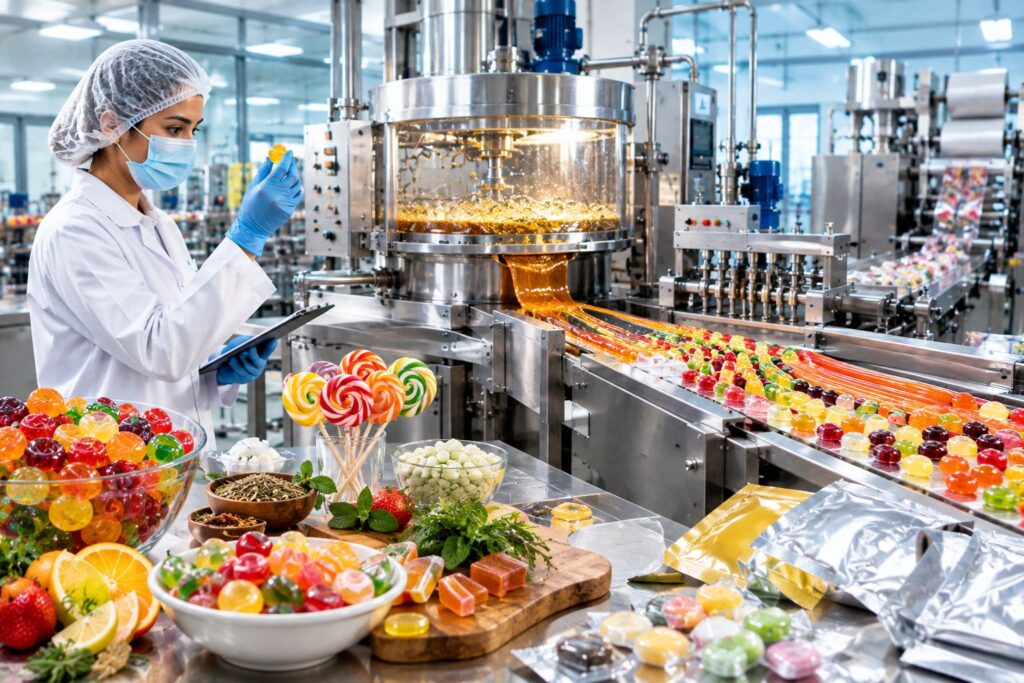
Hard boiled confectionery manufacturing and candy production in India
FFCE

Hard Boiled Confectionery Products in India

India’s confectionery sector has seen impressive growth, in which hard-boiled candies (HBCs) have made considerable contributions. These goods, which have long been recognized for their sweet, fruity, and sour flavors, have developed from simple sugar-based lozenges to sugar-free versions, functional candies that contain herbal extracts, vitamin-infused versions, and unique flavor combinations.   Hard-boiled confections will make up a significant portion of the Indian confectionery industry, which is estimated to be worth ₹25,000+ crores (approximately USD 3 billion in 2024) and is predicted to develop at a 10-12% CAGR. Improving disposable incomes, impulse buying patterns, rural reach through low-unit packs (LUPs), and the need for “fun + functional” candies are fuelling the growth.   For start-ups, well-established brands, and new entrants alike, technical expertise, conformity, and innovation are the success factors in this dynamic industry — where food experts like consultants have an important enabling function. Products developed 0 + Years experience 0 + Countries served 0 + Clients served 0 + Technical Aspects of Hard-Boiled Confectionery 1. Raw Materials The fundamental texture of sugar and glucose syrup.  In addition to offering chew resistance and clarity, glucose syrup can prevent crystallization. The flavors are the same.   Probiotics, vitamin C, nutraceuticals, and plant extracts such as tulsi and ashwagandha are some of the functional inclusions. 2. Processing Technology The processing of hard-boiled candies entails controlled thermal and mechanical control in order to obtain the desired texture, clarity, and shelf life. Cooking Stage: Syrup cooked to 145–155°C under atmospheric or vacuum conditions. Vacuum cooking reduces boiling point (~125–135°C), minimizing caramelization and color deterioration. Cooling Stage: Mass of syrup cooled to ~90–100°C on cooling plates or continuous cooling tunnels. Flavors, colors, and acid addition at this step avoids degradation at high temperature. Forming & Shaping: Rope sizing machines transform mass into evenly sized ropes. Forming through die rolls or chain die systems creates shapes such as balls, sticks, or pillow candies. Packaging: Primary: Twist wraps, pillow packs (BOPP films, metallized laminates). Secondary: Cartons, jars, or pouches that have moisture barrier properties. Crucial Control Elements: A moisture level of less than 2% prevents stickiness and extends shelf life. Glass transition temperature: Sustain stability to prevent graining. pH control: Particularly important in vitamin-fortified or herbal candies. 3. Quality and Safety Considerations Hygienic plant layout (SS 316 vessels, GMP compliance). Implementation of HACCP (temperature monitoring, critical limits during syrup cooking, allergen control). Shelf life: Usually 12–18 months under controlled packaging. Market Scope and Future Prospects Rural Growth: Low-cost sachet packs (₹1–₹5) rule rural India, providing huge volume opportunities. Functional & Fortified Candies: Demand for vitamin-enriched, digestive, and immunity-boosting sweets is rising, especially in the wake of COVID-19. Natural and Sugar-Free Candy: Increasing diabetic population and health-oriented urban consumers are driving this niche. Premium and Novelty Segment :  Trends such as center-filled candies, layered flavors, herbal lozenges, and rich fruit flavors (lychee, passion fruit) are building urban demand. Export Potential : Indian HBCs, with costs of production on a competitive level, have export potential in Middle East, Southeast Asia, and Africa. Role of Food Consultants in Confectionery Industry Consulting firms such as Frontline Food Consultants and Engineers (FFCE) connect opportunity in the market with technical implementation. Product Development – Formulation development for sugar candies, sugar-free candies, and functional candies. Process Optimization – Efficient energy-using cooking systems (vacuum cookers, continuous plants). Regulatory Compliance – Maintain FSSAI-approved additives, acceptable sweetener quantities, and adequate labeling. Machinery Selection – From batch cookers for mini units to automated continuous lines for large plants. Shelf Life Studies – Packaging to ensure stability under Indian climatic conditions. Business Feasibility – Strategies for market entry, CAPEX/OPEX evaluation, and scalability planning. Conclusion The hard-boiled confectionery space in India is no longer just about plain sugar candies anymore. It is an industry in motion — testing flavors, health functionality, and premiumization. With growing consumer awareness, international trends, and urban-rural penetration, this segment is poised for double-digit growth. Yet, success is all about technical know-how, conformity, and innovation, and hence the services of seasoned food consultants like FFCE become a necessity for startups as well as conventional manufacturers who aim to grow here.

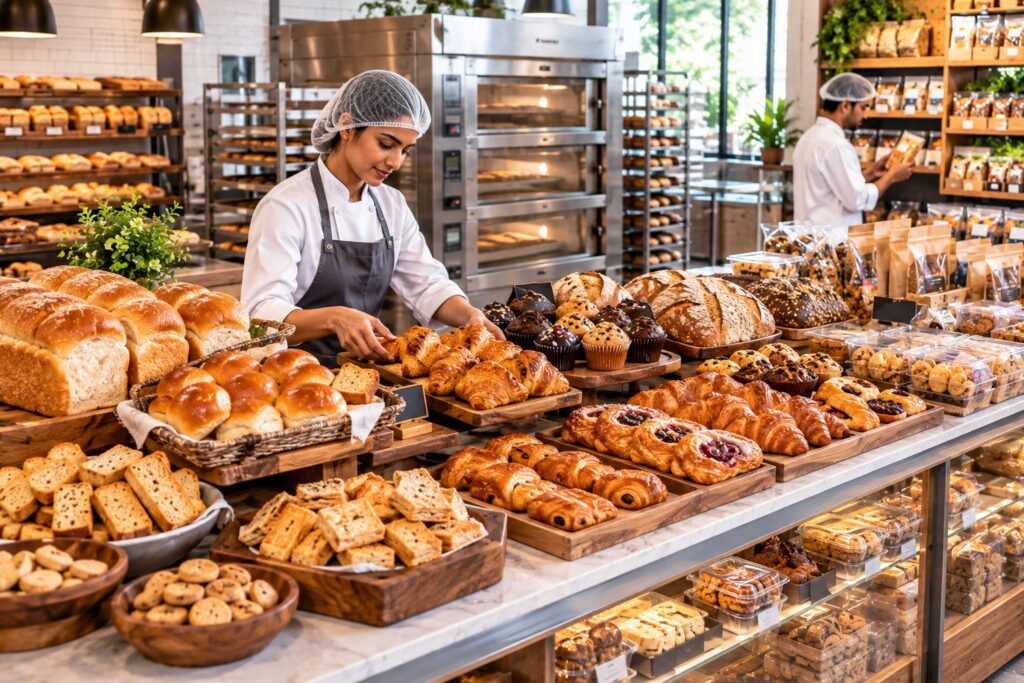
Assorted Indian bakery products including bread, biscuits, cakes, pastries, and cookies
FFCE

The Indian Bakery Market: Evolution of Bakery Products

Bakery in India has moved far beyond the neighbourhood bun shop. Over the past three decades the category has evolved from commodity breads and biscuits to a multi-segment industry that spans industrial breads, packaged biscuits, premium patisserie, frozen par-bake/ready-to-bake (RTB) systems, and functional / ethnic bakery innovations. For entrepreneurs, retailers and co-packers this evolution creates technical challenges and commercial opportunities — and a clear place for specialist food consultants to add value. Following is a brief, technically precise overview of how the Indian bakery landscape has evolved, what is propelling product development, production and process implications you should be aware of, market trends, and how food consultants (e.g., FFCE-type companies) assist companies at each step. Products developed 0 + Years experience 0 + Countries served 0 + Clients served 0 + Historical path — from small local to industrial and premium Pre-1990s: Small local bakeries, traditional breads (naan, pav), minimal mechanization. 1990s–2000s: Inclusion of organized players (modern retail, packaged bread franchises), industrial scale-up (continuous ovens, automatic dough systems). 2010s onwards: Premiumization — artisanal bakeries, patisseries, fusion products, and expansion of frozen/RTB supply chains to serve QSRs and hotels. Today: A multi-channel industry — retail FMCG breads & biscuits, direct-to-consumer premium patisserie, foodservice frozen par-bakes, and health-/functional bakery. Market shape & opportunity (high-level) The bakery & biscuits business is India’s largest snacking FMCG category. Instead of one number (which, depending on source/time, can differ), see market size in layers: Mass-market packaged buns & breads (staple, high volume, low margin). Biscuits & crackers (large, branded FMCG category). Frozen/RTB & industrial bakery ingredients (increasing rapidly because of QSRs, hotels). Premium patisseries & artisan (urban focus, higher margin) Factors contributing to growth: urbanisation, working families, modern retailers, online grocery, QSR growth, improvements to cold chain & freezing, and health/functional positioning (multigrain, low sugar, high protein).   Practical context for the B2B plan: the first consideration — are you selling volume (packaged biscuits / bread) or selling value (premium patisserie, frozen par-bake) or a niche (keto, gluten free, functional). Each option will determine different capex, QC and distribution. Technical issues — raw materials, formulation and process Raw materials & functionality Choice and quality of flour: Improvers and enzymes comprise emulsifiers (e.g., DATEM, SSL) which enhance both freezer stability and crumb softness, oxidizing agents (e.g., ascorbic acid) which enhance dough strength, and amylases, which retard staling in bread. Fats & shortenings: Selectively choosing will affect aeration, mouthfeel and shelf life. Interestified fats and palm fractions are employed as substitutes for hydrogenated fats (trans-fat regulation). Water quality & salt: Water hardness influences dough rheology; manage mineral load. Salt influences yeast activity, protein strengthening and flavor. Functional ingredients: Proteins (WPI, soy), fibres (inulin), seeds, fruit inclusions require formulation adaptation for water, dough stability and shelf life. Process technologies Mixing: Spiral and planetary mixers for artisan to small industrial; continuous mixers (dough mixers with dosing) for large-volume lines. Temperature control and dough development are important. Fermentation/Proofing: Temperature/time control (retardation for flavour); automatic proofers with humidity control to ensure uniform oven spring. Forming & Laminating: Rotary moulder, wire-cut, sheeting and lamination (for croissants/puff) — strict control of fat distribution, gluten network and lamination temperature. Baking: Tunnel/retard ovens, rotary rack ovens, and deck ovens for various products. Thermal profiles influence crust colour, Maillard reactions and moisture gradients. Cooling & Slicing: Controlled, rapid cooling minimizes condensation and microbial hazard. Slicing lines for packaged bread introduce contamination risks — hygiene & metal detection required. Freezing / Par-bake: IQF or spiral freezers for items to frozen supply chain; par-bake tactics (60-80% baking, finish on retail) enable large-scale distribution. Shelf life and packaging Bread and other high-moisture baked goods have a longer shelf life because to modified atmosphere packaging (MAP). Barrier films and nitrogen flushing preserve crisp items (crackers). Antistaling tactics: Enzyme systems, moisture management, packaging permeability engineering. Quality & analytical controls Dough rheology (Farinograph, Extensograph) for upstream QC. Moisture & aw for shelf life. Sensory & texture equipment (texture analyzers for firmness of crumb, shear). Microbiological controls: Particularly on cream fillings, custard, cake production and slicing lines. HACCP critical control points: proofing, cream filling, cooling, storage. New products & technical advancements Frozen retail and par-bake ranges (This includes retailers like grocery stores & QSRs): muffins, croissants, artisan loaves — focuses on freezer-grade formulation & proofing profiles. Functional bakery: Protein-bread, fiber/prebiotic breads, low-GI/millet breads — formulation is related to enzyme packages, shelf-life modeling, and compatibility between protein and wheat. Ready-to-heat / in-home bake: RTB dough balls, frozen parathes, instant pizza bases — require strong dough formulas to withstand cold chain. Technical enablers Controlled atmosphere retarding and programmable proofers for schedule and flavour flexibility. Automated dosing & inline mixing for repeatable micro-ingredient addition (improvers, enzymes). Advanced freezers (spiral/IQF) and precise thaw/bake finish control for par-bake.  Adoption of predictive shelf-life modelling (Arrhenius, moisture sorption) to minimize trial cycles. Manufacturing scales & CAPEX considerations Micro / artisan bakery: low capex (₹5–40 L), manual/bench top mixers, deck ovens — quality and innovation focus. Semi-industrial (retail-supplier): (₹40 L – ₹3 Cr) pack lines, continuous mixers, spiral ovens — formal QA/QC labs required. Industrial & co-packers: (₹3 Cr +) automatic dough lines, proofers, wrappers, frozen lines — high automation for efficiency and cost control. (Exact CAPEX widely varies; consultants operate DPRs and vendor quotes to generate accurate budgets.) Market trends, distribution & consumer shifts Modern trade + e-commerce expand base for premium SKUs and frozen lines. Small-pack penetration in semi-urban/rural markets drive volumes for biscuits & small bread packs. Foodservice/QSR growth generate strong B2B demand for frozen par-bakes, burger buns and pizza bases. Health & wellness: Protein breads for fitness segment; sugar-reduced bakery for diabetic awareness. Regulatory & safety FSSAI guidelines for declaration of allergies, use of additives (emulsifiers, leavening), and labeling (nutrition panels). Regulations governing trans fats: reformulation to eliminate partly hydrogenated fats; use of authorized substitutes; and disclosure. HACCP / FSMS / GMP: for larger plants and export supply chains. Role of food consultants (technical & commercial worth) Food consultants speed up time-to-market, minimize technical risk and maximize production economics. Common consultancy activities involve: A. Concept → Product development Ingredient

Scroll to Top

Your Trusted Food-Tech Partner Simplifying Solutions, Maximising Success

    Your idea is 100% protected by our Non Disclosure Agreement

    What is Refresh icon

    Your Trusted Food-Tech Partner Simplifying Solutions, Maximising Success

      Your idea is 100% protected by our Non Disclosure Agreement

      What is Refresh icon

      Your Trusted Food-Tech Partner Simplifying Solutions, Maximising Success

        Your idea is 100% protected by our Non Disclosure Agreement

        What is Refresh icon

        Powering your food business forward