
FFCE

Now Hiring: Are you a driven and motivated 1st Line Food Technologist?

Author name: Admin

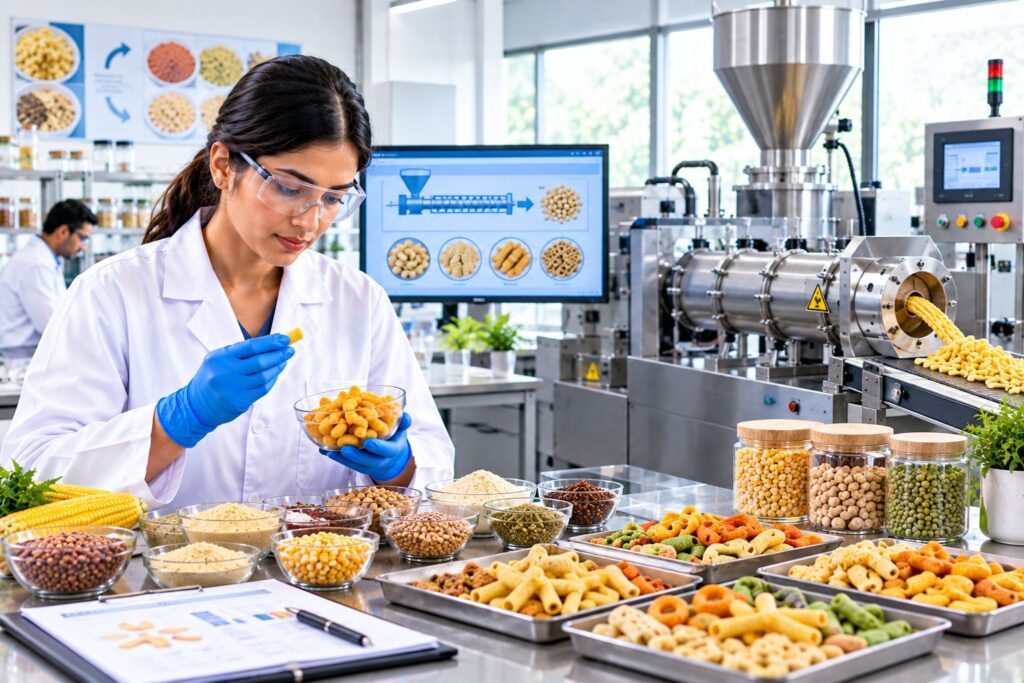
Modern food extrusion processing line producing snacks, cereals, and plant-based food products with advanced food manufacturing technology.
FFCE

Extrusion Technology in Food Industry

Extrusion technology is an important food-processing technology of the 21st century, providing the flexibility, efficiency, and control over product texture, structure, and functionality that processors desire in order to create products as diverse as breakfast cereals to plant-based meat replacements, and everything in-between. This flexibility has allowed processors to respond to rapidly evolving consumer demands towards convenience, nutrition, and novel product developments. What is Extrusion? Extrusion is a High Temperature Short Time (HTST) mechanical process whereby a food blend is forced through a die by a continuously rotating screw assembly and controlled group of temperature, pressure, and shear. The result is a food product, which is chemically and physically altered into a specific structure, shape, and expanded texture. Products developed 0 + Years experience 0 + Countries served 0 + Clients served 0 + There are two main types of extruders Cold extrusion: ‘Used to produce, for example dough products; pasta, cookie dough – which is formed under no heat. Hot extrusion (thermoplastic extrusion): “Uses heat and is used to combine and form products during the cooking and forming of it for products such as puffed snacks, textured vegetable protein (TVP), and ready-to-eat cereals”. Key Elements of an Extruder Feeding System: Adds raw material to the extruder. Optional Preconditioner: Moistens and partially cooks the feed material with steam and water. Screw Barrel: Supplies mixing, kneading, shearing, and conveying. Screw designs (single or twin screw) determine the extent of mixing and shear. Heating Zones: Shear-induced heat and external heaters increase the product temperature (up to 180–200°C in high-moisture systems). Die and Cutter Assembly: Controls final structure, size, and shape. Cooling System: Necessary in high-moisture or co-extrusion applications to stabilize and solidify the product. Physicochemical Transformations During Extrusion Starch Gelatinization: Heat- and shear-induced swelling and bursting of starch granules. Protein Denaturation and Texturization: Essential in high-moisture extrusion to form fibrous structures in meat analogues. Maillard Browning: Non-enzymatic browning reactions that increase flavor and color. Fat and Fiber Alterations: Redistribution and partial hydrolysis of improving digestibility and texture. Uses in the Food Industry 1. Snack Foods and Breakfast Cereals Low moisture/high heat extrusion gives rise to expansion and crispness. Common ingredients: maize grits, rice flour, wheat semolina. 2. Texturized Vegetable Protein (TVP) High moistute extrusion (>40% moisture) mimics the fibrous structure found in muscle. Utilized in vegetable meat substitutes. Important proteins: soy isolate, wheat gluten, pea protein. 3. Infant and Clinical Nutrition Nutritionally enriched, easily digestible foods manufactured under controlled HTST conditions. Incubation of pre-cooked starches, hydrocolloids, and micronutrients. 4. Pet Foods and Aquafeeds Extrusion gives desired shape, floatability, and controlled release of nutrients. Thermal inactivation of anti-nutritional factors enhances safety. 5. Functional Foods and Nutraceuticals Encapsulation of bioactives and probiotics feasible with twin-screw co-extrusion. Controlled shear and residence time minimize degradation of sensitive compounds. Advantages of Extrusion Technology Versatility: Suitable for a wide variety of ingredients (cereals, legumes, protein isolates).Efficiency: Uninterrupted, high-throughput operation with low energy loss.Safety: Efficient destruction of pathogenic microorganisms and mycotoxins.Clean Label: Lower demand for preservatives as a consequence of HTST processing.Sustainability: Able to valorize agro-industrial residues (e.g., okara, bran, spent grains). Challenges and Future Directions Nutritional Degradation: Vitamins (e.g., B1, C) and heat-sensitive constituents may degrade. Die Clogging: Particularly with high-fiber ingredients. Precise Moisture Control: Essential for expansion and ultimate texture. Smart Control Systems: Process optimization through the integration of machine learning and AI. Hybrid Extrusion: Combining extrusion with other technologies (e.g. microwave, infrared) for better product quality. Conclusion Extrusion technology is an essential part of a food technologist’s toolkit which promotes the creation of structured, healthy, and innovative foods across different categories. As consumers continue to seek out plant-based, high-protein, and functional foods extrusion is continuing to be developed and refined to attain technical, sensory, and sustainability targets in food manufacturing.
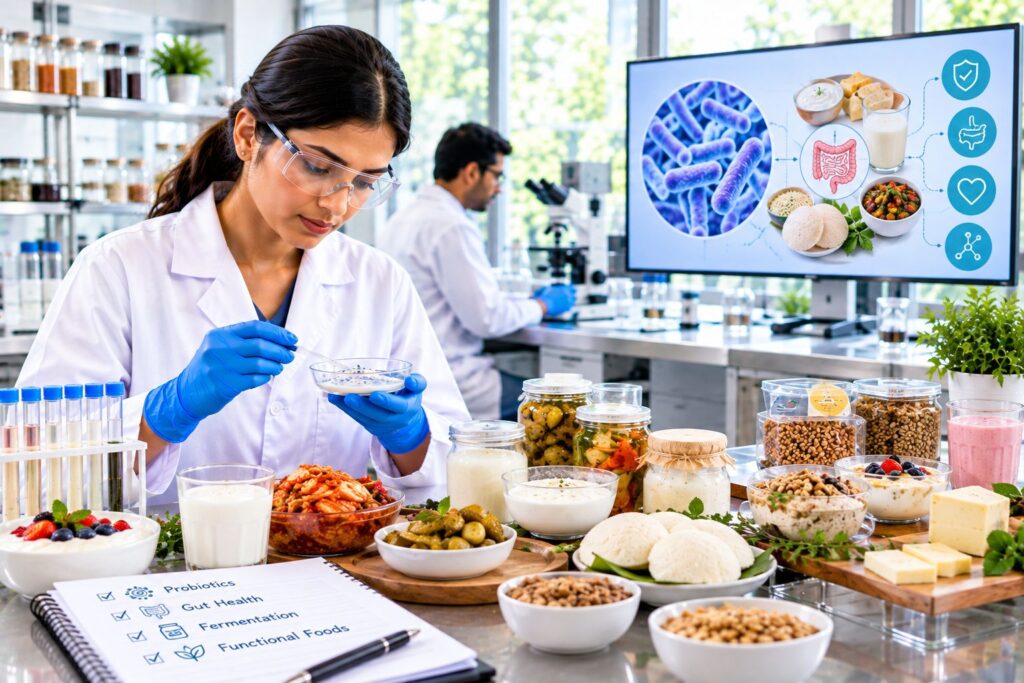
Food scientists developing probiotic-enriched Indian processed foods including yogurt, lassi, functional beverages, and fortified nutrition products in a modern food laboratory.
FFCE

Probiotics in Processed Foods

Probiotics are the beneficial and live microorganisms that are innately present in our gut and impart positive health effects. Seldom,the quantity of these little creatures may deteriorate due to factors such as stress, lifestyle, consumption of low-nutrient food, etc. It becomes extremely important to replenish the probiotic load in the gut by consuming probiotic rich foods. Very recently, there has been a notable surge in probiotic fortified foods and drinks in the Indian market. With the standardisation of our traditional food items such as buttermilk, lassi, idli-dosa batters, etc., the food industrialists and budding startups can adapt this trend and come up with more such products. Food consultants like the Frontline Food Consultants and Engineers (FFCE) are adept in ensuring the formulations of such functional products.   According to FSSAI, probiotic food means food with live micro-organisms beneficial to human health, which when ingested in adequate numbers as a single strain or as a combination of cultures, confer one or more specified or demonstrated health benefits in human beings. Challenges in Probiotic Fortification The inclusion of these probiotic organisms in processed food products poses multiple technical and regulatory issues: 1. Survivability during Processing Thermal Sensitivity: Most probiotics are killed at temperatures above 45–50°C. Solutions: Utilization of microencapsulation, freeze-dried cultures, and post-processing inoculation in low-heat applications. 2. Shelf-Life Stability Moisture, oxygen, and pH can all affect viability during storage. Packaging: Oxygen barrier materials, desiccants, and cold chain logistics are essential to preserving CFU counts. 3. Compatibility with Food Matrix Probiotic survival is dependent on food pH (optimum: 4.5–6.5), fat level, and availability of prebiotics. Integration is best achieved in acidic dairy products, cereal bars, fruit pulps, and cold-kept ready-to-drink (RTD) beverages. Probiotic Fortification in Indian Processed Foods 1. Dairy-Based Products India’s robust dairy tradition presents a perfect setting for probiotic delivery: Set curd, dahi, and lassi with Lactobacillus acidophilus and Bifidobacterium lactis fortification are now available commercially. Probiotic yogurt with fruit pulps and natural sweeteners is gaining momentum in metros. 2. Functional Beverages RTD Probiotic Beverages: Fruit smoothies and flavored whey beverages are being introduced with strain-specific claims. Kanji and buttermilk, traditional beverages, are now being standardized with probiotic blends and long-term shelf-life through cold chain or mild pasteurization. 3. Probiotic-Fortified Snacks Probiotic cereal bars. Biscuits, and extruded snacks are. Appearing in urban retail, taking. Advantage of microencapsulated spores such as Bacillus coagulans, which are reputed for greater heat tolerance. The latter are well-suited for ambient storage and school snack programs. 4. Infant. and. Clinical. Nutrition Probiotic milk. powders, sachets, and. ready-to-mix formulas are being. formulated for children. and. elderly. group under medical nutrition segments. Regulatory Framework in India FSSAI (Food Safety and Standards Authority of India) offers clear guidelines regarding probiotic food claims under its “Foods for Special Dietary Use (FSDU)” and “Nutraceutical Regulations”. Minimum Viable Count: Standard accepted minimum is 10⁶–10⁷ CFU/g or mL at the end of shelf life. Strain Documentation: Must state genus, species, and strain with established efficacy. Clinical Validation: Scientific support necessary for health claims such as enhanced digestion or immune system support. Growing consumption in tier 2 and tier 3 cities will be seen as probiotic products become affordable and easily accessible through modern retail. Challenges in the Indian Scenario Cold Chain Dependence: Probiotic products are often refrigerated, hindering rural area penetration. Low Awareness: Misconceptions regarding “bacteria” persist among traditional consumers. Lack of Standardized Clinical Data: India-specific clinical trials for probiotic efficacy are scarce. Development of spore-forming probiotics (e.g., Bacillus clausii) for shelf-stable uses. Synbiotic foods (probiotics + prebiotics) for improved gut modulation. Utilization of indigenous strains isolated from traditional Indian fermented foods for targeted uses. Increased emphasis on AI and biotech equipment for strain screening, viability prediction, and fermentation control. Conclusion Probiotics in food products are an example of ancient wisdom combined with current science. With growing health consciousness and technological upgradation, India’s food processing sector can dominate the creation of functional foods that enhance immunity and gut health. Blending probiotics with strong food technology and regulatory systems will revolutionize India’s nutrition scenario—making daily foods therapeutic without having to cut down on taste or longevity.

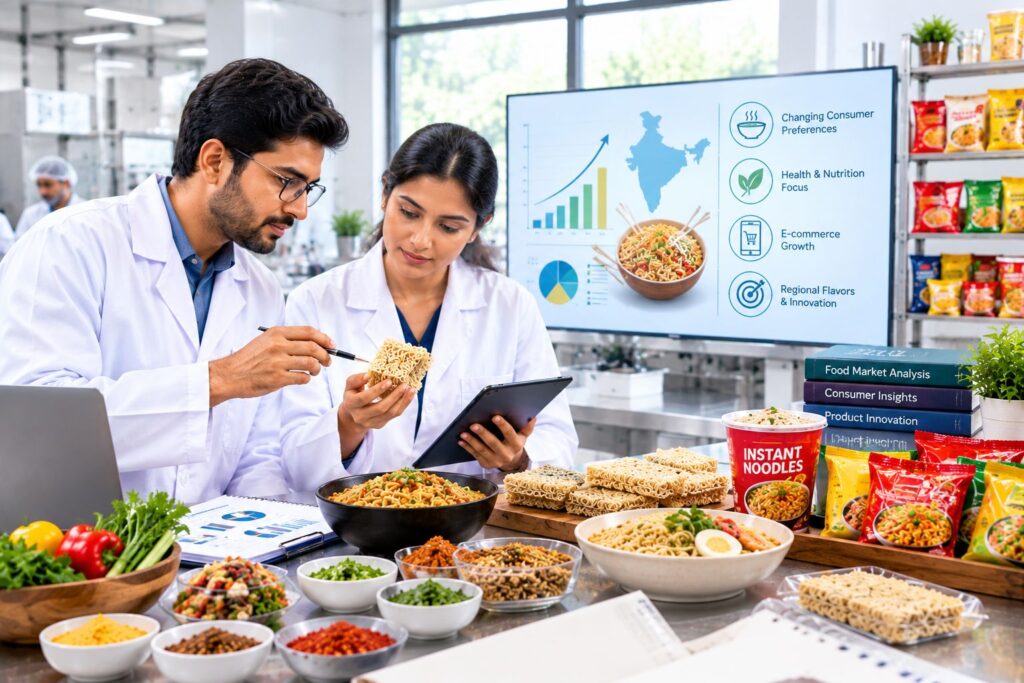
Food technologists and product developers evaluating innovative instant noodle products, including millet noodles, high-protein noodles, and premium instant meal solutions in India.
FFCE

The Evolution of the Instant Noodle Market in India: Insights for Food Consultants

The instant noodle market in India has evolved from a one-brand segment to an industry being driven by innovation, PAN Asian flavours, health trends and consumer diversity. For food consultants it demonstrates the need to adapt to changing dynamics in tastes, regulations, and digital retail strategies, and the consumer appetite for nutritious and convenient options leaves this category open for more strategic growth and product development. Introduction The instant noodle business in India has changed a lot in 40 years and provides key insights for food consultants, product developers, and F&B strategists. Beginning as a category created by just one brand, the instant noodle market has evolved into a competitive landscape focused on product development and innovation. The journey across product development reflects an evolving tela of consumer behaviors, urbanism, and health awareness. Products developed 0 + Years experience 0 + Countries served 0 + Clients served 0 + Pioneering Phase: Maggi’s Market Creation Instant noodles entered the Indian market, when Nestle launched Maggi 2-Minute Noodles, in 1983. The product filled a distinct consumer need in the Indian kitchen – a tasty meal that was quick, inexpensive, and didn’t need much preparation. Maggi was not only a new product but made a generation of consumers aware of convenience food. To sell their product, Maggi used kids and busy parents as their marketing strategy to develop brand equity that driven strong emotional connection. Diversification and Competitive Growth In the late 1990s, additional brands entered the market Top Ramen, Wai Wai and Sunfeast Yippee offering regional flavors, differences in texture, and different styles of cooking (such as Wai Wai’s precooked noodles). As food consultants noted, this enabled a segmenting substitution for noodles, which was formed on dimensions of price; taste; and demographics. Noodles were no longer merely a snack; they now formed part of mainstream meal planning, especially for urban and college-based consumers. Crisis as Catalyst: The 2015 Maggi Ban The provisional ban of Maggi in 2015 was a watershed moment because of concerns about whether the product was safe for consumption. This shook consumer confidence in premade noodles in India, but it opened space for new regional players in the market and improved regulatory scrutiny. For agricultural food consultants, this period provided an emphasis on transparency, traceability and compliance in product formulation and labeling. Current Trends: Health and Innovation Drive Growth At present, the Indian instant noodle market is going through some changes towards being more health conscious. There are brands with millet-based, whole grain, gluten-free, and protein-fortified noodles to create variants that fit into changing diets. In addition, premium variants of instant noodles are increasingly identifying with gourmet flavors, organic ingredients, and sustainable packaging, largely in metro towns and with Gen Z. The growth of D2C (direct-to-consumer) food startups has found some ways to improve access/availability for nutritionally relevant products with e-commerce distribution. Conclusion: Strategic Opportunities for Growth For food consultants, the trajectory of instant noodles in India is a prime example of consumer trend progression, innovation pathways and market dynamics. The segment has displayed resilience and adaptability among Indian consumers because of its convenience, price point, and now the health angle. As Indian consumers continue to search for variety, value and nourishment, the instant noodle category figures to continue to be a fertile ground for product innovation, thoughtful branding and regional customization. India is future equipped for noodle consumption beyond instant, Instant noodles as nutrition intelligently reimagined.

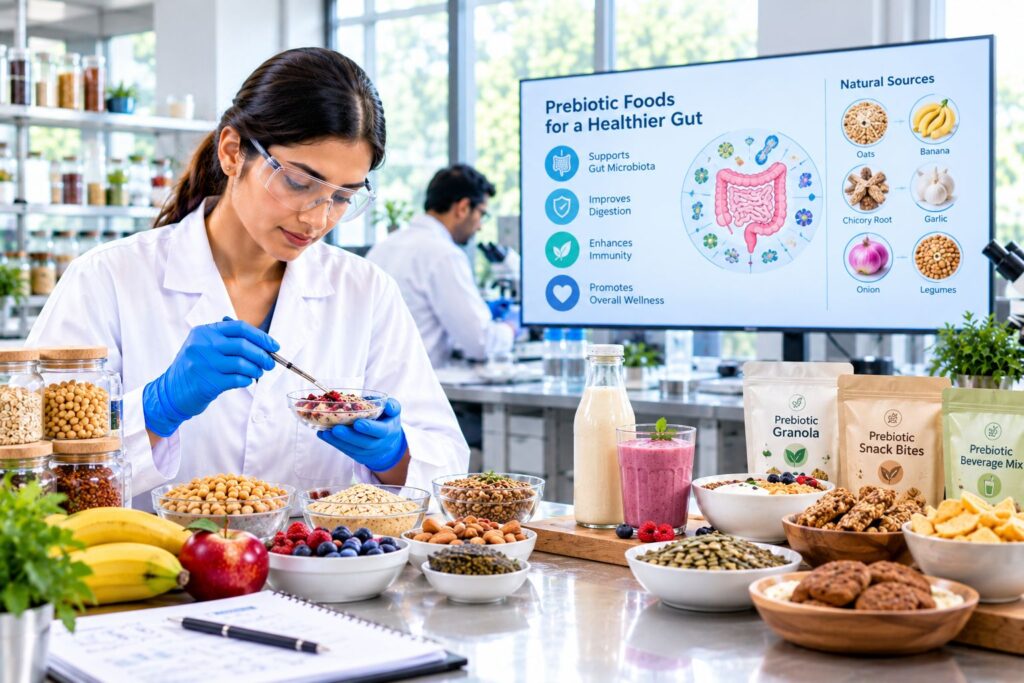
Food scientists developing prebiotic food products in India using fiber-rich ingredients, functional food formulations, and gut health nutrition research.
FFCE

Prebiotic-Based Food Products in India

As we continue to live in a rapidly urbanising society, the concerns related to gut health have taken up most of the space on shelves, and it has grabbed the eyes of major consumers in the past 5 years. In a country like India where the landscape of work to life is changing drastically, consumers are moving towards more health specific products rather than just focussing on taste. In this situation, the prebiotic based food products are catching the eyes of millions. The integration of such factors with processed and functional foods marks a significant turning point in the development of health-conscious products in India.   Increased urbanization, overuse of antibiotics, and dietary irregularities are all putting stress on the Indian gut microbiome. A profitable solution to these issues and a chance to take advantage of the quickly expanding market is the introduction of prebiotic-fortified foods, particularly those that are based on local cuisine and customs. Products developed 0 + Years experience 0 + Countries served 0 + Clients served 0 + Common Prebiotic Compounds: Prebiotic Source Role Inulin Chicory root, garlic, onion Enhances Bifidobacteria growth Fructooligosaccharides Banana, wheat, tomato Promoted gut mobility Galactooligosaccharides Legumes, dairy products Stimulates Lactobacilli Resistant Starch Green banana/plantain, cooked white rice Improves insulin sensitivity Beta-glucans Barley, oats Modulates cholesterol and gut microflora Food Technology Behind Prebiotic Product Development 1. Ingredient Selection and Functionalization Naturally occurring prebiotics in Indian raw materials (e.g., jackfruit fiber, amla pectin, wheat bran) are gaining interest. Modified prebiotic blends (e.g., inulin + FOS) used to optimize efficacy and sensory appeal. 2. Thermal and Process Stability Prebiotics are heat and pH-stable, making them ideal for: Extrusion cooking Baking Pasteurization UHT processing This gives prebiotics a clear advantage over probiotics in terms of process integration and shelf-stability. 3. Sensory and Functional Properties Prebiotics can act as fat replacers, texturizers, or sweeteners (especially inulin), helping in sugar-free or low-fat formulations. Some may influence mouthfeel, moisture retention, and Maillard browning. Applications in the Indian Food & Beverage Sector Prebiotic-Enhanced Dairy Fortified curd, buttermilk, and probiotic-prebiotic symbiotic yogurts are emerging. Inclusion of inulin or FOS not only promotes gut health but also enhances creaminess and viscosity. Beverages Fruit-based ready-to-drink beverages, kombucha, and cold-pressed juices are being increasingly fortified with prebiotics such as FOS and resistant starch. Herbal infusions (e.g., tulsi-tea blends) are being blended with soluble fibers for additional digestive benefits. Baked Goods and Snacks Prebiotic biscuits, breads, and extruded snacks are picking up speed among health-oriented urban consumers. Resistant starch and inulin blends are incorporated into low-GI and keto-friendly foods. Dietary Supplements and Powders Prebiotic nutraceutical sachets, high-fiber powder blends, and gut health capsules are ubiquitous on pharmacy shelves and D2C brand shelves. Regulatory Structure and Labelling in India Prebiotics are regarded as functional ingredients according to FSSAI’s Nutraceutical and Health Supplements Regulations. Declared Source and Quantity: Type (e.g., chicory root inulin) and quantity per serving need to be indicated by manufacturers. No Cure Claims: Only structure-function claims are permitted, such as “supports digestive health.” Daily Intake Range: Typically 2–10 g/day for FOS/inulin; must be scientifically justified. Market Drivers in India Rise in Consciousness Around Gut Health: Greater awareness by consumers of the microbiome’s influence on immunity and mental well-being. Clean Label Movement: Prebiotics align organically with the clean label, plant-based, and high-fiber movements. Government Support: FSSAI’s “Eat Right India” and Ayush-backed wellness programs emphasize dietary fiber. Health-First Millennials: Driving D2C brands in the snacks, cereal, and beverages sectors with a focus on gut and metabolic health. Challenges and Considerations Consumer Lack of Awareness: Consumers continue to mistake prebiotics as probiotics. Cost of Functional Ingredients: It is mainly imported high-quality inulin and FOS, although local availability is on the rise. Standardization and Efficacy: Clear dosage-response relationships and India-specific clinical data are limited. Taste Compatibility: Some prebiotics can cause off-flavors or gelling at high concentrations. Future Outlook Symbiotic Foods (Probiotics + Prebiotics): A growing category in RTD beverages, dairy, and supplements. Plant-Based Synbiotics: Merging prebiotic fibers from local pulses, millets, and fruits with encapsulated probiotics. AI in Gut Health: Personalized prebiotic recommendations based on microbiome sequencing and diet analytics. Upcycled Prebiotics: From agro-waste such as citrus peel pectin, sugarcane bagasse fiber, and spent grains.

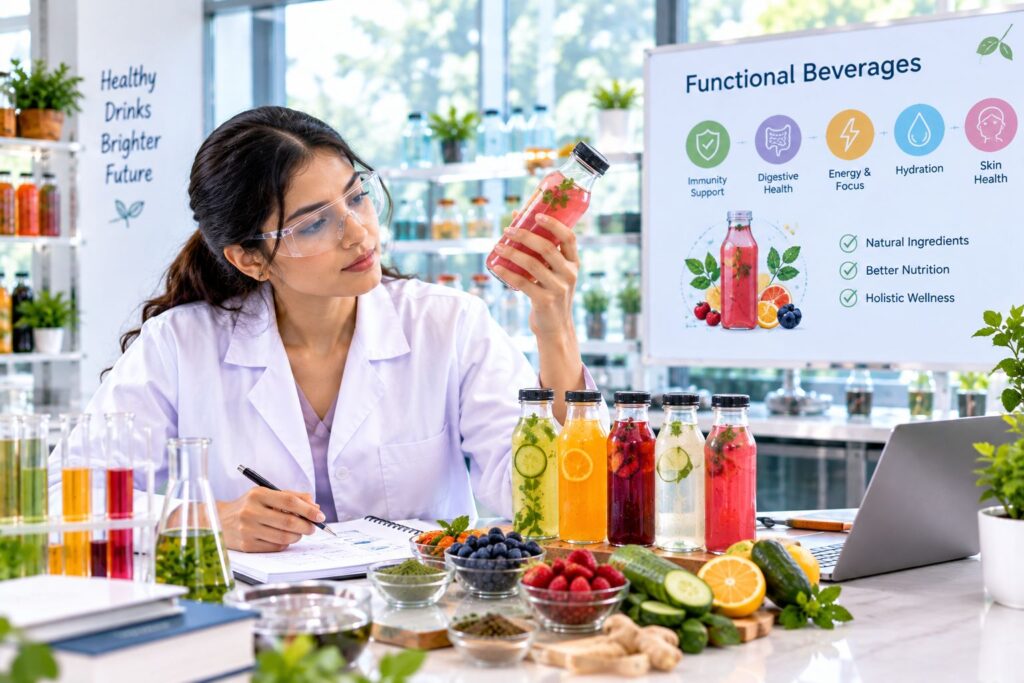
Food scientists developing functional beverages with probiotics, vitamins, botanicals, and wellness ingredients in a modern beverage research and development laboratory.
FFCE

The Emergence of Functional beverages: A Growing Trend in the Beverage Industry

Functional beverages are becoming a large trend as consumers are looking for health and wellness even in their drinks. Functional beverages can contain biomaterials for added benefits such as, vitamins, minerals and probiotics. Food consultants have a big role to play in helping brands innovate and meet demand. The future will see even more personalized functional drinks. Introduction The beverage industry plays constantly evolving as consumers make choices which reflect a desire for products that incorporate more than refreshment. Functional beverages which include one or more added ingredients that influence health are quickly gaining traction. Energy or performance boosting tonics, herbal soothing drinks, etc., this buzz mirrors an overall consumer lifestyle that is ‘wellness’ oriented. As a food consultant, it is necessary to watch and leverage these trends to help brands continue to innovate and succeed. Products developed 0 + Years experience 0 + Countries served 0 + Clients served 0 + Why the Demand Is Growing There are a variety of factors driving the demand for functional beverages. A shift in consumer (particularly Millennial and Gen Z) purchasing and consumption motivation seeking products that align with their total health beliefs, increased interests in preventive healthcare, clean-label, and natural ingredients. A knowledgeable food consultant will help beverage brands to navigate these changes by offering recommendations on innovative ingredients and aligning product development to market demand. The Role of Food Consultants in This Trend The knowledge of a food consultant is essential in this sector. They help food businesses produce balanced formulations, source functional ingredients and follow regulatory requirements through all stages of development. Conducting market research, food consultants help brands strategically position functional drinks for target consumers in an ever-changing competitive landscape. Looking Ahead The functional beverage category is likely to see even more personalization as technology and research progress—imagine drinks tailored to individual genetics or nutritional needs as they occur. Brands that embrace innovation and consult with an expert in food will be at the forefront ready to ride this growing wave. Conclusion Functional beverages are not a fad; they indicate the movement of consumer priorities along with an expectation for health-based products. A qualified food consultant can assist brands in formulating products that are compelling, effective and meet consumer needs while giving real value.

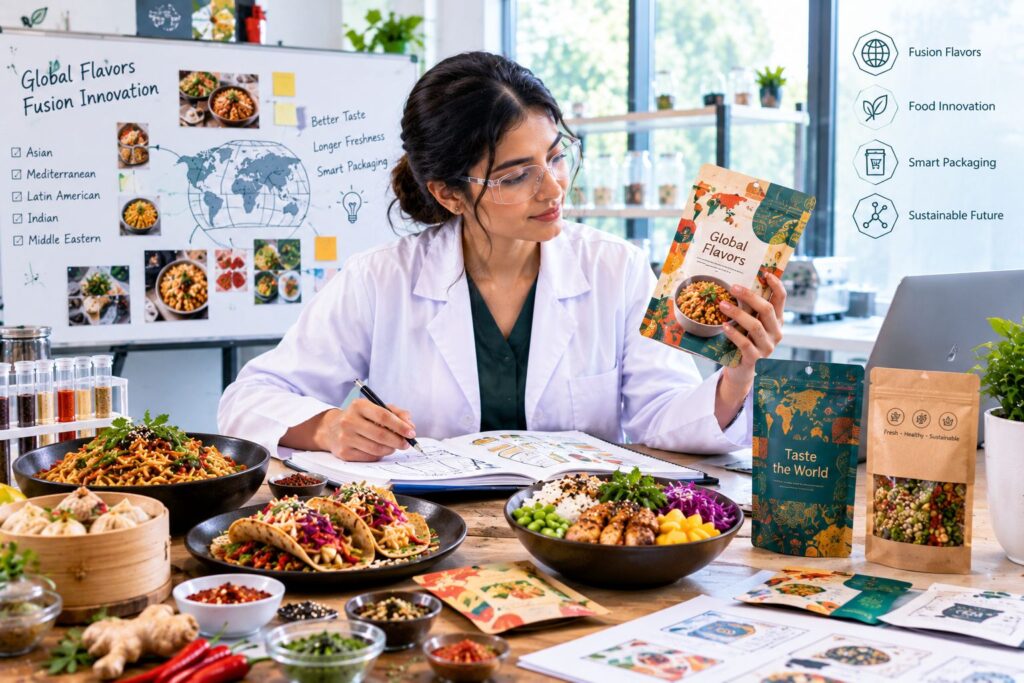
Food scientists and packaging experts developing global fusion food products with smart packaging technologies, freshness monitoring systems, and international flavor innovations.
FFCE

A foodie’s desire global fusion of flavors

Imagine it’s a cozy monsoon evening and it’s raining cats and dogs and all you crave is a plate full of fritters and samosa. The foodie in you doesn’t want to go for the conventional boring flavors and instead you innovate and serve the traditional items with a global flavors. Potato fritters with peri-peri seasoning or crispy potato fritters dipped in French onion dip, doesn’t our mouth water even at the thought of this sight!   The advent of Global fusion of flavors has enabled food technologists and food enthusiasts from all over the globe to innovate flavors and techniques to upscale every dish with perfect blend of flavors.   The history of global fusion of food dates back to the time of the silk route where the trade of spices herbs and other condiments paved the way for acknowledging different flavors and condiments and their incorporation in various traditional foods.   In the modern world the fusion is creative bold and never fails to surprise our palates and increasing the demands for more.   To name a few the Korean juice barbeque taco with the richness of sesame miso and soy sauce from the Korean origin blended with the ginger lemongrass and red chills from the Asian culture. The amalgam of Peru and Japan gives us the Peruvian ceviche with Japanese sashimi techniques.   Fusion flavour requires scientists and flavours to make a delicate balance between flavour aroma and texture to create this diversity! For instance say balancing the sweetness of litchis, the bitterness of bitter gourd or the hotness of chilli these all include precision and attention to detail to achieve a certain desired goal. Recreation and incorporation of reaction flavours like roasting, caramelization, browning gives an edge to the dish making it popular consumer good. The goal is not only to have an exclusive dish but also to formulate it in such a way that is sustainable and ethical, with the advancement of consumers conscious about the food consumption and upholding the principles of GMP, GHP, HACCP, TQM it is important to keep in mind both these aspects while formulation.   When we dive deep in the concepts of these foods we find certain reason of them being popular among the new generation. To quote a few are the diverse palate that these food offer they are yet unknown yet unknown to the consumer that makes it even more intriguing. The social media has enabled popularising of these over the internet and there is a desire to try these once has made the netizens go crazy over these. With the busy schedules and ever changing life styles and people hardly finding time to cook the premixed for these food offer a sense of fulfilment to the consumer why have bland boring food when creativity is available at your tips!   To conclude global flavour is not just about innovation its more about bringing together various cultures to have a shared joy and love for food, up scaling the known and enjoying the exotic! This ever growing culinary evolution offers creating and sustaining flavours to make fusion a reality. The fusion of these is crucial for ever growing global interconnectedness. Products developed 0 + Years experience 0 + Countries served 0 + Clients served 0 + The Eco meets the tech- active and intelligent packaging The food commodities are prepared and packaged for protection and extension of shelf life. The apex food regulatory body of India FSSAI has laid down Food Safety and Standards (Packaging) Regulations, 2018. It lays down the rules for general requirements packaging requirements compliance and declaration related to packaging. We know that packaging performs various functions like protection from the external environment gives us information about the shelf life and storage conditions but are mare the basic requirements that a packaging material does sufficient? Do we not require systems that give us the real time updates about the status of our product that it’s actually fresh or not? To get real time updates about the products concepts of active and intelligent packaging were introduced. The story dates back to Dr. Theodore Labuza from university of Minnesota who introduced this concept while working on time temperature indicators in the packaging system division. Active packaging refers to packaging systems which have constituents deliberately included which enhance the performance of the packing system. The key functions of this system included removal of unwanted constituent’s e.g.  C2H2 and O2 from packaging systems and addition of desirable ones like co2 or ethanol for microbial growth inhibition. To name a few flavour or odour absorbers like cellulose triacetate citric acid, activated clay, carbon, zeolites are used in fried foods, fishs fruit juices, cereals etc. ethanol emitters are used in bakery products like pizza crusts, breads, biscuits etc. The intelligent packaging defined at its simplest means packaging which shows understanding. It is a packaging that contains internal or external indicators that provide information about the condition of the package. It gives indication about the product quality like gas indicators temperature indicators etc. It provides convenience during cooking and preparation and it provides protection against theft and tampering. To check freshness an indicator is used called ‘RipeSense’ sensor developed by New Zealand. This enables us the consumer to choose the best variety of fruits. Based on the mixture of volatiles gives red colour with unripe fruits and orange to yellow when the fruit becomes fully ripe. For providing convenience during preparation we have thermionic inks microwave safety indicators etc. these inks are printed on the label which indicates the suitable temperature for cooking of chilling the products. The MDI are helpful when it comes to checking the readiness of the product under heat treatments. To reduce the risk of theft and other damage special tags dyes inks have been introduced but these are not as prevalent in food industry The future aspects of the packaging system could include integration with IoT AND smart technologies which include RFID tags Bluetooth etc., personalised and responsive packaging that could be

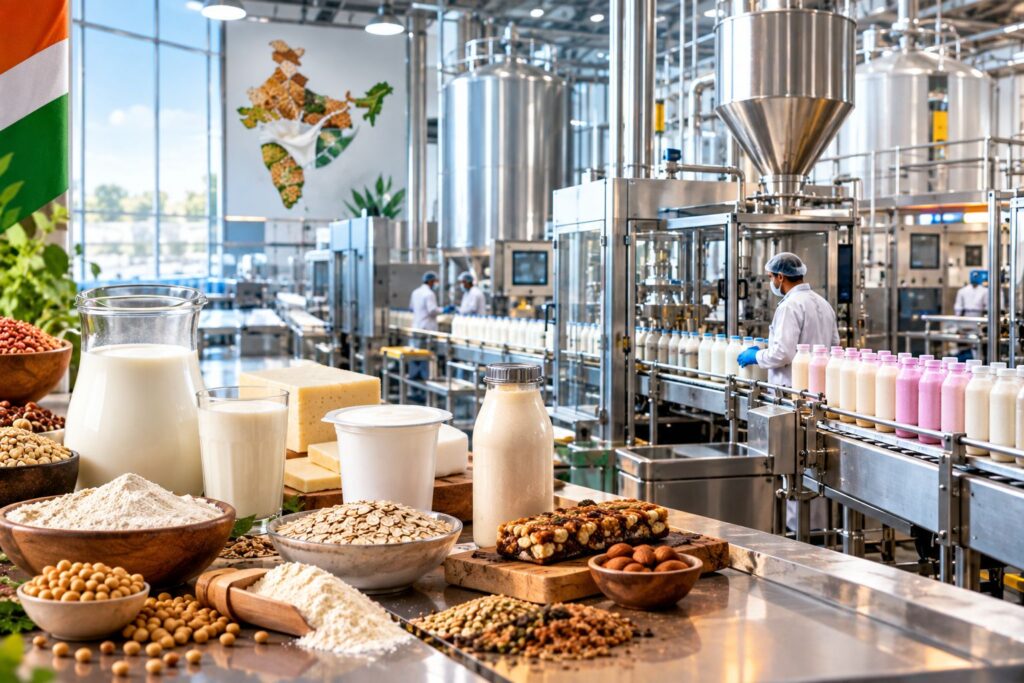
Food scientists developing protein-fortified foods and beverages in India through formulation testing, nutritional analysis, and protein enrichment research.
FFCE

India’s Changing Protein Fortification

India is currently experiencing a nutritional awakening. Surveys show that more than 70% of Indians do not consume enough protein, making protein deficiency a silent epidemic in the nation for many years. Consumer demand and industry innovation have significantly changed as a result of growing awareness of this disparity. Two major players are driving this change: Frontline Food Consultants and Engineers (FFCE), which is actively assisting brands in their fortification journey, and Amul, which has recently introduced high-protein products. Products developed 0 + Years experience 0 + Countries served 0 + Clients served 0 + Amul’s Big Protein Push: From Butter to Biceps In today’s rapidly changing food marketplace, consumer attitudes are becoming ever more influenced by perceptions of health and wellness. Between plant-based foods and functional “superfoods”, brands are responding to demands from consumers who lead more health-conscious lifestyles. Engaging food consultants are guiding brands through the maze of consumer trends to ensure client brands can meet those expectations while still earning profits. During 2024–2025, Amul launched a number of high-protein products under the “Butter to Biceps” campaign on social media: Amul Kulfi High-Protein: A sugar-free mango kulfi that contains probiotics and prebiotics and provides 10g of protein per 60g. One of the most distinctive indulgent-protein products available in India is lactose-free and gut-friendly. Amul Super Milk: Known as a “protein bomb,” this 200ml pouch of milk has 30g of protein, which is five times more than ordinary milk. Perfect for people with protein deficiencies and fitness enthusiasts. High-Protein Buttermilk, Dahi, Lassi, and Paneer: Amul has redesigned classic staples with higher protein content to give consumers daily options that satisfy their dietary requirements without changing their eating patterns. Amul is altering the narrative by incorporating protein into culturally appropriate formats, making it not only available but also pleasurable. FFCE FFCE helps the industry in the following ways: Design of Nutritional Fortification: FFCE creates fortification plans that use high-bioavailability proteins (like isolates, concentrates, or soy or pea proteins) without compromising stability, taste, or texture. Process Optimization: Adding protein is only one aspect of protein fortification; other factors include maintaining shelf-life integrity, pH compatibility, thermal stability, and sensory appeal. These parameters are optimized for commercial production by FFCE. FFCE makes sure that every project satisfies both scientific and regulatory requirements, from sourcing certified protein isolates to adhering to FSSAI’s fortification guidelines. Pilot Trials & Scale-Up: FFCE conducts pilot trials and facilitates scale-up for successful commercialization, whether it’s a protein-rich cold coffee or a high-protein snack bar. Why Protein Fortification Matters India’s changing lifestyle, rising incidence of metabolic disorders, and greater participation in fitness culture have fueled the demand for accessible, everyday protein sources. The market is witnessing: A surge in ready-to-drink (RTD) high-protein beverages Growth in protein-enriched traditional snacks and convenience foods Consumer preference shifting toward functional health foods over just indulgent treats With market leaders like Amul embracing this transformation and consultants like FFCE enabling it across mid- and small-scale businesses, the Indian food landscape is evolving faster than ever. Conclusion Protein fortification in India is not just about following global trends—it’s about solving a deeply rooted nutritional crisis with culturally resonant, scientifically backed solutions. As consumers become more conscious, brands become more innovative, and consultants become more strategic, India is poised to close its protein gap, one fortified product at a time. Whether you’re a startup developing your first high-protein snack or a legacy brand looking to reformulate your range, partners like FFCE provide the technical know-how and executional expertise to bring your vision to life.

Food scientists and nutrition experts developing healthy food products with clean-label ingredients, functional nutrition, and wellness-focused food innovation.
FFCE

How Health Perception is Transforming the Food Industry

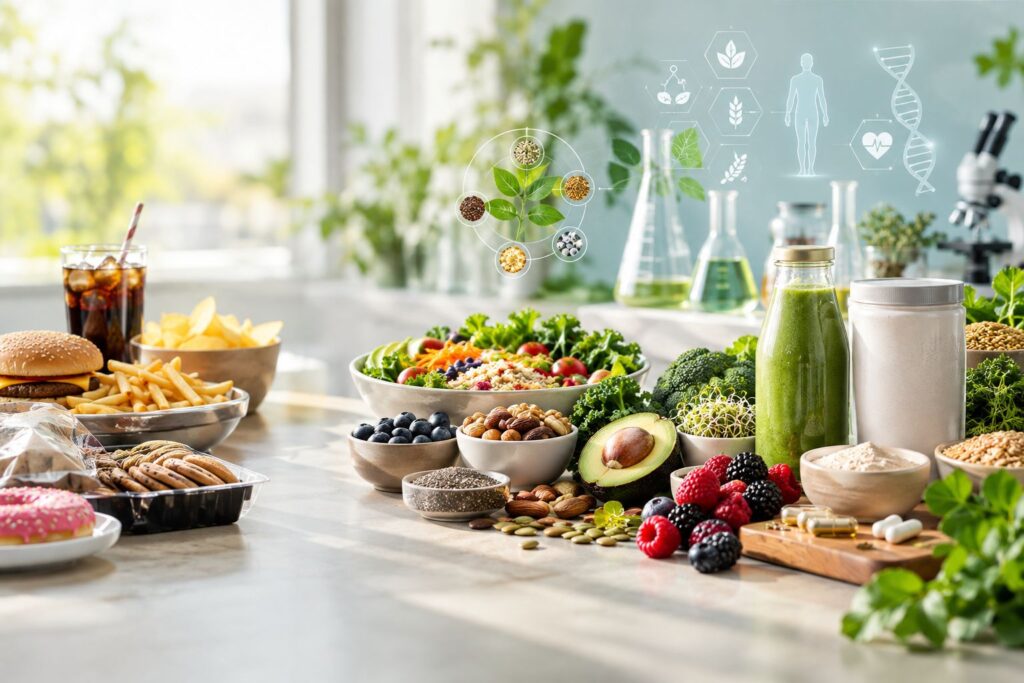
Health perception is shaping the food market as consumers prefer organic, clean-label, and functional foods with dynamic health benefits. Brands are adapting this through reformulation with clean-label offerings and transparent marketing strategies, while food consultants help businesses stay competitive in this evolving landscape. Introduction In today’s rapidly changing food marketplace, consumer attitudes are becoming ever more influenced by perceptions of health and wellness. Between plant-based foods and functional “superfoods”, brands are responding to demands from consumers who lead more health-conscious lifestyles. Engaging food consultants are guiding brands through the maze of consumer trends to ensure client brands can meet those expectations while still earning profits. Products developed 0 + Years experience 0 + Countries served 0 + Clients served 0 + The Rise of Health-Conscious Consumers Twenty-first-century shoppers are the smartest they’ve ever been. They’ve paid attention to ingredient lists and nutritional labels in ways previous generations may not have. There’s more consumer awareness now of the connection between diet and overall health. They’re out there wanting organic, non-GMO, gluten-free, high protein, and sugar-free foods. Current keywords being used by marketers are clean eating, natural ingredients, and immune-boosting foods. Impact on Product Development Food suppliers and manufacturers are reformulating foods to reduce sugar, sodium and artificial ingredients. There are tons of fortified foods with probiotics, vitamins, and plant proteins for consumers who pursue healthy products. Brands like Amul are changing the landscape of the processed food products l, while emerging brands like the whole truth Food are facilitating this change very rapidly. Food consultants are working with brands to leverage consumer insights and market data to create products that meet consumer sensitivity to taste, nutrition, and health trends. Marketing & Branding Strategies Effective marketing relies on consumer psychology. Brands are using digital to raise awareness of health benefits with search engine friendly terms like superfoods, antioxidants and gut health. Transparency about ingredient sourcing and sustainability also factor in greatly. Customers want assurance regarding nutritional benefits as well as moral issues. Conclusion The interplay of food trends and health perception is still driving new ideas and solutions in the food industry. Food consultants are still essential in helping brands to interpret consumer behavior, manage change, and shape their strategies in very competitive contexts. As the focus on wellness consumption continues to grow health-focused brands will remain relevant and be able to maximize profits.

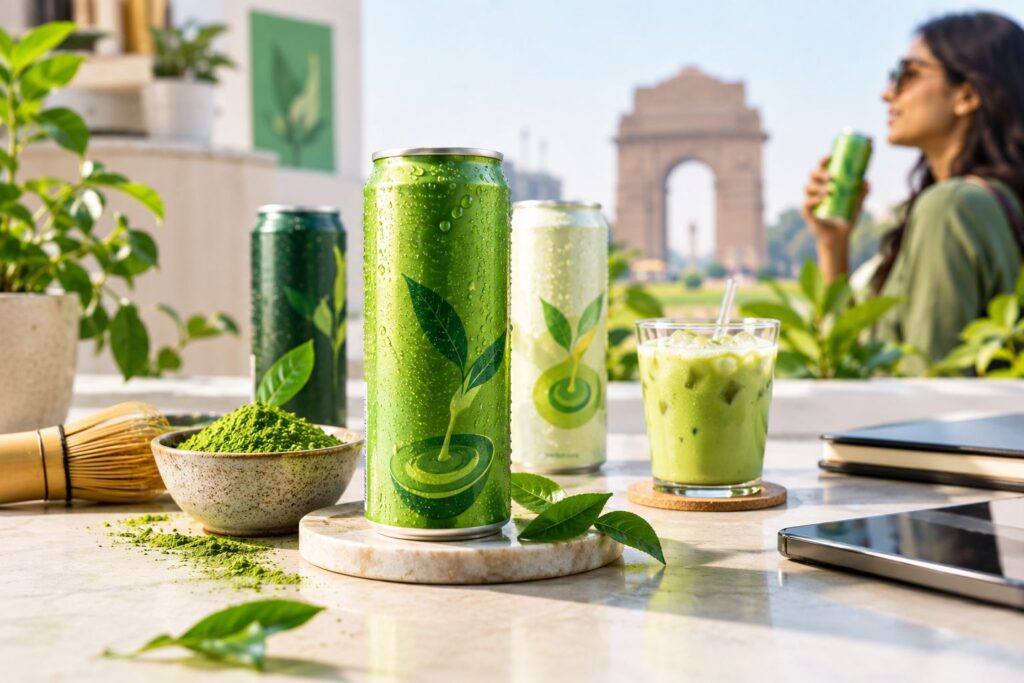
Canned matcha drinks reflecting the rising demand for matcha in India
FFCE

Canned Matcha and Its Rising Demand in India

Matcha is a celebrated beverage worldwide, which has originated from the roots of Japan, where it has been a traditional celebrated drink in the peninsula. In today’s world, as the ready to drink beverages are taking over, the health conscious customers are looking for alternate caffeine-free options that suit their palettes. Functional beverages, plant based shakes, and now matcha has taken over the major health drink segment, especially in India. It has now become crucial for emerging and existing players to follow up with the trend, and food consultants such as Frontline Food Consultants and Engineers (FFCE) are at the front of it to drive this change. What is canned Matcha Canned matcha is the ready to drink, premixed variant of the traditional matcha drink that is tailored to suit various customers. These drinks can be mixed and fused with other flavours as well, such as strawberry, raspberry, chocolate, and even coffee. Some of the variants may also include fortified versions, such as probiotics variants, and the ones loaded with vitamins and minerals. To ensure a long shelf life and microbiological safety, these are then sterilized and packaged in aluminium or composite metal cans. Products developed 0 + Years experience 0 + Countries served 0 + Clients served 0 + Technical Considerations in Manufacturing 1. Raw Material Selection Matcha Quality: Mostly, the most high quality matcha is considered that is directly sourced from Japan, however, the Indian counterparts are also equally of a good quality, and can be easily sourced at competitive price points. Particle Size: Ultra-fine milling (<5–10 microns) is important for suspension stability. Oxidation Sensitivity: Matcha is highly susceptible to oxidation, hence it becomes important to follow careful inert measures during its processing. 2. Formulation Difficulties Suspension Stability: Matcha tends to settle quickly. Homogenization under high-shear and natural stabilizer (pectin, acacia gum) use are essential. In order to make the variants low caloric, fruit extracts, stevia, steviol glycosides, monk fruit extract, etc can be used. This would also create space in the clean label market as well. 3. Thermal Processing Most canned matcha products undergo retort sterilization at 121°C for 15–20 minutes to achieve commercial sterility. HTST or UHT processing with aseptic filling can be used for advanced shelf-stable options, though they require higher capital investment. 4. Packaging Considerations Can Type: Composite metal cans with internal food-grade epoxy coating protect against corrosion and light. Oxygen Scavengers and nitrogen flushing are used to prevent oxidation. Labeling must highlight functional claims (e.g., “antioxidant-rich,” “L-theanine support”) while complying with FSSAI norms. Market Trends in India 1. Demand Driven by Health Increased sedentary behavior and lifestyle disorders have led consumers to turn to matcha and other natural energy enhancers. The L-theanine and EGCG found in matcha are being promoted as coffee substitutes for long-lasting mental clarity. 2. Urban Café Culture & Premiumization Availability of matcha-based drinks in Starbucks, Blue Tokai, and Third Wave Coffee has built brand awareness and taste familiarity. Startups and D2C brands are now introducing canned matcha lattes, sparkling matcha, and kombucha-infused matcha. 3. Export & Tourism Influence Matcha-savvy consumers returning from Japan, Korea, and the US are creating a niche but growing domestic market. Prospects for Manufacturers’ Growth a. Domestic Niche Retail a. Perfect for high-end chains with wellness sections like Apollo Pharmacy, Foodhall, and Nature’s Basket. b. D2C and e-commerce Adoption can be accelerated by targeted campaigns through the vegan marketplaces, Nykaa, HealthKart, and Amazon. c. Clean Label Innovation Positioning with no preservatives, no added sugar, and plant-based claims will cater to India’s conscious Gen Z. Challenges & Mitigation Strategies Challenge Strategy Sedimentation of matcha High-shear emulsification + natural gums Limited cold-chain infrastructure Use of retort/UHT technology for shelf-stable cans Price sensitivity Launch 180–200 ml SKU for ₹99–120 targeting metro audiences Regulatory hurdles FSSAI compliance on antioxidant/energy claims via scientific substantiation

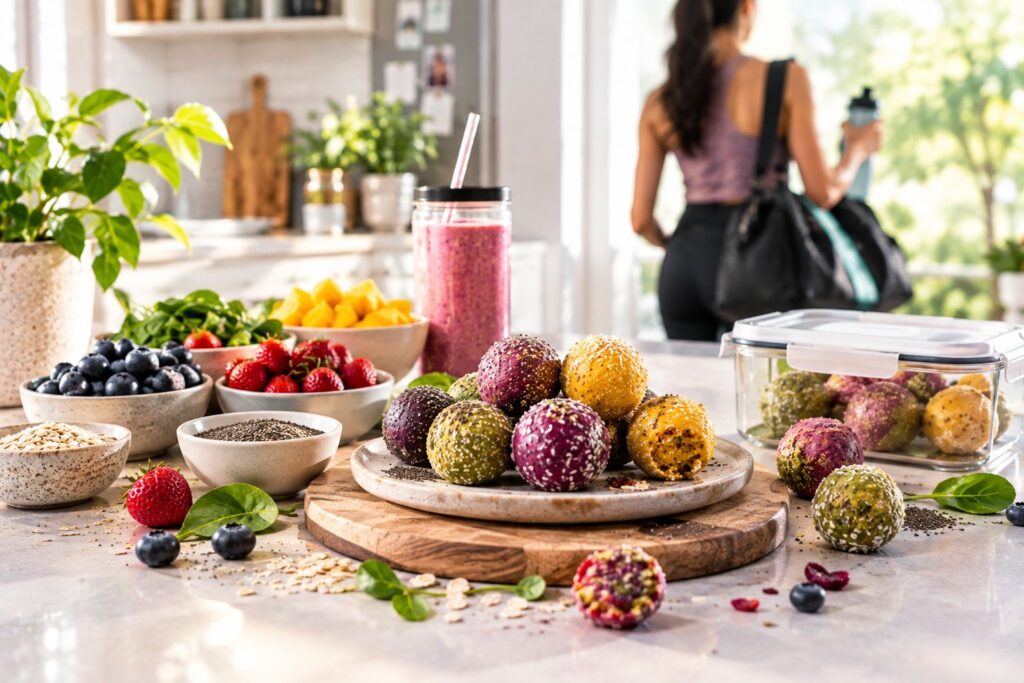
Smoothie bombs packed with healthy ingredients for quick nutrition on the go
FFCE

Smoothie Bombs

In today’s world where we are exposed to hazardous and toxic air and water, it has become crucial to maintain a healthy diet. However, with a fast-paced life where time is little, healthy food preparations seem very tiresome. In order to tackle the shackles of this gruesome reality, the idea of smoothie bombs perfectly fits in the busy calendars of many. All you have to do is blend a smoothie bomb, and Voila! A healthy drink packed with essential nutrients gets ready in no time. What is a Smoothie Bomb A smoothie bomb is a compressed block of healthy ingredients such as nuts, seeds, protein powders. etc which provide essential nutrients to a basic smoothie base. It can be added to any liquid, fruit or protein preparation to transform it to a balanced meal.   Smoothie Bombs are becoming highly popular amongst youngsters, middle aged people, gym goers, and are even recommended for geriatric nutrition. Health Benefits The health benefits that these bombs would provide depends on the ingredients incorporated. However, here is the list of all the benefits that smoothie bombs can provide: Aids in weight management: Since the preparation of this product focuses on low carbohydrates and high protein, these can help people on a weight loss diet, and also to those who want to manage a healthy weight. Boosts gut health: Gut friendly ingredients such as fiber facilitate the growth of gut friendly microorganisms. This in turn keeps the bowels in check. Keeps the body active: Amino acids in the high protein content support muscle repair and energy equilibrium—particularly helpful after exercise or after long work hours. Market Size The current market size of smoothie bombs is 664 million US dollars, and it is expected to grow more in the coming years. Smoothie Bombs in India Although smoothie bombs are gaining a high popularity in India, the current products available in the India market are expensive, and their availability is scarce. New as well as the existing wellness brands can tap into this market and food consultants like the Frontline Food Consultants and Engineers (FFCE) facilitate with the formulation, planning, plant setup, and other requirements. Protein rich smoothie bombs can be one such interesting idea to advertise these goodies. Loaded with nature’s goodness in a cube, protein bombs serve to be a stepping stone for wellness products that can be taken to a whole new level, and India serves as the perfect growth market for the same. With the help of food consultants and the right guidance, a strong product can be built, that provides the extra dose of supplements in the haywire world.  

Scroll to Top

Your Trusted Food-Tech Partner Simplifying Solutions, Maximising Success

    Your idea is 100% protected by our Non Disclosure Agreement

    What is Refresh icon

    Your Trusted Food-Tech Partner Simplifying Solutions, Maximising Success

      Your idea is 100% protected by our Non Disclosure Agreement

      What is Refresh icon

      Your Trusted Food-Tech Partner Simplifying Solutions, Maximising Success

        Your idea is 100% protected by our Non Disclosure Agreement

        What is Refresh icon

        Powering your food business forward